

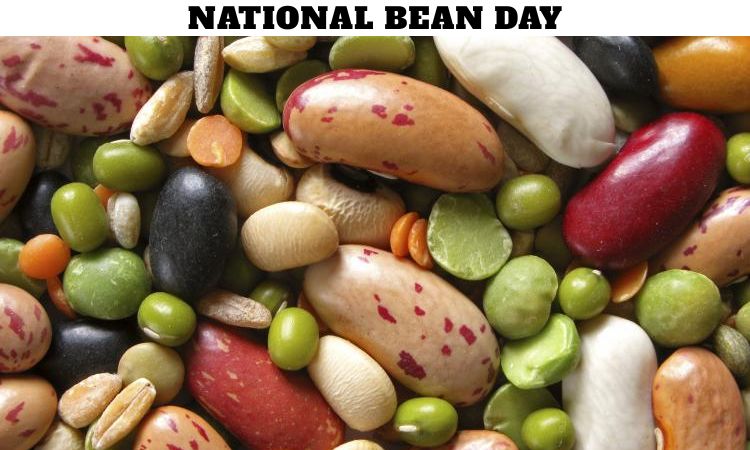
National Bean Day on January 6 is a celebration of one of the most versatile, nutritious, and widely consumed foods in the world. Beans have nourished civilizations for thousands of years, serving as a dietary staple, an agricultural cornerstone, and a symbol of sustainability. On this day, we acknowledge the significant role beans play in promoting health, supporting food security, and contributing to environmental sustainability.
National Bean Day is more than a culinary observance; it is a reminder of how simple, plant-based foods can have a profound impact on global nutrition and ecological balance.
The History and Purpose of National Bean Day
National Bean Day, observed on January 6, honors Gregory “Bean” Day, a radio personality whose nickname inspired the observance. Over time, the day evolved into a broader celebration of beans in all their forms. From ancient farming communities to modern kitchens, beans have remained a vital food source due to their affordability, long shelf life, and exceptional nutritional profile.
This day highlights the importance of beans as a global food staple and encourages people to incorporate more legumes into their daily diets.
Why Beans Matter in Global Nutrition?
Beans play a critical role in addressing nutritional needs across the world. They are especially important in regions where access to animal protein is limited. National Bean Day draws attention to the fact that beans are an accessible, nutrient-dense food capable of supporting healthy populations.
Key Nutritional Benefits of Beans
High-quality plant-based protein
Rich in dietary fiber
Abundant in iron, magnesium, potassium, and folate
Naturally low in fat and cholesterol-free
Regular consumption of beans supports heart health, digestive function, blood sugar control, and overall well-being.
Types of Beans Celebrated on National Bean Day
National Bean Day celebrates the incredible diversity of beans consumed around the world. Each variety offers unique flavors, textures, and culinary uses.
Commonly Loved Bean Varieties
Black beans – Popular in Latin American cuisine
Kidney beans – Essential in stews and chili
Chickpeas (garbanzo beans) – Used in hummus and curries
Lentils – A staple in South Asian and Middle Eastern diets
Navy beans – Common in soups and baked dishes
Pinto beans – Frequently used in Mexican and Southwestern foods
This diversity makes beans adaptable to countless cultural dishes and dietary preferences.
Beans in Ancient Civilizations
Beans have been cultivated for over 7,000 years, making them one of humanity’s oldest food sources. Archaeological evidence shows that beans were a major component of diets in ancient civilizations such as:
The Incas and Aztecs, who relied on beans alongside corn and squash
Ancient Egyptians, who valued legumes for sustenance
Asian cultures, where soybeans became foundational
National Bean Day on January 6 recognizes this long-standing relationship between humans and legumes, emphasizing their enduring relevance.
Environmental Benefits of Beans
Beans are not only good for human health but also for the planet. National Bean Day highlights beans as a sustainable food choice that supports environmental conservation.
How Beans Support Sustainability?
Require less water compared to animal protein sources
Improve soil fertility through nitrogen fixation
Produce lower greenhouse gas emissions
Support crop rotation and biodiversity
By choosing beans, individuals contribute to sustainable agriculture and climate-conscious eating habits.
Beans and Food Security
Food security remains a global challenge, and beans play a vital role in addressing it. National Bean Day emphasizes beans as a reliable, affordable food that can be grown in diverse climates.
Beans are easy to store, transport, and prepare, making them an essential resource during food shortages and humanitarian crises. Their long shelf life and high nutritional value make them ideal for feeding growing populations.
Health Benefits of Eating Beans Regularly
National Bean Day on January 6 encourages people to embrace beans as part of a balanced diet. Numerous studies support the health benefits of regular bean consumption.
Major Health Advantages
Improved heart health by lowering bad cholesterol
Better blood sugar control for people with diabetes
Weight management due to high satiety and fiber content
Digestive health is supported by prebiotic fibers
Beans contribute to long-term wellness and disease prevention when consumed consistently.
Beans in Global Cuisines
Beans are deeply embedded in culinary traditions worldwide. National Bean Day celebrates its universal appeal and adaptability.
Beans Around the World
India: Lentil-based dals and curries
Mexico: Refried beans and black bean dishes
Italy: Bean soups and stews
Middle East: Chickpeas in hummus and falafel
Africa: Bean stews and porridges
These dishes reflect how beans transcend borders, uniting cultures through food.
National Bean Day and Plant-Based Diets
As interest in plant-based diets grows, beans have gained renewed attention. National Bean Day underscores their role as a cornerstone of vegetarian and vegan nutrition.
Beans provide essential amino acids, making them an effective alternative to meat when paired with whole grains. They also align with ethical and environmental values, reinforcing their importance in modern dietary trends.
Cooking and Enjoying Beans at Home
National Bean Day is an excellent opportunity to explore creative ways to enjoy beans. From soups and salads to spreads and main courses, beans are incredibly versatile.
Popular Ways to Prepare Beans
Slow-cooked stews
Protein-rich salads
Hearty soups
Bean-based dips and spreads
Baked and roasted dishes
Cooking beans at home is economical and allows for endless customization with herbs, spices, and vegetables.
Educational and Community Initiatives
On National Bean Day, schools, nutrition programs, and community organizations often promote bean-based meals and educational initiatives. These efforts help raise awareness about healthy eating, sustainable agriculture, and cultural food traditions.
Such initiatives empower individuals to make informed dietary choices while appreciating the broader impact of food systems.
The Cultural Symbolism of Beans
Beans have also carried symbolic meaning throughout history. In various cultures, they represent life, growth, resilience, and prosperity. Their ability to thrive in challenging conditions mirrors human perseverance and adaptability.
National Bean Day honors this symbolism, reminding us of the strength found in simplicity.
Conclusion: Why National Bean Day on January 6 Matters
National Bean Day celebrates a humble yet extraordinary food that nourishes bodies, supports economies, and protects the environment. Beans stand at the intersection of nutrition, sustainability, and cultural heritage, making them one of the most important foods in the world.