

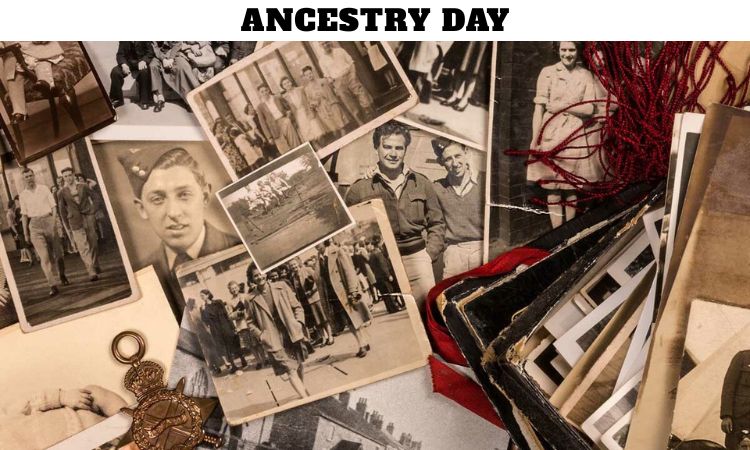
Ancestry Day, celebrated every year on January 2, is a meaningful occasion dedicated to honoring our roots, understanding our lineage, and appreciating the generations that came before us. As the New Year begins, this day encourages reflection on where we come from, how our ancestors shaped our identities, and why preserving family history is essential for future generations.
In a fast-moving world where technology often distances us from tradition, Ancestry Day offers a powerful reminder of the importance of connection, heritage, and shared human history. It is a day to look backward with respect while moving forward with awareness and pride.
The Meaning and Purpose of Ancestry Day
Ancestry Day is about recognizing the lives, struggles, achievements, and cultures of those who came before us. Every individual is part of a long and interconnected story shaped by ancestors whose choices, values, and experiences influence present generations.
This observance encourages people to:
Explore family history
Preserve cultural traditions
Honor ancestors’ contributions
Strengthen identity and belonging
By reflecting on ancestry, individuals gain a deeper understanding of who they are and how their heritage shapes their worldview.
Why Ancestry Day Is Celebrated on January 2?
January 2 symbolizes continuity and reflection. Following the celebrations of the New Year, this day offers a quieter moment to look inward and backward. While January 1 marks new beginnings, Ancestry Day invites reflection on the foundations that make new beginnings possible.
This timing encourages balance—acknowledging the past while embracing the future. It reinforces the idea that progress is rooted in understanding where we come from.
The Importance of Knowing Your Ancestry
Understanding ancestry provides insight into cultural traditions, family values, and historical experiences. It fosters a sense of identity and belonging that can strengthen emotional well-being and self-awareness.
Knowing one’s ancestry can:
Build a stronger sense of self
Enhance cultural appreciation
Strengthen family connections
Promote empathy and understanding
Ancestry Day reminds us that identity is not created in isolation but shaped through generations of lived experiences.
Ancestry and Cultural Identity
Culture is deeply connected to ancestry. Language, customs, food, rituals, and beliefs are often passed down through generations. Celebrating Ancestry Day allows individuals to reconnect with cultural roots that may have faded over time.
This celebration helps preserve traditions and encourages cultural pride, especially in multicultural societies where heritage can easily be overlooked or forgotten.
The Role of Storytelling in Preserving Ancestry
Storytelling plays a vital role in preserving ancestry. Family stories, oral histories, and shared memories keep traditions alive and help younger generations understand their roots.
On Ancestry Day, families often gather to share stories about ancestors, recounting their struggles, triumphs, and values. These stories become living links between the past and the present.
Exploring Family History Through Research
Modern technology has made exploring ancestry more accessible than ever. Genealogical records, historical archives, and DNA testing tools allow individuals to trace their lineage and discover connections across generations.
Researching family history on Ancestry Day can reveal:
Migration patterns
Cultural influences
Historical events affecting ancestors
Long-lost family connections
This process fosters curiosity and appreciation for the complexity of human history.
The Emotional Impact of Understanding Ancestry
Learning about one’s ancestry can be deeply emotional. It often brings pride, gratitude, and sometimes healing. Understanding the challenges ancestors faced can inspire resilience and appreciation for present opportunities.
Ancestry Day offers space for reflection, allowing individuals to honor sacrifices made by previous generations and draw strength from their perseverance.
Celebrating Ancestry Day as a Family
Families can celebrate Ancestry Day in meaningful ways that strengthen bonds and create lasting memories. Activities may include:
Sharing old photographs and documents
Cooking traditional family recipes
Creating a family tree
Visiting ancestral hometowns or landmarks
Recording oral histories
These activities foster connection across generations and ensure that family stories continue to be shared.
Ancestry Day in a Global Context
Ancestry is a universal concept that transcends borders. Every culture values its roots and traditions. Ancestry Day encourages global appreciation for diversity and shared humanity.
By learning about different cultures and histories, people develop greater empathy and understanding, strengthening global unity.
Preserving Heritage in a Modern World
In an era of rapid change, preserving heritage has become increasingly important. Modern lifestyles often distance individuals from traditional practices, making intentional preservation essential.
Ancestry Day serves as a reminder to protect cultural heritage through:
Education
Storytelling
Community engagement
Documentation
These efforts ensure that future generations remain connected to their origins.
Teaching Younger Generations About Ancestry
Educating children about their heritage helps build confidence and identity. When young people understand their roots, they gain a stronger sense of belonging and purpose.
Activities such as family storytelling, cultural celebrations, and history projects make Ancestry Day meaningful for younger generations.
Ancestry and Personal Growth
Understanding ancestry often leads to personal growth. Learning about ancestors’ resilience, sacrifices, and values can inspire individuals to overcome challenges and appreciate life more deeply.
Ancestry Day encourages reflection on how the past shapes present choices and future aspirations.
The Role of Ancestry in Identity Formation
Identity is shaped by history, culture, and family influence. Recognizing ancestral roots helps individuals form a more complete and authentic sense of self.
By celebrating Ancestry Day, people honor the interconnectedness of generations and the shared experiences that define humanity.
Why Ancestry Day Matters Today?
In a rapidly evolving world, understanding where we come from provides stability and perspective. Ancestry Day serves as a grounding reminder that progress is built on the foundations laid by previous generations.
This observance encourages reflection, gratitude, and respect—values that strengthen individuals and communities alike.
How to Observe Ancestry Day Meaningfully?
Observing Ancestry Day can be simple yet impactful. Meaningful actions include:
Reflecting on personal heritage
Reconnecting with relatives
Documenting family stories
Learning about ancestral cultures
These efforts help preserve history and deepen personal connections.
Ancestry Day as a Celebration of Humanity
At its core, Ancestry Day celebrates humanity’s shared journey. Despite differences in culture, language, or geography, all people are connected through lineage and shared human experience.
This day fosters unity, compassion, and respect across generations and cultures.
Conclusion: Honoring the Past, Shaping the Future
Ancestry Day – January 2 is a meaningful opportunity to reflect on our roots, honor our ancestors, and celebrate the stories that shaped us. By understanding where we come from, we gain clarity about who we are and where we are going.