

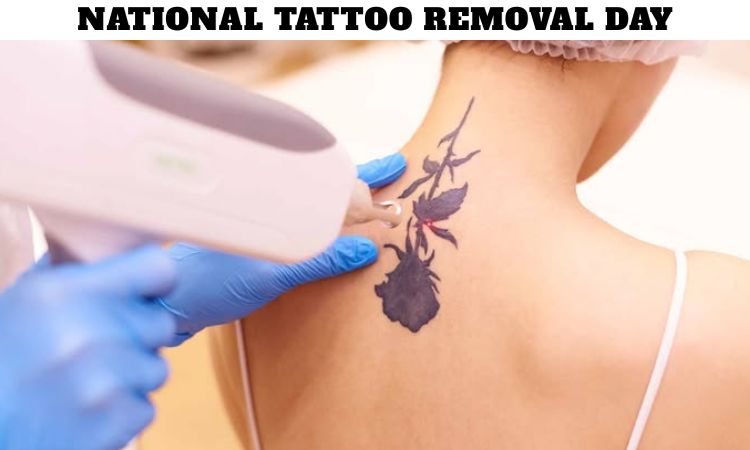
National Tattoo Removal Day, observed annually on August 14, highlights the growing importance of tattoo removal awareness and the freedom people have to change their appearance when their tattoos no longer represent who they are. Tattoos can carry memories, relationships, artistic expression, cultural meaning, or personal milestones. However, circumstances can change, and a design that once felt meaningful may eventually become unwanted.
This day provides an opportunity to discuss tattoo removal, the technology behind modern treatments, realistic expectations, skin care, and the emotional reasons people decide to remove or fade tattoos. It also encourages people to make informed decisions rather than relying on myths or unrealistic promises.
What Is National Tattoo Removal Day?
National Tattoo Removal Day is a day dedicated to increasing awareness about tattoo removal and tattoo fading. It recognizes that people can change their minds about permanent body art and explores the options available to individuals who want to alter or remove unwanted tattoos.
The observance also draws attention to advances in tattoo-removal technology. Modern laser systems have made it possible to target tattoo pigments more precisely than older techniques, although results vary considerably from person to person.
For many people, tattoo removal is not simply a cosmetic procedure. It can represent a new beginning, a change in identity, the end of a relationship, a career-related decision, or the desire to replace an old tattoo with new artwork.
Why Is National Tattoo Removal Day Celebrated on August 14?
August 14 serves as an opportunity to bring attention to an issue that is increasingly relevant in a world where tattoos have become mainstream. As more people get tattoos, more individuals also eventually consider tattoo removal or tattoo fading.
The day encourages conversations about realistic treatment expectations, professional consultation, skin health, and responsible decision-making.
Rather than viewing tattoo removal as something unusual, National Tattoo Removal Day recognizes that personal preferences evolve. A tattoo may have represented an important moment years ago but may not fit someone’s life today.
Why Do People Choose to Remove Tattoos?
There are many reasons someone may decide to remove a tattoo. The decision is highly personal, and there is no single explanation that applies to everyone.
Changing Personal Preferences
A person’s style can change significantly over time. A tattoo that looked attractive at one stage of life may no longer match their current personality, interests, or appearance.
Relationship Changes
Names, initials, portraits, and symbols associated with former relationships are common reasons people seek tattoo removal. Removing or fading such tattoos can help someone move forward after a major life change.
Career Considerations
Although attitudes toward tattoos have become more accepting, some workplaces and professions may still have restrictions concerning visible tattoos. People may therefore consider removal or fading when pursuing a new career opportunity.
Poor-Quality or Unwanted Tattoos
Some tattoos may not turn out as expected. Problems with design, placement, size, color, or execution can make someone consider removal.
Preparing for a Cover-Up
Complete removal is not always the goal. Laser tattoo fading can reduce the intensity of an existing tattoo, making it easier for an artist to create a successful cover-up.
Personal Growth
People change. A tattoo can represent an earlier stage of life, and removing it may symbolize a transition into a different chapter.
How Does Laser Tattoo Removal Work?
Laser tattoo removal works by directing specialized laser energy toward tattoo pigments in the skin. The energy is absorbed by the pigment, causing the ink particles to break into smaller fragments.
The body’s natural processes can then gradually remove these fragmented particles.
Different tattoo colors respond differently to laser wavelengths. Black ink often responds well because it absorbs a broad range of laser energy, while certain lighter colors can be more challenging to treat.
Treatment plans therefore depend on factors such as:
- Ink color
- Tattoo size
- Ink depth
- Tattoo age
- Skin type
- Tattoo location
- Ink composition
- Previous treatments
- Individual healing response
Because these factors vary, there is no universal number of sessions that guarantees complete removal.
How Many Tattoo Removal Sessions Are Needed?
One of the most important things to understand about tattoo removal is that it usually requires multiple treatment sessions.
The number of sessions depends on the individual tattoo and how the person’s skin responds to treatment. Some tattoos may fade significantly after several sessions, while others can require many treatments.
There is also typically a recovery period between treatments. Allowing the skin adequate time to heal is an important part of the process.
A qualified professional can evaluate the tattoo and provide a more personalized estimate after examining the skin and ink.
Can Every Tattoo Be Completely Removed?
Not every tattoo can be guaranteed to disappear completely.
Modern technology can produce substantial fading, but outcomes depend on numerous variables. Some pigments respond more effectively than others, and certain tattoos may leave behind faint traces of pigment or changes in skin appearance.
The most responsible approach is to consider tattoo removal as a gradual process rather than an instant solution.
A professional assessment can help establish realistic expectations before treatment begins.
Does Tattoo Removal Hurt?
Tattoo removal can cause discomfort, although the experience differs between individuals.
Many people describe the sensation as a series of quick snaps or a sharp stinging feeling. The size and location of the tattoo can influence how uncomfortable the treatment feels.
Professionals may use appropriate methods to improve patient comfort during treatment. Patients should discuss discomfort and available options during their consultation.
What Happens After a Tattoo Removal Treatment?
After treatment, the skin may temporarily appear red, swollen, sensitive, or irritated. The treated area needs appropriate aftercare while it heals.
Following professional aftercare instructions is important. Patients may be advised to:
- Keep the area clean.
- Protect the treated skin from excessive sun exposure.
- Avoid picking or scratching the area.
- Follow wound-care instructions carefully.
- Use recommended skin-care products.
- Allow the skin to heal before additional treatment.
Individual aftercare requirements can vary, so professional instructions should take priority.
What Factors Affect Tattoo Removal Results?
Several factors influence how successfully a tattoo responds to removal treatment.
- Ink color is one of the most important considerations. Dark pigments can often respond differently from lighter shades.
- Tattoo location can also matter because circulation and other biological factors may influence how efficiently fragmented pigment is processed.
- Ink density is another consideration. A heavily saturated tattoo can require more treatment than a lightly applied design.
- Tattoo age may also influence its appearance and response. Older tattoos have often naturally faded to some extent.
Finally, individual biology plays an important role. Two people with similar tattoos may experience different results.
Is Tattoo Removal Safe?
Tattoo removal should be performed by an appropriately qualified professional using suitable equipment and proper safety procedures.
Potential side effects can include temporary redness, swelling, skin sensitivity, pigment changes, blistering, or other skin reactions. In some cases, scarring or persistent pigmentation changes may occur.
A consultation is therefore important before treatment. The professional should assess the tattoo, skin, medical history relevant to the procedure, and potential risks.
People should be cautious about treatments that promise guaranteed complete removal, instant results, or zero risk.
How Can People Observe National Tattoo Removal Day?
National Tattoo Removal Day can be observed in several meaningful ways.
Learn About Tattoo Removal
People considering removal can use the day to learn about modern treatment approaches, realistic timelines, potential risks, and aftercare.
Schedule a Professional Consultation
Anyone seriously considering removal can arrange a consultation with a qualified tattoo-removal professional to discuss their individual tattoo.
Share Accurate Information
Tattoo removal is frequently surrounded by myths. Sharing reliable information can help people understand that the process is usually gradual and that results vary.
Discuss Cover-Up Options
Some people may not need complete removal. Fading a tattoo may provide an opportunity for a new design.
Support Personal Choices
National Tattoo Removal Day is also about recognizing personal autonomy. Whether someone chooses to keep, modify, fade, or remove a tattoo, the decision belongs to them.
What Should You Consider Before Removing a Tattoo?
Before beginning treatment, people should consider the financial cost, treatment timeline, possible side effects, expected results, and recovery requirements.
It is also worth thinking carefully about whether complete removal is actually necessary. In some cases, tattoo modification or cover-up may provide a better solution.
A professional consultation can help determine which approach is most appropriate.
People should also avoid making decisions based solely on social-media photographs or before-and-after images. Individual results can vary substantially.
Why Does Tattoo Removal Matter Today?
Tattoo removal has become increasingly relevant as tattoos have become more common. The cultural perception of tattoos continues to evolve, but people’s circumstances and preferences evolve as well.
The important message behind tattoo removal awareness is that a permanent tattoo does not have to define a person permanently.
Advances in technology have created more options for people who want to reduce the appearance of unwanted ink. At the same time, responsible treatment requires patience, realistic expectations, professional guidance, and proper skin care.
National Tattoo Removal Day provides an opportunity to recognize these developments while encouraging people to make informed choices about their bodies.
What Is the Main Message of National Tattoo Removal Day?
The central message is simple: people can change their minds.
A tattoo can be meaningful for one period of life and unwanted during another. Modern tattoo-removal techniques offer ways to reduce or remove unwanted ink, although results are not guaranteed and treatment can take time.
August 14 can therefore serve as a reminder that personal choices, identities, relationships, careers, and preferences can evolve.
Whether someone is considering complete removal, partial fading, or a cover-up, understanding the available options is the first step toward making an informed decision.
Frequently Asked Questions (FAQs)
1. When is National Tattoo Removal Day?
National Tattoo Removal Day is observed on August 14 each year.
2. What is National Tattoo Removal Day about?
It raises awareness about tattoo removal, modern treatment options, realistic expectations, and the reasons people may choose to remove unwanted tattoos.
3. Why do people remove tattoos?
People may remove tattoos because of changing preferences, relationships, career considerations, poor-quality artwork, personal growth, or a desire to prepare the skin for a cover-up.
4. Is tattoo removal permanent?
Tattoo removal can significantly reduce or eliminate the appearance of some tattoos, but complete removal cannot be guaranteed for every tattoo.
5. How does laser tattoo removal work?
Laser treatment uses targeted energy to break tattoo pigment into smaller particles, which the body gradually processes.
6. How many sessions does tattoo removal require?
The number of sessions varies according to tattoo size, color, ink density, location, skin characteristics, and individual response to treatment.
7. Does tattoo removal hurt?
Tattoo removal can cause discomfort, often described as quick snapping or stinging sensations. The experience varies depending on the person and tattoo location.
8. Can all tattoo colors be removed?
Different colors respond differently to laser treatment. Some pigments can be more difficult to treat than others.
9. Can tattoo removal be used before a cover-up?
Yes. Tattoo fading can sometimes make an existing design less prominent and provide a better foundation for a cover-up tattoo.
10. What should I do before starting tattoo removal?
A professional consultation is recommended. The tattoo and skin should be assessed, and potential results, risks, treatment schedules, and aftercare should be discussed.