

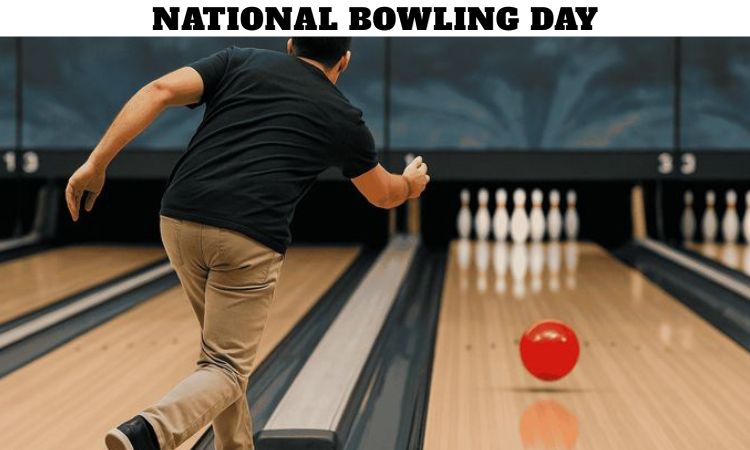
What Is National Bowling Day and Why Do We Celebrate It on August 9?
National Bowling Day is celebrated annually on August 9 as a day dedicated to one of the world’s most recognizable recreational and competitive sports. Bowling brings people together through friendly competition, entertainment, teamwork, and skill. Whether we enjoy an occasional game with friends, participate in organized leagues, or compete at a professional level, the sport offers an accessible way for people of different ages and abilities to spend time together.
The appeal of bowling comes from its simple objective: roll a ball down a lane and knock down as many pins as possible. Yet behind this straightforward concept is a sport that combines concentration, coordination, technique, strategy, and consistency. National Bowling Day gives us an opportunity to appreciate this combination while encouraging more people to discover the enjoyment of bowling.
On August 9, bowling centers, bowling organizations, families, friends, schools, community groups, and sports enthusiasts can use the occasion to participate in games and activities connected with the sport. We can celebrate by visiting a local bowling center, learning proper bowling techniques, organizing a friendly competition, or simply enjoying a casual game.
National Bowling Day also highlights the social side of bowling. Unlike many sports that require extensive physical preparation or specialized facilities, bowling can be enjoyed by beginners almost immediately. A person can walk into a bowling center, select an appropriate ball, put on bowling shoes, and participate without needing years of training.
How Did Bowling Become Such a Popular Sport?
Bowling has a remarkably long history, with forms of pin-based games appearing in different civilizations centuries ago. Archaeological discoveries have suggested that ancient cultures played games involving balls and objects that players attempted to knock down. Although these early games were very different from modern ten-pin bowling, they demonstrate the enduring appeal of rolling an object toward a target.
Over time, bowling developed into different forms across Europe and North America. Various versions used different numbers of pins, lane arrangements, balls, and scoring systems. Eventually, standardized forms of bowling became increasingly popular, helping establish the modern sport we recognize today.
In the United States, ten-pin bowling became particularly influential. Bowling centers began appearing in communities, and organized leagues helped transform bowling from a casual pastime into a structured competitive activity. Standardized rules and equipment allowed players from different locations to compete under similar conditions.
The growth of professional bowling further increased the sport’s visibility. Professional tournaments, televised competitions, bowling leagues, and championship events introduced skilled bowlers to wider audiences. At the same time, recreational bowling centers continued to attract families, students, coworkers, and groups of friends.
National Bowling Day provides an opportunity to recognize this long evolution. What began in various forms as simple target games eventually became an organized sport enjoyed by millions of people around the world.
What Makes Bowling Different From Other Sports?
Bowling combines physical movement with precision and mental concentration. A successful delivery requires more than simply throwing a ball toward the pins. Bowlers must consider their stance, approach, timing, arm swing, release, ball speed, rotation, lane conditions, and target.
The sport is also unusually adaptable. We can participate casually or competitively depending on our interests. A beginner might focus entirely on knocking down pins and having fun, while an experienced bowler may analyze lane oil patterns, ball motion, release techniques, and spare conversions.
Another important characteristic is accessibility. Bowling does not necessarily require exceptional athletic ability to enjoy. People can select equipment appropriate to their physical capabilities, and many bowling centers provide lightweight balls, ramps, bumpers, and other options that make the game more accessible.
Bowling is also a social sport. A typical game allows several people to take turns, talk, encourage each other, and celebrate successful shots. This makes it particularly suitable for birthdays, family gatherings, school activities, workplace events, and community celebrations.
How Can We Celebrate National Bowling Day on August 9?
The easiest way to celebrate National Bowling Day is to go bowling. We can gather family members, friends, colleagues, or classmates and spend a few hours at a bowling center. The objective does not have to be winning. For many people, the greatest value comes from enjoying the experience together.
We can also organize a themed bowling competition. Instead of concentrating only on the final score, we might create awards for the most impressive spare, best comeback, most consistent player, or funniest bowling moment. These informal categories can make the day enjoyable for players of different skill levels.
Another idea is to introduce someone to bowling for the first time. National Bowling Day is an excellent opportunity to invite a friend or family member who has never played. We can explain the basic rules, help them choose an appropriate ball, and encourage them to focus on learning rather than achieving a high score.
Families can make the occasion especially memorable by organizing a friendly family tournament. Children and adults can participate together, with suitable bowling balls and optional bumpers for younger players. The emphasis can remain on participation and enjoyment rather than competition.
We can also celebrate by learning more about bowling history, famous players, major tournaments, bowling equipment, and scoring techniques. Watching a professional bowling competition can provide inspiration and help beginners understand how experienced bowlers approach the game.
What Are the Basic Rules of Bowling?
Modern ten-pin bowling generally consists of ten frames. During most frames, a bowler gets up to two deliveries to knock down ten pins. If all ten pins are knocked down with the first delivery, the result is called a strike.
If a bowler knocks down all remaining pins with the second delivery, the result is a spare. When neither delivery knocks down all ten pins, the player records the number of pins knocked down during that frame.
The tenth frame has special scoring provisions. A bowler who rolls a strike or spare in the tenth frame receives additional delivery opportunities, allowing the final frame to incorporate bonus rolls.
A perfect game consists of 12 consecutive strikes, resulting in a score of 300. Achieving a perfect game requires exceptional consistency and is one of the most recognized accomplishments in bowling.
Why Is Bowling Good for Social Activities?
Bowling naturally encourages interaction. Players take turns rather than competing simultaneously, creating opportunities to communicate and support one another throughout the game. This makes bowling suitable for groups where participants have different athletic abilities and experience levels.
For families, bowling can create an opportunity for parents and children to participate in the same activity. For friends, it offers a relaxed alternative to activities centered around sitting and talking. For workplaces, bowling events can encourage informal interaction between colleagues.
National Bowling Day can therefore become more than a sports celebration. It can be an occasion for strengthening relationships, creating memories, and introducing people to an activity they can continue enjoying throughout the year.
What Are Some Interesting Bowling Facts?
Bowling has numerous interesting facts that make National Bowling Day even more engaging. A standard ten-pin bowling setup uses ten pins arranged in a triangular formation. The pins are positioned so that the first pin stands at the front, while the remaining pins form successive rows behind it.
A standard bowling ball has three finger holes, although specialized equipment can be drilled according to an individual bowler’s hand. Bowling balls are available in different weights and constructions, allowing players to select equipment suited to their technique and physical strength.
The 300 game remains one of bowling’s most prestigious achievements. While professional bowlers and highly experienced league players may occasionally achieve it, a perfect game remains difficult because every delivery must be successful.
Bowling lanes are also carefully maintained. Lane conditions can influence how a ball travels, and competitive bowlers learn to adjust their strategy based on how their ball reacts to the lane.
How Can Beginners Improve Their Bowling Skills?
Beginners can improve by developing a consistent approach rather than trying to throw the ball as hard as possible. Accuracy is generally more valuable than raw power. Learning where to stand, where to aim, and how to release the ball can produce significant improvements.
We can start by choosing a comfortable ball that is neither too heavy nor too light. A proper grip allows better control and reduces unnecessary strain. Beginners should also work on maintaining a balanced finishing position after releasing the ball.
Another important skill is learning to pick up spares. While strikes are exciting, consistent spare shooting can make a major difference to the final score. Instead of focusing exclusively on knocking down all ten pins at once, beginners can learn how to target specific pin combinations.
Practice is another essential factor. Regular bowling sessions allow players to become familiar with their approach, release, and ball reaction. Over time, small adjustments can produce greater consistency.
What Should We Do on National Bowling Day With Children?
National Bowling Day can be an enjoyable family activity when children are given an appropriate introduction to the sport. We can choose a bowling center that offers family-friendly facilities and allow children to select a lightweight ball that they can control comfortably.
Many bowling centers provide bumper lanes, which prevent balls from entering the gutters. This can make the experience more rewarding for younger players because they have more opportunities to knock down pins.
Instead of emphasizing scores, parents can encourage children to focus on learning and having fun. Simple challenges, such as knocking down five pins or hitting a particular area of the pin formation, can make the game exciting.
A small family tournament can also add an element of friendly competition. Everyone can receive recognition for something, ensuring that the celebration remains positive and inclusive.
Why Should We Participate in National Bowling Day?
National Bowling Day gives us a simple reason to step away from our regular routines and participate in a recreational activity. Bowling combines entertainment, movement, concentration, and social interaction in a way that makes it suitable for a wide range of participants.
We can celebrate the day whether we are experienced bowlers or complete beginners. There is no requirement to achieve a particular score or compete at a professional level. The central idea is to appreciate bowling and encourage participation.
August 9 can be the perfect occasion to rediscover bowling. We can visit a local bowling center, organize a group event, introduce someone to the sport, or simply learn more about its history and traditions.
National Bowling Day ultimately reminds us that sports do not always have to be complicated to be meaningful. A bowling ball, ten pins, and a group of people can be enough to create an enjoyable experience.
Frequently Asked Questions (FAQs)
1. When is National Bowling Day celebrated?
National Bowling Day is celebrated on August 9 each year. The day recognizes bowling and encourages people to participate in or learn more about the sport.
2. What is National Bowling Day?
National Bowling Day is an annual observance dedicated to celebrating bowling as a recreational and competitive sport. It provides an opportunity for individuals, families, friends, and bowling communities to enjoy the game.
3. How can we celebrate National Bowling Day?
We can celebrate by going bowling, organizing a friendly tournament, introducing someone to the sport, watching professional bowling, or learning more about bowling history and techniques.
4. Is National Bowling Day suitable for children?
Yes. Bowling can be an enjoyable activity for children when appropriate equipment and facilities are used. Many bowling centers offer lightweight balls and bumper lanes for younger players.
5. How many frames are there in a bowling game?
A standard ten-pin bowling game consists of ten frames. The tenth frame has special rules that allow additional rolls when a bowler records a strike or spare.
6. What is a strike in bowling?
A strike occurs when a bowler knocks down all ten pins with the first delivery of a frame.
7. What is a spare in bowling?
A spare occurs when a bowler knocks down all ten pins using both deliveries in a frame.
8. What is the highest possible bowling score?
The highest possible score in a standard ten-pin bowling game is 300, commonly known as a perfect game. It requires twelve consecutive strikes.
9. Can beginners participate in National Bowling Day?
Absolutely. National Bowling Day is suitable for beginners because bowling can be enjoyed at recreational or competitive levels. New players can learn the basic technique while enjoying a game with friends or family.
10. Why is bowling a popular social activity?
Bowling encourages people to interact while participating in a shared activity. Players can compete, communicate, encourage each other, and enjoy time together, making bowling popular for families, friends, schools, and workplace events.