

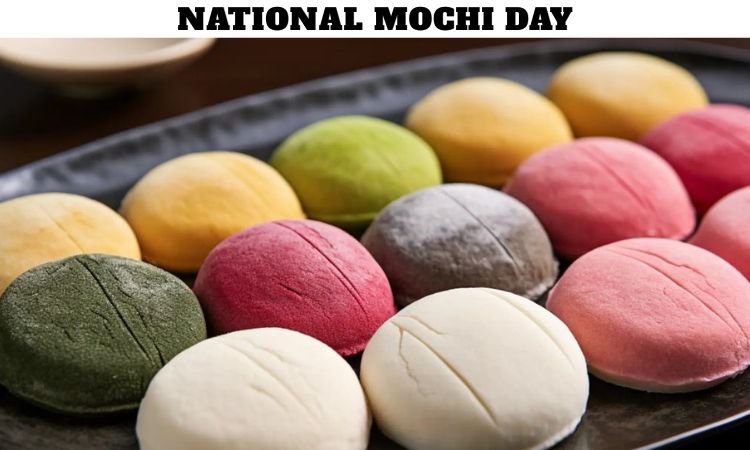
What Is National Mochi Day?
National Mochi Day, celebrated every year on August 8, is a special occasion dedicated to one of Japan’s most beloved traditional foods—mochi. This soft, chewy rice cake has been an important part of Japanese culture for centuries and continues to gain popularity around the world. National Mochi Day encourages people to learn about the history of mochi, appreciate its cultural significance, and enjoy the many delicious ways it can be prepared and served. Whether you enjoy classic plain mochi, sweet-filled varieties, or modern mochi ice cream, this day offers an opportunity to celebrate a food that beautifully combines tradition with innovation.
Mochi is much more than a dessert. It represents celebration, family gatherings, good fortune, and prosperity in Japanese culture. It is commonly enjoyed during festivals, New Year’s celebrations, weddings, and religious ceremonies. National Mochi Day highlights these traditions while also recognizing how mochi has become a favorite treat across different countries and cultures. The growing popularity of Japanese cuisine has introduced millions of people to the unique texture and flavor of mochi, making this annual observance even more meaningful.
Why Is National Mochi Day Celebrated?
National Mochi Day celebrates the cultural heritage, craftsmanship, and culinary importance of mochi. Unlike many modern desserts that rely on elaborate ingredients, traditional mochi is made from a simple yet special ingredient called glutinous rice, also known as sweet rice. The preparation process requires patience, teamwork, and skill, making it a symbol of unity and cooperation.
The celebration also recognizes how food can connect people across cultures. Today, mochi is enjoyed not only in Japan but also in the United States, Europe, Australia, and many other parts of the world. Restaurants, bakeries, and supermarkets offer numerous mochi varieties that appeal to different tastes while preserving its traditional essence.
National Mochi Day serves as a reminder to appreciate authentic cultural foods, explore international cuisines, and understand the stories behind beloved recipes that have been passed down through generations.
How Did Mochi Become an Important Part of Japanese Culture?
The history of mochi dates back more than a thousand years. Ancient Japan considered rice a sacred crop associated with wealth, fertility, and divine blessings. Over time, people discovered that steaming and pounding glutinous rice created a smooth, stretchy cake that became known as mochi.
Historically, mochi was reserved for religious ceremonies, royal families, and important festivals because producing it required significant effort. Communities gathered together to pound steamed rice using large wooden mallets and stone mortars, a tradition called “mochitsuki.” This activity was more than food preparation—it represented cooperation, celebration, and shared happiness.
As rice cultivation expanded, mochi became more accessible to ordinary families. It eventually became a central part of Japanese New Year celebrations, where families eat special mochi dishes to symbolize good health, prosperity, and longevity for the coming year.
Today, although modern machines simplify production, many communities continue practicing traditional mochi pounding during festivals to preserve this cultural heritage.
What Makes Mochi Different from Other Rice Cakes?
Mochi stands apart because of its unique texture and preparation method. Unlike ordinary rice cakes that are crispy or dry, mochi has a soft, chewy, and elastic consistency that makes it instantly recognizable. The secret lies in glutinous rice, which becomes sticky after steaming and pounding.
Fresh mochi has a delicate flavor that pairs well with both sweet and savory ingredients. It can be filled with red bean paste, strawberries, chocolate, peanut butter, sesame paste, custard, or ice cream. Savory versions may include soy sauce, seaweed, vegetables, or grilled toppings.
Its versatility allows chefs and home cooks to create countless recipes while maintaining the signature chewy texture that mochi lovers enjoy.
How Is Traditional Mochi Made?
Traditional mochi making is an impressive process requiring teamwork and timing. Glutinous rice is first soaked overnight before being steamed until perfectly cooked. The hot rice is then transferred into a large stone or wooden mortar.
Using heavy wooden mallets, one person pounds the rice while another turns and moistens it between strikes. This coordinated effort continues until the rice transforms into a smooth, sticky dough. The dough is then shaped into small balls or flattened into cakes before adding fillings or serving immediately.
Watching traditional mochi pounding demonstrations has become a popular attraction at Japanese festivals because it showcases remarkable coordination and centuries-old culinary techniques.
Modern factories now produce mochi using automated equipment, allowing millions of people worldwide to enjoy this traditional treat while maintaining high quality and consistency.
What Are the Most Popular Types of Mochi?
Mochi comes in many delicious varieties that satisfy different preferences. One of the most traditional types contains sweet red bean paste, known as anko, wrapped inside soft mochi. This classic version remains a favorite throughout Japan.
Daifuku is another popular variety featuring various fillings such as strawberries, cream, chestnuts, or matcha-flavored bean paste. Sakura mochi is wrapped in a salted cherry blossom leaf and is commonly enjoyed during spring festivals.
Mochi ice cream has become especially popular internationally. It combines thin layers of chewy mochi with creamy ice cream in flavors like vanilla, mango, green tea, cookies and cream, chocolate, strawberry, and coffee.
Savory mochi dishes include grilled mochi brushed with soy sauce, mochi served in soups, and crispy fried mochi snacks enjoyed during colder months.
These diverse varieties demonstrate how mochi continues evolving while preserving its traditional identity.
How Can You Celebrate National Mochi Day?
National Mochi Day offers countless enjoyable ways to celebrate. Visiting a Japanese bakery or restaurant allows you to experience authentic freshly made mochi while supporting local businesses. Many specialty stores offer seasonal mochi flavors that are only available during certain times of the year.
Making homemade mochi can also become a memorable family activity. While traditional pounding methods require special equipment, modern recipes use glutinous rice flour to create delicious mochi with less effort. Experimenting with different fillings and flavors adds creativity to the celebration.
Learning about Japanese traditions, watching documentaries on mochi making, attending cultural festivals, or sharing mochi with friends provides meaningful ways to appreciate the rich heritage behind this beloved food.
Photographing colorful mochi desserts, introducing someone to mochi for the first time, or exploring regional Japanese recipes also makes National Mochi Day both educational and enjoyable.
Is Mochi Healthy?
Mochi can be enjoyed as part of a balanced diet when eaten in moderation. Since it is primarily made from glutinous rice, it provides carbohydrates that supply energy. Plain mochi is naturally low in fat and contains minimal ingredients.
The nutritional value depends largely on the fillings and preparation methods. Fruit-filled mochi may offer vitamins and fiber, while ice cream mochi contains additional sugar and fat. Savory mochi dishes often include vegetables or protein-rich ingredients that create more balanced meals.
Because mochi is dense and chewy, it can be filling even in small portions. However, people should chew it carefully, as its sticky texture requires extra attention during eating.
Choosing fresh ingredients and moderate portion sizes allows people to enjoy mochi while maintaining healthy eating habits.
Why Has Mochi Become Popular Around the World?
The international popularity of mochi reflects the growing appreciation for Japanese cuisine and global food culture. Sushi, ramen, matcha, and mochi have introduced many people to authentic Japanese flavors that were once unfamiliar outside Japan.
Social media has also played an important role by showcasing colorful mochi desserts, unique flavors, and satisfying preparation videos. Food enthusiasts enjoy discovering creative mochi recipes and sharing their experiences online.
Many international companies now produce mochi-inspired products while respecting traditional recipes. Supermarkets increasingly stock frozen mochi ice cream, packaged daifuku, and specialty Japanese sweets, making them easily accessible to consumers.
The combination of tradition, unique texture, attractive appearance, and endless flavor possibilities ensures that mochi continues winning fans worldwide.
What Can National Mochi Day Teach Us About Food and Culture?
National Mochi Day reminds us that food carries stories, traditions, and values that extend far beyond taste. Every piece of mochi represents centuries of craftsmanship, community cooperation, and cultural identity. By learning about traditional foods, people develop greater appreciation for different cultures and the customs that shape them.
Celebrating foods from around the world encourages curiosity, respect, and cultural exchange. It demonstrates how recipes passed through generations continue bringing people together despite changing lifestyles and modern technology.
National Mochi Day also highlights the importance of preserving traditional cooking methods while embracing innovation. Whether enjoyed in its classic form or as mochi ice cream, this timeless rice cake continues connecting people through shared experiences and memorable flavors.
As more people discover Japanese cuisine, National Mochi Day serves as a joyful reminder that simple ingredients, careful craftsmanship, and meaningful traditions can create foods that remain cherished for centuries.
National Mochi Day on August 8 is a celebration of one of Japan’s most treasured culinary traditions. From ancient religious ceremonies to modern dessert shops around the world, mochi has remained a symbol of happiness, prosperity, and togetherness. Its soft texture, endless flavor combinations, and rich cultural history make it much more than a sweet treat. Whether you prepare homemade mochi, visit a Japanese bakery, or simply learn about its fascinating heritage, this day offers a wonderful opportunity to appreciate the traditions that continue to inspire food lovers across the globe.
Frequently Asked Questions (FAQs)
1. When is National Mochi Day celebrated?
National Mochi Day is celebrated every year on August 8.
2. What is mochi made from?
Traditional mochi is made from steamed and pounded glutinous rice, also known as sweet rice.
3. Is mochi always sweet?
No. Mochi can be sweet or savory depending on its filling and preparation.
4. What is the most popular type of mochi?
Daifuku, which contains sweet red bean paste, and mochi ice cream are among the most popular varieties.
5. Why is mochi important in Japanese culture?
Mochi symbolizes prosperity, good fortune, family unity, and celebration, especially during Japanese New Year festivities.
6. Can I make mochi at home?
Yes. Homemade mochi can be prepared using glutinous rice flour or traditional glutinous rice.
7. Is mochi gluten-free?
Plain mochi made only from glutinous rice is generally gluten-free, but flavored or processed varieties may contain gluten-containing ingredients.
8. Why is mochi so chewy?
Its chewy texture comes from glutinous rice, which becomes sticky and elastic after steaming and pounding.
9. Is mochi ice cream traditional?
No. Mochi ice cream is a modern adaptation that combines traditional mochi with ice cream.
10. How can I celebrate National Mochi Day?
You can celebrate by enjoying authentic mochi, making it at home, visiting a Japanese bakery, learning about Japanese culture, or sharing mochi with family and friends.