

Why Is Ivory Coast Independence Day Celebrated on August 7?
Ivory Coast Independence Day is celebrated every year on August 7 to commemorate the country’s independence from French colonial rule in 1960. Known officially as the Republic of Côte d’Ivoire, the nation observes this important day with patriotic ceremonies, cultural events, military parades, traditional performances, and speeches that reflect on the country’s journey toward freedom and national development.
For the people of Ivory Coast, Independence Day is much more than a public holiday. It represents the triumph of self-governance, the preservation of national identity, and the determination to build a prosperous future. Citizens across the country proudly display the national flag, participate in community gatherings, and celebrate the diverse traditions that make Côte d’Ivoire one of West Africa’s most culturally vibrant nations.
The day also serves as an opportunity to remember the leaders, freedom advocates, and ordinary citizens whose dedication contributed to the country’s peaceful transition to independence. Every August 7, Ivorians reflect on their past while renewing their commitment to unity, democracy, peace, and sustainable development.
How Did Ivory Coast Gain Its Independence?
Before independence, Ivory Coast was part of the French colonial empire. France officially established control over the territory in the late nineteenth century, incorporating it into French West Africa. During the colonial era, the country became an important producer of agricultural products, particularly cocoa and coffee, which remain essential to its economy today.
Following the end of World War II, nationalist movements grew stronger across Africa. Inspired by the global demand for self-determination, political leaders in Ivory Coast began advocating for greater autonomy and equal political rights. One of the most influential figures during this period was Félix Houphouët-Boigny, whose leadership played a central role in negotiating a peaceful path toward independence.
Rather than achieving independence through armed conflict, Ivory Coast experienced a relatively peaceful transition. On August 7, 1960, France officially recognized the country’s independence, making Côte d’Ivoire a sovereign nation. Félix Houphouët-Boigny became the country’s first president and remained a significant figure in shaping the nation’s political and economic development for decades.
The peaceful nature of the independence movement remains one of the defining characteristics of Ivory Coast’s history and is remembered with pride during annual Independence Day celebrations.
Why Is Ivory Coast Independence Day Important?
Independence Day represents the birth of a sovereign nation capable of determining its own political, economic, and social future. It reminds citizens that freedom comes with both rights and responsibilities. The celebration strengthens national pride while encouraging people from different ethnic, linguistic, and religious backgrounds to work together for the country’s continued success.
The holiday also highlights the importance of preserving democratic values, respecting cultural diversity, and promoting economic growth. Ivory Coast is home to more than sixty ethnic groups, each contributing unique customs, languages, music, art, and traditions to the country’s national identity.
The observance serves as a reminder that despite facing political challenges and periods of instability throughout its history, the country continues striving toward reconciliation, peace, and development. Independence Day encourages citizens to focus on shared goals and collective progress.
How Is Ivory Coast Independence Day Celebrated?
Across Ivory Coast, Independence Day celebrations begin with official ceremonies organized by the government. National leaders deliver speeches reflecting on the country’s achievements, challenges, and aspirations for the future. These addresses often emphasize unity, economic growth, education, healthcare, infrastructure, and opportunities for young people.
Military parades are among the most recognizable features of the celebration. Members of the armed forces, police, and other security services participate in ceremonial marches that demonstrate national pride and respect for those responsible for protecting the country.
Cultural performances also play a major role in the festivities. Traditional dancers wearing colorful attire perform regional dances accompanied by drums, flutes, and other indigenous musical instruments. Musicians entertain crowds with performances that celebrate both traditional and contemporary Ivorian culture.
Communities organize festivals, concerts, sporting competitions, exhibitions, and public gatherings where families spend time together. Local markets become especially lively as vendors sell traditional foods, handcrafted goods, clothing, and decorations inspired by the national colors.
Schools often organize educational activities before the holiday, helping students understand the historical significance of independence and the responsibilities of citizenship. Many children participate in patriotic songs, poetry recitations, and cultural presentations.
Fireworks displays illuminate the evening skies in many cities, bringing the day’s celebrations to a festive conclusion.
What Makes Ivory Coast’s Culture Unique During Independence Day?
Independence Day provides an excellent opportunity to experience the extraordinary cultural diversity of Ivory Coast. The country is internationally recognized for its traditional masks, wood carvings, weaving, storytelling, dance, and music.
Traditional costumes differ from one region to another, reflecting local customs and heritage. Brightly colored fabrics, intricate embroidery, and handcrafted accessories are commonly worn during celebrations. Many communities proudly showcase their regional identity while participating in national festivities.
Music is an essential part of the celebration. Traditional rhythms blend with modern musical styles, creating performances that appeal to audiences of all ages. Dance groups perform routines passed down through generations, preserving important cultural traditions while entertaining spectators.
Food also plays an important role in family gatherings. Popular dishes include attiéké made from fermented cassava, grilled fish, chicken, spicy sauces, plantains, rice dishes, and tropical fruits. Sharing meals strengthens family bonds and reinforces the communal spirit of the holiday.
Art exhibitions frequently display sculptures, paintings, textiles, and handcrafted items that celebrate Ivorian creativity and craftsmanship. These artistic expressions remind citizens that culture remains a vital part of national identity.
What Role Did Félix Houphouët-Boigny Play in Independence?
Félix Houphouët-Boigny is widely regarded as the father of modern Ivory Coast. Before independence, he served as an influential political leader who advocated for reforms within the French colonial system while pursuing greater autonomy for his country.
His diplomatic approach helped Ivory Coast achieve independence through negotiation rather than prolonged armed conflict. Following independence in 1960, he became the nation’s first president and focused on agricultural development, economic growth, education, and infrastructure.
Under his leadership, Ivory Coast experienced significant economic expansion, particularly through cocoa and coffee production. Although historians continue to debate aspects of his long presidency, his contribution to securing independence remains widely acknowledged.
Every Independence Day, many citizens remember his leadership and the peaceful transition that shaped the country’s early years as an independent nation.
How Has Ivory Coast Changed Since Independence?
Since gaining independence, Ivory Coast has experienced remarkable transformation. Agriculture continues to form the backbone of the economy, with the country becoming the world’s largest producer of cocoa. Coffee, rubber, palm oil, cashews, and other agricultural products also contribute significantly to national income.
Urban centers such as Abidjan have grown into important commercial and financial hubs within West Africa. Investments in transportation, telecommunications, education, healthcare, and industry have supported economic development over the decades.
Like many nations, Ivory Coast has also faced political instability and civil conflict during certain periods. These challenges affected economic progress and social cohesion. However, continued efforts toward reconciliation, democratic governance, and infrastructure development have helped strengthen national stability.
Independence Day provides an opportunity to acknowledge both achievements and ongoing challenges while encouraging citizens to contribute positively to their country’s future.
What Can the World Learn from Ivory Coast Independence Day?
Ivory Coast Independence Day demonstrates that national unity remains essential for long-term development. The country’s peaceful path to independence highlights the value of dialogue, negotiation, and diplomacy in achieving political change.
The celebration also emphasizes the importance of preserving cultural heritage while embracing modernization. Ivory Coast’s diverse traditions show that cultural differences can strengthen rather than divide a nation when mutual respect exists.
Another important lesson is the significance of investing in education, agriculture, infrastructure, and youth opportunities. Independence is not simply the transfer of political authority; it requires continuous effort to improve citizens’ quality of life and build strong institutions.
Finally, the holiday reminds people worldwide that freedom should inspire responsibility, cooperation, and a shared commitment to creating a better future for all.
Why Should People Around the World Recognize Ivory Coast Independence Day?
Although primarily observed within Ivory Coast, Independence Day has international significance because it reflects the broader history of African decolonization during the twentieth century. The country’s independence marked another important step in Africa’s movement toward self-governance and national sovereignty.
Recognizing the holiday encourages greater appreciation for African history, cultural diversity, and international cooperation. It provides an opportunity to learn about one of the world’s leading cocoa-producing nations and its contributions to global agriculture, trade, music, art, and culture.
As globalization continues connecting nations more closely, understanding the historical milestones of different countries promotes mutual respect and stronger international relationships.
Every August 7, Ivory Coast Independence Day reminds both Ivorians and the global community that freedom, unity, cultural pride, and national progress remain enduring values worth celebrating.
Ivory Coast Independence Day, celebrated annually on August 7, honors the country’s historic achievement of independence from France in 1960 and celebrates the resilience, diversity, and aspirations of its people. The occasion brings together citizens through patriotic ceremonies, cultural performances, family gatherings, and reflections on national progress. It recognizes the peaceful journey to sovereignty, pays tribute to the leaders who guided the nation toward independence, and inspires future generations to preserve peace, strengthen unity, and contribute to the continued growth of Côte d’Ivoire. As one of the most meaningful national holidays in West Africa, Independence Day remains a powerful symbol of freedom, identity, and hope.
Frequently Asked Questions (FAQs)
1. When is Ivory Coast Independence Day celebrated?
Ivory Coast Independence Day is celebrated every year on August 7.
2. Why is Ivory Coast Independence Day important?
It marks the country’s independence from French colonial rule in 1960 and celebrates national sovereignty.
3. Who was the first president of Ivory Coast?
Félix Houphouët-Boigny became the first president after independence.
4. From which country did Ivory Coast gain independence?
Ivory Coast gained independence from France.
5. How do people celebrate Ivory Coast Independence Day?
People celebrate with military parades, cultural festivals, music, dancing, speeches, fireworks, and family gatherings.
6. What is the official name of Ivory Coast?
The official name is the Republic of Côte d’Ivoire.
7. Is August 7 a public holiday in Ivory Coast?
Yes, it is a national public holiday observed throughout the country.
8. What is Ivory Coast famous for globally?
The country is the world’s largest producer of cocoa and is also known for its rich cultural heritage.
9. What colors are on the Ivory Coast national flag?
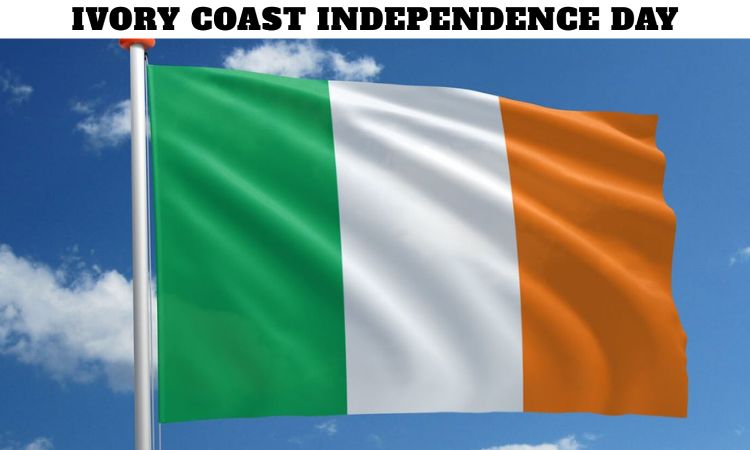
The national flag consists of orange, white, and green vertical stripes.
10. Why is Félix Houphouët-Boigny remembered on Independence Day?
He played a leading role in achieving peaceful independence and became the nation’s first president.