

Why Is Bolivia Independence Day Celebrated on August 6?
Bolivia Independence Day is celebrated every year on August 6 to commemorate the country’s declaration of independence from Spanish colonial rule in 1825. This historic occasion marks the birth of Bolivia as a sovereign nation after years of struggle, sacrifice, and determination by revolutionary leaders and ordinary citizens alike. It is one of the most significant national holidays in Bolivia, bringing together people from all regions to honor their shared history, cultural diversity, and national pride.
The journey toward independence was not an easy one. Bolivia, formerly known as Upper Peru, remained under Spanish colonial control for centuries. During this period, the local population endured political restrictions, economic exploitation, and limited rights. Inspired by independence movements across South America, Bolivian revolutionaries began fighting for freedom in the early nineteenth century. After several years of conflict and perseverance, independence was finally achieved on August 6, 1825.
Today, Bolivia Independence Day serves as a reminder of the courage displayed by those who fought for liberty. It is also a celebration of the country’s rich heritage, indigenous traditions, vibrant cultures, and hopes for a prosperous future. Across the nation, people gather to participate in patriotic events, educational activities, military parades, music performances, and family celebrations.
What Is the History Behind Bolivia Independence Day?
The history of Bolivia Independence Day begins during the colonial era when Spain ruled vast territories across South America. Upper Peru became an important colonial region because of its enormous silver reserves, especially those found in Potosí. The wealth generated from mining benefited the Spanish Empire, while local communities often experienced harsh working conditions and unequal treatment.
As revolutionary ideas spread throughout Latin America during the early 1800s, many people in Upper Peru began demanding self-government and freedom. The revolutions in neighboring countries inspired local patriots to organize resistance against Spanish authority. Several uprisings took place, although many were initially suppressed.
The struggle for independence continued for nearly sixteen years. Revolutionary leaders worked alongside freedom fighters from other South American territories, believing that independence for one nation would strengthen the entire continent. Military victories achieved by independence forces gradually weakened Spanish control.
A decisive moment came after the Battle of Ayacucho in 1824, which effectively ended Spanish military dominance in South America. On August 6, 1825, representatives gathered to officially declare the independence of Upper Peru. The newly independent nation was named Bolivia in honor of Simón Bolívar, one of the greatest leaders of the South American independence movement. This declaration marked the beginning of Bolivia’s existence as an independent republic.
Since then, August 6 has remained a symbol of freedom, national unity, and democratic aspirations for Bolivians across generations.
Who Were the Important Leaders in Bolivia’s Independence Movement?
Several remarkable individuals played vital roles in Bolivia’s journey toward independence. Among the most influential was Simón Bolívar, whose leadership helped liberate multiple South American nations from Spanish rule. Although he was not born in Bolivia, his military campaigns and political vision significantly influenced the country’s independence, leading the new republic to bear his name.
Another key figure was Antonio José de Sucre, one of Bolívar’s most trusted generals. Sucre commanded revolutionary forces during crucial battles and became Bolivia’s first constitutional president after independence. His leadership helped establish the foundations of the new republic.
Local heroes also made extraordinary contributions. Pedro Domingo Murillo became one of the earliest revolutionaries to openly challenge Spanish authority. His efforts inspired future generations despite his execution by colonial authorities.
Juana Azurduy stands among the most celebrated heroines of South American independence. She bravely led troops, organized resistance efforts, and demonstrated exceptional courage during numerous battles. Today, she is remembered not only in Bolivia but throughout Latin America as a symbol of patriotism and resilience.
These leaders, together with thousands of unnamed soldiers, indigenous communities, and ordinary citizens, sacrificed greatly to secure Bolivia’s freedom.
How Is Bolivia Independence Day Celebrated?
Bolivia Independence Day is celebrated throughout the country with enthusiasm and deep patriotic spirit. Government institutions, schools, businesses, and communities organize numerous events that reflect national pride and cultural identity.
One of the most recognizable traditions is the military parade. Members of the armed forces march alongside police units, veterans, students, and civic organizations. These parades honor the nation’s history while demonstrating respect for those who have served the country.
Schools play an important role in the celebrations. Students participate in flag ceremonies, historical presentations, patriotic songs, traditional dances, and educational programs that teach younger generations about Bolivia’s independence struggle.
Cities and towns are decorated with the Bolivian national flag. Public squares host concerts, cultural exhibitions, folk dance performances, and speeches by government officials. Local musicians perform traditional Andean music using instruments such as pan flutes, charangos, and drums.
Families often gather to enjoy festive meals together. Traditional foods, local desserts, and regional specialties are shared while people reflect on the country’s achievements and future aspirations.
Religious ceremonies are also observed in some communities, reflecting the blend of cultural and spiritual traditions that characterize Bolivia.
The celebrations highlight the country’s unity while recognizing the diversity of its indigenous peoples, languages, and regional customs.
Why Is Bolivia Independence Day Important Today?
Bolivia Independence Day remains relevant because it celebrates much more than a historical event. It represents national identity, freedom, democracy, resilience, and hope for future generations.
The holiday encourages citizens to remember the sacrifices made by those who fought for independence. Their determination established the foundation upon which modern Bolivia continues to grow.
The celebration also strengthens national unity. Bolivia is home to numerous indigenous groups, languages, and cultural traditions. Independence Day provides an opportunity for people from different backgrounds to celebrate their shared citizenship while honoring their unique identities.
Educational institutions use the occasion to teach students about history, civic responsibility, and democratic values. Young people learn how past struggles continue to influence modern society and why preserving freedom requires active participation from every citizen.
Internationally, Bolivia Independence Day showcases the nation’s rich culture, traditions, and historical significance to the global community. Cultural festivals and diplomatic events held abroad help strengthen relationships with other countries while promoting Bolivian heritage.
What Traditions Make Bolivia Independence Day Unique?
Bolivia’s Independence Day celebrations reflect the country’s remarkable cultural diversity. Traditional clothing is commonly worn during parades and cultural performances, especially garments representing indigenous communities from different regions.
Folk dances remain one of the highlights of the celebrations. Dancers perform colorful routines that blend indigenous customs with colonial influences. These performances preserve centuries-old traditions while entertaining audiences of all ages.
Music plays an equally important role. Traditional instruments create lively melodies that accompany dances and public festivities. Many communities organize open-air concerts featuring regional musical styles that vary across Bolivia’s diverse landscapes.
Historical reenactments are another popular tradition. Schools and community organizations recreate significant moments from the independence movement, helping audiences better understand the country’s revolutionary history.
Art exhibitions, museum displays, poetry readings, and cultural workshops also contribute to the celebrations by promoting appreciation for Bolivia’s artistic and historical heritage.
How Does Bolivia Independence Day Reflect National Identity?
Bolivia is one of South America’s most culturally diverse nations. More than thirty indigenous languages are officially recognized alongside Spanish, and numerous ethnic groups contribute to the country’s unique identity.
Independence Day reflects this diversity by incorporating traditions from every region. Rather than focusing solely on political history, the celebrations recognize indigenous heritage, cultural preservation, and community participation.
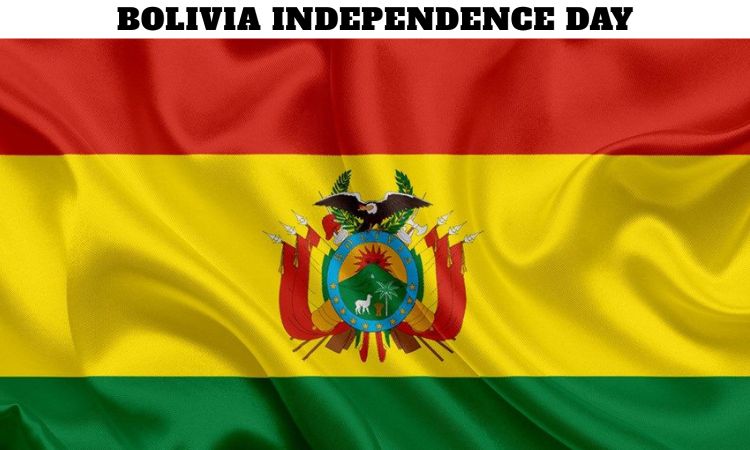
The national flag becomes a powerful symbol during the holiday. Citizens proudly display it on homes, government buildings, schools, and businesses as a representation of unity and shared values.
The holiday also reminds Bolivians that independence continues to evolve through education, economic development, social progress, environmental responsibility, and democratic participation.
By celebrating both historical achievements and modern aspirations, Bolivia Independence Day reinforces a sense of belonging among citizens while inspiring future generations to contribute positively to their country.
What Are Some Interesting Facts About Bolivia Independence Day?
- Bolivia officially gained independence on August 6, 1825, after nearly sixteen years of revolutionary struggle.
- The country was named after Simón Bolívar, one of Latin America’s greatest independence leaders.
- Antonio José de Sucre became Bolivia’s first president following independence.
- The Battle of Ayacucho played a crucial role in ending Spanish rule across much of South America.
- Bolivia celebrates Independence Day as a national public holiday every year.
- Military parades, cultural festivals, music, and traditional dances are central parts of the celebrations.
- Educational institutions organize patriotic events to teach students about national history.
- Many cities decorate streets and public buildings with Bolivian flags before the holiday.
- Traditional Andean music remains an essential feature of Independence Day festivities.
- The holiday celebrates both Bolivia’s historical freedom and its continuing commitment to national unity and development.
Why Will Bolivia Independence Day Continue to Inspire Future Generations?
Bolivia Independence Day continues to inspire because it represents courage, perseverance, and the belief that people can shape their own future. The struggles faced by independence heroes remind citizens that freedom often requires determination and collective effort.
Modern Bolivia continues addressing challenges while building a stronger and more inclusive society. Independence Day encourages reflection on the nation’s progress and motivates future generations to preserve democratic values, cultural traditions, and national unity.
As the country develops, August 6 remains a powerful reminder that history shapes identity. The lessons learned from Bolivia’s independence movement continue influencing education, public service, civic participation, and cultural preservation.
For Bolivians living both at home and abroad, the holiday provides an opportunity to reconnect with their heritage and celebrate the remarkable journey that transformed a colonial territory into an independent nation. Through remembrance, celebration, and hope, Bolivia Independence Day remains one of the country’s most meaningful and enduring national observances.
Frequently Asked Questions (FAQs)
1. When is Bolivia Independence Day celebrated?
Bolivia Independence Day is celebrated every year on August 6.
2. Why is Bolivia Independence Day important?
It commemorates Bolivia’s declaration of independence from Spanish rule in 1825.
3. Who is Bolivia named after?
Bolivia is named in honor of Simón Bolívar, a leading figure in South America’s independence movements.
4. Who was Bolivia’s first president?
Antonio José de Sucre became Bolivia’s first constitutional president after independence.
5. Is Bolivia Independence Day a public holiday?
Yes, it is a national public holiday observed throughout Bolivia.
6. How do people celebrate Bolivia Independence Day?
People celebrate with military parades, flag ceremonies, cultural festivals, music, dancing, educational events, and family gatherings.
7. What was Bolivia called before independence?
Before independence, Bolivia was commonly known as Upper Peru.
8. What role did the Battle of Ayacucho play?
The Battle of Ayacucho in 1824 helped secure the end of Spanish military rule in South America, paving the way for Bolivia’s independence.
9. What traditional activities take place during the holiday?
Traditional dances, folk music performances, historical reenactments, and patriotic ceremonies are common activities.
10. Why is Bolivia Independence Day still relevant today?
The holiday celebrates freedom, national unity, cultural diversity, and the ongoing commitment to building a stronger and more inclusive nation.