

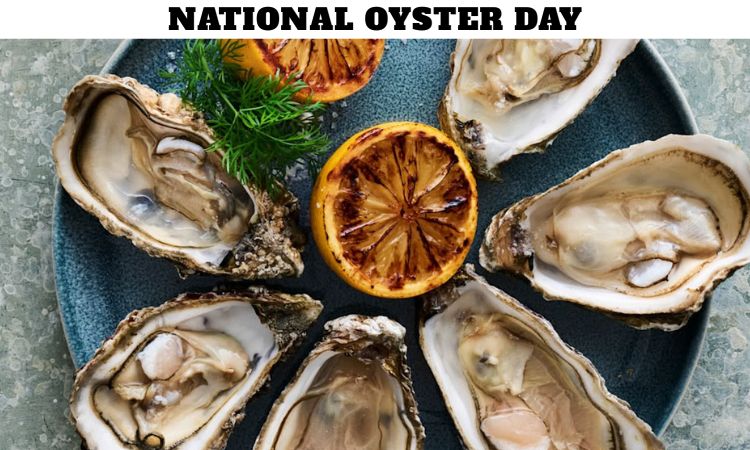
What Is National Oyster Day?
National Oyster Day is celebrated every year on August 5 to honor one of the world’s oldest and most cherished seafood delicacies. Oysters have been enjoyed by civilizations for thousands of years, serving as both a nutritious food source and an important part of coastal culture. This special day gives seafood enthusiasts, chefs, fishermen, and environmental advocates an opportunity to appreciate the unique role oysters have played throughout history and continue to play in modern society.
Unlike many food holidays that celebrate processed dishes or desserts, National Oyster Day recognizes a natural delicacy that has existed long before modern cuisine. Whether served raw on the half shell, grilled, baked, fried, smoked, or incorporated into soups and stews, oysters continue to delight people with their distinctive taste and remarkable versatility.
The day also highlights the importance of sustainable oyster farming and the environmental benefits these shellfish provide. Beyond being a popular seafood item, oysters contribute significantly to cleaner waterways and healthier marine ecosystems. As people celebrate National Oyster Day, they not only enjoy delicious meals but also learn about responsible seafood consumption and marine conservation.
Why Is National Oyster Day Celebrated?
National Oyster Day was established to recognize the culinary, cultural, and ecological importance of oysters. Throughout history, oysters have been valued by coastal communities as a reliable food source. Ancient civilizations harvested oysters from rivers, bays, and oceans, while indigenous communities depended on them for sustenance and trade.
As seafood cuisine evolved, oysters became associated with luxury dining as well as everyday meals. Their popularity spread across Europe, North America, Asia, and Australia, making them one of the world’s most recognized shellfish.
The celebration also reminds people of the importance of preserving oyster habitats. Pollution, overharvesting, disease, and habitat destruction have threatened wild oyster populations in many regions. National Oyster Day encourages awareness about restoration projects and sustainable aquaculture practices that help protect future oyster generations.
For many restaurants, seafood markets, and oyster bars, August 5 is also an opportunity to introduce customers to new oyster varieties, regional flavors, and cooking techniques.
How Did Oysters Become So Popular Around the World?
Oysters have a fascinating history dating back thousands of years. Archaeological evidence shows that humans consumed oysters during prehistoric times. Ancient Romans considered oysters a luxury item and even transported them across long distances to satisfy wealthy citizens.
In medieval Europe, oysters became widely available and were eaten by both wealthy families and working-class communities. During the 18th and 19th centuries, oysters became especially popular in North America due to abundant coastal supplies. Cities such as New York, Boston, and New Orleans developed thriving oyster industries that supplied local markets and exported seafood across the country.
Over time, different regions developed their own oyster traditions. France became famous for refined oyster farming, Japan perfected oyster cultivation techniques, and many coastal regions created signature recipes featuring local oyster varieties.
Today, oysters remain a staple in fine dining restaurants while also appearing in casual seafood festivals, family gatherings, and community celebrations.
What Makes Oysters Such a Unique Seafood?
Oysters are unlike most seafood because their flavor changes depending on where they are grown. Similar to grapes used in wine production, oysters reflect the characteristics of their environment. Factors such as water temperature, salinity, minerals, tides, and surrounding vegetation influence their taste.
Some oysters have a sweet, buttery flavor, while others offer a briny, mineral-rich, or slightly cucumber-like taste. This diversity has made oyster tasting a popular culinary experience.
Oysters can be served in many ways. Raw oysters are often paired with lemon juice, cocktail sauce, mignonette, or hot sauce. Cooked oysters appear in grilled dishes, oyster Rockefeller, oyster po’boys, fried platters, chowders, casseroles, and pasta recipes.
Professional chefs often recommend pairing oysters with sparkling water, white wine, champagne, or light beers to complement their delicate flavors.
Why Are Oysters Considered Nutritious?
Oysters are widely recognized as one of the most nutrient-dense seafood options available. They provide high-quality protein while remaining relatively low in calories and saturated fat. They are also rich in essential vitamins and minerals that support overall health.
Oysters contain significant amounts of zinc, which plays an important role in immune function, wound healing, and cell growth. They also provide vitamin B12, iron, selenium, copper, phosphorus, and omega-3 fatty acids.
These nutrients contribute to healthy brain function, cardiovascular health, energy production, and red blood cell formation. Because of their impressive nutritional profile, oysters are often recommended as part of a balanced seafood diet.
However, people with shellfish allergies or weakened immune systems should consult healthcare professionals before consuming raw oysters, as improper handling or contaminated shellfish may carry health risks.
How Do Oysters Benefit the Environment?
One of the most remarkable aspects of oysters is their positive impact on marine ecosystems. Unlike many seafood species that require feeding, oysters naturally filter water by removing algae, excess nutrients, and suspended particles.
A single oyster can filter many gallons of water every day, helping improve water clarity and overall ecosystem health. Cleaner water allows sunlight to reach underwater vegetation, benefiting fish, crabs, shrimp, and countless marine organisms.
Oyster reefs also provide natural habitats where marine species can feed, hide, and reproduce. These reefs reduce shoreline erosion by absorbing wave energy during storms.
Many conservation organizations actively restore oyster reefs because healthy oyster populations improve biodiversity while strengthening coastal resilience.
National Oyster Day encourages greater awareness of these environmental contributions and supports sustainable aquaculture practices.
How Is National Oyster Day Celebrated?
People celebrate National Oyster Day in many enjoyable ways. Seafood restaurants often feature special oyster menus, tasting events, and discounted platters. Oyster bars introduce customers to different regional varieties, allowing guests to compare flavors from various coastal waters.
Many families prepare favorite oyster recipes at home, including fried oysters, baked oysters, oyster stuffing, seafood pasta, and creamy oyster chowder. Others organize seafood dinners featuring fresh shellfish paired with seasonal vegetables and local beverages.
Food enthusiasts enjoy learning about oyster shucking techniques, while culinary schools sometimes conduct demonstrations showing proper preparation and presentation.
Coastal communities may organize seafood festivals, educational exhibits, marine conservation activities, or oyster reef restoration events. Aquariums and environmental organizations often use the day to educate visitors about oyster habitats and sustainable seafood harvesting.
Social media users also participate by sharing recipes, restaurant experiences, cooking tips, and photographs of seafood meals while encouraging responsible seafood choices.
What Are Some Interesting Facts About Oysters?
- Oysters are filled with fascinating characteristics that make them one of nature’s most extraordinary shellfish. They have existed on Earth for millions of years and continue to adapt to changing marine environments.
- Not every oyster produces pearls. Pearl-producing oysters belong to specific species, while most edible oysters are cultivated primarily for food.
- Oysters begin life as tiny free-swimming larvae before attaching themselves permanently to hard surfaces such as rocks, shells, or oyster reefs.
- They have the ability to change sex during different stages of their lives depending on environmental conditions and reproductive needs.
- Oyster shells are largely composed of calcium carbonate and continue growing throughout much of the oyster’s lifespan.
- Different oyster species thrive in oceans around the world, creating hundreds of regional varieties with unique appearances, textures, and flavors.
- Because oysters filter water naturally, healthy oyster populations improve the quality of surrounding aquatic ecosystems.
Why Does Sustainable Oyster Farming Matter?
As global seafood demand continues to increase, sustainable oyster farming has become increasingly important. Responsible aquaculture helps reduce pressure on wild oyster populations while supplying fresh seafood to consumers.
Modern oyster farms carefully monitor water quality, disease prevention, and harvesting practices to maintain healthy shellfish. Since oysters feed naturally by filtering microscopic organisms from seawater, farming them generally requires fewer external resources than many other forms of aquaculture.
Consumers can support sustainability by purchasing oysters from reputable suppliers who follow environmental regulations and responsible farming standards.
Many oyster farms also participate in habitat restoration projects, helping rebuild oyster reefs that were previously damaged by pollution, overharvesting, or coastal development.
Choosing sustainably harvested oysters supports local fishing communities while protecting marine ecosystems for future generations.
Why Should Everyone Learn About National Oyster Day?
National Oyster Day offers much more than an opportunity to enjoy delicious seafood. It serves as a reminder of humanity’s long relationship with the oceans and the importance of protecting marine environments. Oysters have nourished civilizations, supported coastal economies, inspired culinary traditions, and improved water quality for thousands of years.
Whether someone is an experienced seafood enthusiast or trying oysters for the first time, August 5 provides the perfect opportunity to discover their rich history, impressive nutritional value, environmental importance, and incredible culinary diversity.
By celebrating responsibly, supporting sustainable oyster farming, and appreciating the ecological benefits oysters provide, everyone can help preserve these remarkable shellfish for future generations. National Oyster Day ultimately honors both a beloved seafood delicacy and one of nature’s most valuable contributors to healthy coastal ecosystems.
Frequently Asked Questions (FAQs)
1. When is National Oyster Day celebrated?
National Oyster Day is celebrated annually on August 5.
2. Why is National Oyster Day observed?
It celebrates the culinary, cultural, historical, and environmental importance of oysters.
3. Are oysters healthy to eat?
Yes. Oysters are rich in protein, zinc, vitamin B12, iron, selenium, and omega-3 fatty acids.
4. Can all oysters produce pearls?
No. Only certain oyster species produce pearls, while most edible oysters are cultivated for food.
5. How do oysters help the environment?
They naturally filter water, improve water quality, provide marine habitats, and reduce shoreline erosion.
6. What are the most popular ways to eat oysters?
Oysters can be enjoyed raw, grilled, baked, fried, smoked, or added to soups, stews, and pasta dishes.
7. Is oyster farming sustainable?
Yes. Responsible oyster farming is considered one of the more environmentally friendly forms of aquaculture.
8. Where are oysters commonly found?
Oysters live in coastal oceans, estuaries, bays, and saltwater environments around the world.
9. Are raw oysters safe to eat?
Healthy individuals often consume raw oysters safely, but they should always come from reputable suppliers. People with weakened immune systems, liver disease, or shellfish allergies should avoid raw oysters.
10. How can I celebrate National Oyster Day?
You can visit a seafood restaurant, prepare oyster recipes at home, attend a seafood festival, learn about oyster conservation, or support sustainable oyster farms.