

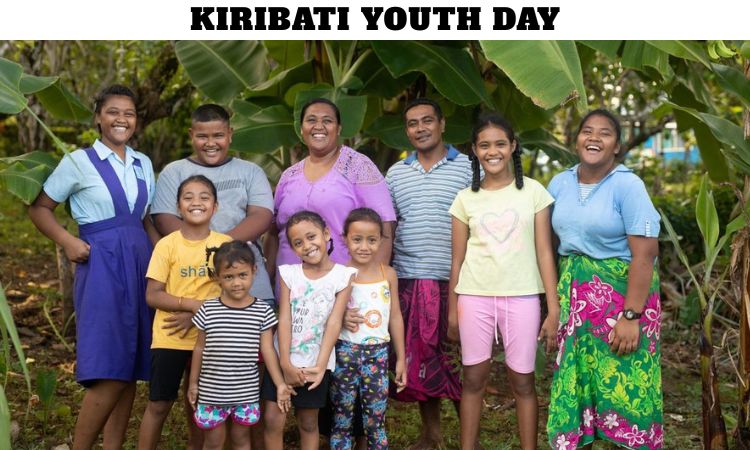
What Is Kiribati Youth Day and Why Is It Celebrated on August 3?
Kiribati Youth Day, observed every year on August 3, is a meaningful celebration dedicated to recognizing the importance of young people in the Republic of Kiribati. This special day highlights the achievements, talents, leadership potential, and aspirations of the nation’s youth while encouraging them to actively participate in building a brighter future. As one of the most significant youth-focused observances in the country, Kiribati Youth Day reminds citizens that young people are not only the leaders of tomorrow but also valuable contributors to today’s communities.
Kiribati, a peaceful island nation located in the central Pacific Ocean, consists of 33 coral atolls and reef islands spread across a vast area of the ocean. Although the country’s landmass is relatively small, its cultural heritage and strong community values make it unique. The youth represent a substantial portion of Kiribati’s population, making their education, health, leadership, and personal development essential for the country’s long-term success.
Kiribati Youth Day serves as an opportunity for government agencies, schools, churches, community organizations, and families to recognize the efforts of young people while providing programs that encourage education, volunteerism, cultural preservation, environmental awareness, and leadership. The celebration creates an environment where young citizens feel appreciated and inspired to contribute positively to society.
The day also emphasizes unity across the islands of Kiribati. Despite the geographical distance between many of the islands, Youth Day brings communities together through shared celebrations, reinforcing the values of cooperation, respect, responsibility, and national pride.
Why Is Kiribati Youth Day Important for the Country’s Future?
The importance of Kiribati Youth Day extends beyond celebrations and cultural events. It reflects the nation’s commitment to investing in its younger generation by creating opportunities for learning, personal growth, and civic engagement.
Young people face numerous challenges, including access to quality education, employment opportunities, environmental changes, and the effects of globalization. Kiribati Youth Day provides a platform to discuss these issues while encouraging collaborative solutions involving youth leaders, educators, policymakers, and community members.
Education remains one of the central themes of the celebration. Schools often organize activities that inspire students to develop leadership skills, teamwork, creativity, and confidence. Teachers encourage students to think critically about the future of their country and how they can contribute to sustainable development.
Another important aspect is community involvement. Many youth organizations arrange volunteer activities, neighborhood cleanups, cultural performances, sports competitions, and educational workshops. These activities help strengthen community relationships while teaching responsibility and cooperation.
The celebration also recognizes that empowering youth leads to stronger families, healthier communities, and sustainable national development. When young people receive support, guidance, and opportunities, they become more capable of addressing social and economic challenges while preserving their country’s cultural identity.
How Did Kiribati Youth Day Begin?
Kiribati Youth Day developed as part of the country’s broader commitment to youth empowerment and community development. While the exact historical origins of the observance have evolved through government and community initiatives, the celebration has consistently focused on recognizing the valuable role of young citizens.
Following Kiribati’s independence in 1979, national development strategies increasingly emphasized the importance of investing in education, leadership, and youth participation. Government ministries responsible for youth affairs began supporting programs that encouraged young people to become active contributors to society.
Over time, Youth Day became an annual occasion for celebrating youth achievements while addressing issues affecting younger generations. Schools, churches, local councils, and community organizations gradually expanded the range of activities organized during the celebration.
Today, Kiribati Youth Day reflects both traditional cultural values and modern aspirations. It encourages young people to honor their heritage while preparing themselves for future opportunities in education, employment, entrepreneurship, environmental conservation, and public service.
The observance also strengthens partnerships between government institutions, non-governmental organizations, educators, families, and youth groups working toward common development goals.
How Do People Celebrate Kiribati Youth Day?
Celebrations of Kiribati Youth Day vary across different islands and communities, but the central focus always remains on honoring young people and encouraging their active participation in society.
Schools frequently organize assemblies, speeches, essay competitions, debates, quizzes, talent shows, and cultural performances. These activities allow students to showcase their knowledge, creativity, and confidence while learning about leadership and citizenship.
Sports tournaments are another popular feature of Youth Day celebrations. Football, volleyball, athletics, and traditional games encourage teamwork, discipline, healthy lifestyles, and friendly competition among young participants.
Community service projects often play a major role in the observance. Youth volunteers participate in beach cleanups, tree planting, environmental awareness campaigns, neighborhood improvement projects, and charitable initiatives that benefit local communities.
Cultural performances are equally important. Traditional dances, music, storytelling, and singing help preserve Kiribati’s rich cultural heritage while allowing younger generations to learn and appreciate their traditions.
Government officials, educators, religious leaders, and community representatives frequently deliver motivational speeches encouraging youth to pursue education, develop leadership skills, respect cultural values, and contribute positively to national development.
Workshops focusing on health, entrepreneurship, career planning, financial literacy, environmental sustainability, and digital skills may also be organized to equip young people with practical knowledge for the future.
Families often celebrate by spending quality time together, recognizing the achievements of their children, and encouraging them to pursue their personal goals with determination and integrity.
What Role Do Young People Play in Kiribati Society?
Young people occupy a central position in Kiribati’s social, cultural, and economic development. They represent future educators, healthcare professionals, entrepreneurs, community leaders, environmental advocates, and government officials who will guide the nation in the coming decades.
Education remains one of the strongest pathways for youth development. Students across Kiribati work toward gaining knowledge and skills that will help improve their communities while contributing to national progress.
Youth are also actively involved in preserving traditional customs and cultural practices. Learning traditional dances, songs, crafts, navigation knowledge, and storytelling ensures that Kiribati’s unique heritage continues to be passed from one generation to another.
Environmental stewardship has become increasingly important for young people. As one of the countries most affected by rising sea levels and climate change, Kiribati encourages youth participation in conservation projects, coastal protection initiatives, waste management programs, and environmental education campaigns.
Many young people also contribute through volunteer work, church activities, youth organizations, sports clubs, and local community projects that strengthen social bonds and improve public well-being.
Entrepreneurship is another growing area where young citizens are encouraged to create innovative solutions, establish small businesses, and develop sustainable economic opportunities that benefit their communities.
How Does Kiribati Youth Day Inspire Leadership and National Unity?
Leadership development stands at the heart of Kiribati Youth Day. Throughout the celebrations, young people are encouraged to believe in their abilities, develop confidence, communicate effectively, and work collaboratively with others.
Various leadership workshops and mentoring programs help participants understand the responsibilities associated with serving their communities. Experienced leaders often share valuable lessons about honesty, resilience, teamwork, and public service.
The celebration also strengthens national unity by bringing together people from different islands, schools, churches, and community organizations. Despite geographical distances, Youth Day reinforces a shared national identity built on mutual respect, cooperation, and cultural pride.
Young people are reminded that leadership begins with everyday actions such as helping neighbors, respecting elders, protecting the environment, pursuing education, and demonstrating kindness toward others.
The event encourages youth to become active citizens who contribute ideas, solve problems, and participate in decision-making processes affecting their communities. These experiences prepare them to become responsible leaders capable of guiding Kiribati through future challenges.
What Can the World Learn from Kiribati Youth Day?
Kiribati Youth Day offers valuable lessons for countries around the world about the importance of investing in young people. The celebration demonstrates that national progress depends not only on economic growth but also on education, community involvement, cultural preservation, and youth empowerment.
One important lesson is that every young person deserves opportunities to learn, lead, and contribute regardless of where they live. Encouraging participation builds confidence and strengthens communities.
Another lesson involves balancing tradition with modern development. Kiribati Youth Day shows that preserving cultural heritage can coexist with preparing youth for changing global opportunities.
Environmental responsibility is another meaningful takeaway. Young people in Kiribati understand the importance of protecting natural resources and addressing climate challenges, offering an inspiring example of community-based environmental action.
Finally, the celebration reminds the world that supporting youth creates stronger societies where future generations are equipped with knowledge, compassion, leadership skills, and a sense of responsibility.
Kiribati Youth Day continues to inspire hope by celebrating the energy, creativity, and determination of young people who will shape the nation’s future. Every August 3, the observance serves as a reminder that empowering youth today creates resilient communities, preserves cultural traditions, strengthens national unity, and builds a more sustainable tomorrow for the Republic of Kiribati.
Frequently Asked Questions (FAQs)
1. When is Kiribati Youth Day celebrated?
Kiribati Youth Day is celebrated annually on August 3.
2. What is the purpose of Kiribati Youth Day?
The day recognizes the contributions of young people and promotes youth leadership, education, and community involvement.
3. Where is Kiribati located?
Kiribati is an island nation in the central Pacific Ocean consisting of 33 coral atolls and reef islands.
4. Who participates in Kiribati Youth Day celebrations?
Students, youth organizations, schools, government agencies, churches, families, and local communities all participate.
5. What activities take place on Kiribati Youth Day?
Common activities include cultural performances, sports competitions, leadership workshops, community service projects, educational events, and speeches.
6. Why is youth empowerment important in Kiribati?
Empowering youth helps strengthen education, leadership, economic development, cultural preservation, and environmental sustainability.
7. Does Kiribati Youth Day promote cultural traditions?
Yes, traditional music, dance, storytelling, and cultural activities are an important part of the celebration.
8. How does the day encourage leadership?
It provides opportunities for young people to develop leadership skills through workshops, volunteer work, public speaking, and community engagement.
9. Is environmental awareness part of Kiribati Youth Day?
Yes, many communities organize environmental campaigns such as beach cleanups and conservation activities.
10. Why is Kiribati Youth Day significant?
It highlights the important role of young people in shaping the country’s future while encouraging education, unity, responsibility, and active citizenship.