

Why Is National Jamaican Patty Day Celebrated on August 1?
National Jamaican Patty Day, observed every year on August 1, is a celebration of one of Jamaica’s most beloved culinary treasures—the Jamaican patty. This delicious pastry has become a symbol of Jamaican culture, heritage, and flavor, enjoyed not only across the Caribbean but around the world. Filled with seasoned meat, chicken, vegetables, seafood, or plant-based ingredients and wrapped in a flaky golden crust, the Jamaican patty has earned international recognition for its unique taste and satisfying texture.
The day encourages food lovers to appreciate the rich history behind this iconic snack while exploring the many varieties available today. Whether enjoyed as a quick breakfast, a lunchtime meal, or an evening snack, the Jamaican patty represents comfort food that connects generations and cultures. National Jamaican Patty Day also provides an opportunity for restaurants, bakeries, and home cooks to showcase authentic recipes and introduce new audiences to this Caribbean favorite.
Celebrated on August 1, the day also coincides with an important date in Jamaican history, making it a meaningful occasion to recognize both the nation’s cultural achievements and its culinary contributions to the world.
What Is a Jamaican Patty?
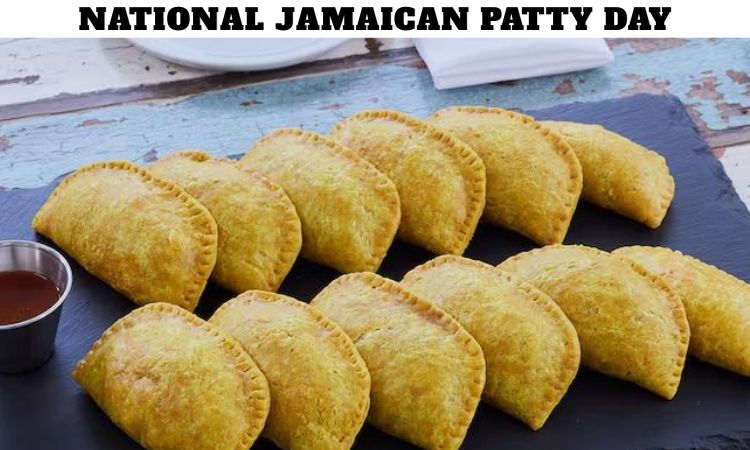
A Jamaican patty is a savory pastry made from a buttery, flaky crust that is traditionally colored golden yellow with turmeric or curry powder. The pastry is folded over a flavorful filling before being baked until crisp and golden. While the classic filling consists of seasoned ground beef, modern versions feature jerk chicken, curry goat, shrimp, lobster, vegetables, cheese, ackee, saltfish, and vegan alternatives.
Unlike many meat pies found around the world, Jamaican patties are known for their bold seasoning. Ingredients such as thyme, Scotch bonnet peppers, garlic, onions, allspice, black pepper, paprika, curry powder, and fresh herbs create a distinctive flavor that reflects Jamaica’s rich culinary traditions.
The patty is commonly enjoyed on its own, but many people pair it with coco bread, a soft, slightly sweet bread that perfectly complements the spicy filling. This combination has become a favorite street food throughout Jamaica and among Caribbean communities worldwide.
How Did the Jamaican Patty Originate?
The history of the Jamaican patty reflects the diverse cultural influences that shaped Jamaican cuisine over several centuries. Historians believe the pastry evolved from the British meat pie, which was introduced during colonial times. As local cooks adapted the recipe using available ingredients and traditional Caribbean spices, the patty gradually developed its own distinctive identity.
African culinary traditions contributed flavorful seasoning techniques, while Indian indentured laborers introduced curry spices and turmeric that helped define the pastry’s golden crust. Spanish empanadas may have also influenced the folded pastry style. The result was a unique fusion of European, African, Indian, and Caribbean culinary traditions.
Over time, Jamaican patties became affordable, portable meals that could be eaten anywhere. Vendors sold them at markets, schools, workplaces, and sporting events, making them an everyday staple across Jamaica. Today, they are recognized globally as one of the country’s most iconic foods.
Why Has the Jamaican Patty Become So Popular Worldwide?
The popularity of Jamaican patties extends far beyond the Caribbean because they offer convenience, bold flavors, and remarkable versatility. Jamaican immigrants introduced the pastry to countries including the United States, Canada, the United Kingdom, and numerous parts of Europe. Caribbean bakeries quickly became neighborhood favorites, allowing new generations to discover authentic Jamaican cuisine.
Food enthusiasts appreciate that patties can accommodate nearly every dietary preference. Traditional beef remains a classic choice, but vegetarian, vegan, seafood, and chicken options continue to expand the pastry’s appeal. Frozen patties have also become widely available in supermarkets, making it easier than ever for families to enjoy authentic Caribbean flavors at home.
The growing popularity of Caribbean cuisine, food festivals, cooking shows, and social media has further increased global appreciation for Jamaican patties. Today, many restaurants feature gourmet versions while preserving the authentic recipes that made them famous.
Why Is August 1 Significant for National Jamaican Patty Day?
August 1 carries deep historical significance in Jamaica because it commemorates Emancipation Day, marking the abolition of slavery in the British Empire in 1834. While National Jamaican Patty Day celebrates food, its timing also provides an opportunity to recognize Jamaican heritage, resilience, creativity, and cultural pride.
The Jamaican patty serves as more than just a meal. It symbolizes the blending of cultures that helped shape modern Jamaica. Celebrating this beloved food on such an important date reinforces the connection between culinary traditions and national identity.
Communities often celebrate the occasion by sharing authentic recipes, supporting local Caribbean businesses, hosting cultural events, and educating others about Jamaican history and traditions.
What Are the Most Popular Types of Jamaican Patties?
Although the classic beef patty remains the most widely recognized variety, countless fillings have emerged over the years. Spicy beef continues to be the traditional favorite thanks to its rich seasoning and satisfying texture. Mild beef versions are available for those who prefer less heat.
Chicken patties, especially jerk chicken and curry chicken, have become increasingly popular. Vegetable patties combine cabbage, carrots, potatoes, peas, and spices for a delicious vegetarian option. Seafood lovers often enjoy shrimp or lobster fillings, while cheese-filled patties provide a creamy twist.
Vegan patties featuring lentils, mushrooms, chickpeas, tofu, or plant-based meat substitutes have gained popularity as more people seek meat-free alternatives. Many bakeries continue experimenting with creative combinations while maintaining the signature flaky crust that defines a Jamaican patty.
How Can You Celebrate National Jamaican Patty Day?
Celebrating National Jamaican Patty Day can be both delicious and educational. One of the best ways to participate is by visiting a local Caribbean bakery or restaurant to enjoy freshly baked authentic patties. Supporting small businesses helps preserve traditional recipes and encourages cultural appreciation.
Cooking homemade patties is another enjoyable activity. Families can prepare different fillings together while learning about Jamaican culinary traditions. Trying recipes from multiple generations allows cooks to compare flavors and techniques that have evolved over time.
Hosting a Caribbean-themed gathering can introduce friends and family to Jamaican cuisine. Alongside patties, guests can enjoy tropical drinks, reggae music, fresh fruit, rice and peas, fried plantains, and traditional Jamaican desserts.
Sharing photos of homemade patties, recommending favorite Caribbean restaurants, or exploring documentaries about Jamaican culture are also meaningful ways to recognize the day.
What Makes an Authentic Jamaican Patty Unique?
Several characteristics distinguish an authentic Jamaican patty from other savory pastries. The crust is exceptionally flaky while remaining sturdy enough to hold the filling. Turmeric or curry powder gives the pastry its distinctive golden color and subtle earthy flavor.
The filling contains carefully balanced spices that create warmth without overwhelming the palate. Scotch bonnet peppers contribute authentic Caribbean heat, while thyme, garlic, onions, and allspice produce rich layers of flavor.
Another defining feature is portability. Jamaican patties are designed to be eaten by hand, making them a convenient meal for busy lifestyles. Despite their simplicity, achieving the perfect balance between crisp pastry and juicy filling requires considerable baking skill and experience.
Why Is the Jamaican Patty an Important Cultural Symbol?
Food often represents history, identity, and community, and the Jamaican patty perfectly illustrates this idea. It tells the story of Jamaica’s multicultural heritage by combining ingredients and cooking techniques from various cultures into a single iconic dish.
For Jamaicans living abroad, patties provide a comforting reminder of home and family traditions. Caribbean bakeries frequently become gathering places where communities celebrate their heritage while introducing others to authentic Jamaican flavors.
The patty also represents entrepreneurship. Numerous family-owned bakeries have built successful businesses around traditional recipes passed down through generations. Their continued success demonstrates how cultural foods can preserve heritage while contributing to local economies.
What Is the Future of the Jamaican Patty?
The future of the Jamaican patty looks exceptionally bright as global interest in Caribbean cuisine continues to grow. Modern chefs are developing innovative fillings while respecting traditional preparation methods. Health-conscious consumers have inspired recipes featuring whole grains, reduced-fat pastry, and plant-based ingredients without sacrificing authentic flavor.
Food festivals celebrating Caribbean cuisine continue expanding worldwide, giving Jamaican patties greater international exposure. Culinary schools increasingly include Caribbean cooking techniques in their programs, ensuring that future generations understand the cultural importance of this iconic pastry.
As more people embrace diverse global cuisines, the Jamaican patty will likely remain one of the Caribbean’s most recognizable and beloved foods for years to come.
National Jamaican Patty Day on August 1 celebrates far more than a delicious pastry. It honors Jamaica’s remarkable cultural heritage, culinary creativity, and enduring influence on global cuisine. From its fascinating multicultural origins to its worldwide popularity today, the Jamaican patty continues bringing people together through unforgettable flavors and shared traditions.
Whether you enjoy a classic spicy beef patty, a vegetarian version, or a creative modern recipe, this special day offers the perfect opportunity to appreciate one of Jamaica’s greatest culinary contributions. By supporting Caribbean businesses, preparing authentic recipes, and learning more about Jamaican history, everyone can take part in celebrating this flavorful tradition.
Frequently Asked Questions (FAQs)
1. When is National Jamaican Patty Day celebrated?
National Jamaican Patty Day is celebrated every year on August 1.
2. What is a Jamaican patty?
A Jamaican patty is a flaky baked pastry filled with seasoned meat, chicken, seafood, vegetables, or plant-based ingredients.
3. Why is the crust yellow?
The crust gets its golden color from turmeric or curry powder mixed into the pastry dough.
4. What is the traditional filling?
Seasoned spicy ground beef is the traditional and most popular filling.
5. Is a Jamaican patty spicy?
Many authentic patties are mildly to moderately spicy because they often include Scotch bonnet peppers, though milder versions are widely available.
6. Can vegetarians enjoy Jamaican patties?
Yes. Many bakeries offer vegetarian and vegan patties made with vegetables, lentils, mushrooms, or plant-based proteins.
7. What is coco bread?
Coco bread is a soft Jamaican bread commonly served with a patty to create a filling sandwich.
8. How can I celebrate National Jamaican Patty Day?
You can celebrate by eating authentic Jamaican patties, cooking them at home, supporting Caribbean bakeries, or learning about Jamaican culture.
9. Where are Jamaican patties popular outside Jamaica?
They are especially popular in the United States, Canada, the United Kingdom, and other countries with large Caribbean communities.
10. Why is August 1 associated with Jamaican culture?
August 1 marks Jamaica’s Emancipation Day, making it an important date to celebrate the country’s history, culture, and traditions.