

Why Is Liberia Independence Day Celebrated on July 26?
Liberia Independence Day is celebrated every year on July 26 to commemorate the country’s declaration of independence from the American Colonization Society in 1847. This day marks the birth of Africa’s first modern republic and one of the few African nations that successfully maintained its independence during the era of European colonial expansion. For Liberians, July 26 is much more than a national holiday. It represents freedom, self-governance, resilience, and the enduring spirit of a nation founded on the ideals of liberty and equality.
The celebration is observed across Liberia and by Liberian communities around the world. Government institutions, schools, businesses, and communities participate in various ceremonies that reflect national pride. Citizens proudly display the national flag, attend official events, enjoy cultural performances, and gather with family and friends to honor their country’s remarkable history.
Liberia’s journey to independence is unique among African nations because it was established by formerly enslaved and free African Americans who settled in West Africa during the early nineteenth century. Their vision of creating a homeland where people of African descent could live freely eventually led to the formation of an independent republic.
What Is the History Behind Liberia Independence Day?
The origins of Liberia can be traced back to 1822 when the American Colonization Society began relocating freed African Americans to the western coast of Africa. The organization believed that formerly enslaved people could establish a better future in Africa, although the colonization movement itself remains a subject of historical debate due to its complex motivations.
Over the following decades, settlements expanded and developed into organized communities. As these settlements grew stronger, local leaders recognized the need for self-rule rather than remaining under the administration of the American Colonization Society.
On July 26, 1847, Liberia officially declared its independence and adopted a constitution modeled after that of the United States. Joseph Jenkins Roberts became Liberia’s first president, leading the newly established republic. The Declaration of Independence reflected the country’s commitment to democratic governance, individual rights, and national sovereignty.
At a time when most African territories were under colonial influence or would later become colonies, Liberia stood as an independent nation. This achievement made Liberia a symbol of hope and determination for many people across Africa and the African diaspora.
How Did Liberia Become Africa’s First Modern Republic?
Liberia earned recognition as Africa’s first modern republic because it established an independent constitutional government in 1847, decades before many African nations achieved independence from European colonial powers.
The country’s founders created a presidential system with elected officials, legislative institutions, and an independent judiciary. Although Liberia faced numerous political, economic, and social challenges throughout its history, the establishment of a constitutional republic represented a groundbreaking achievement during the nineteenth century.
The nation’s independence also demonstrated that an African republic could function independently within the international community. Over time, Liberia established diplomatic relations with countries across the world and became an active participant in global affairs.
This historical milestone continues to shape Liberia’s national identity and remains a central reason why Independence Day is celebrated with such pride each year.
Why Is Liberia Independence Day Important Today?
Liberia Independence Day serves as an opportunity for citizens to reflect on the nation’s achievements while acknowledging the challenges that remain. Throughout its history, Liberia has experienced periods of political instability, civil conflict, and economic hardship. Yet the country has consistently worked toward peace, reconciliation, and national development.
The holiday reminds Liberians of the importance of democracy, unity, and responsible citizenship. It encourages people from different backgrounds, ethnic groups, and communities to celebrate their shared national identity while promoting cooperation for a stronger future.
For younger generations, Independence Day offers an opportunity to learn about Liberia’s history and understand the sacrifices made by earlier generations. Schools often organize educational activities that teach students about the country’s founding, constitution, national symbols, and democratic values.
The day also strengthens connections among Liberians living abroad, many of whom celebrate the occasion through cultural events, community gatherings, and educational programs.
How Is Liberia Independence Day Celebrated?
Celebrations begin with official ceremonies organized by the government. The President of Liberia usually delivers a national address highlighting the country’s progress, challenges, and aspirations. These speeches often emphasize unity, peace, economic development, and national pride.
Religious services are commonly held to offer prayers for the nation’s prosperity and well-being. Churches and mosques across the country conduct special services where citizens gather to express gratitude and seek blessings for Liberia’s future.
Parades are among the most anticipated events of the celebration. Schoolchildren, military personnel, police officers, community organizations, and cultural groups march proudly while carrying the national flag and wearing colorful attire. These processions showcase discipline, patriotism, and national unity.
Communities organize traditional music and dance performances that celebrate Liberia’s diverse cultural heritage. Local musicians perform folk songs alongside modern musical styles, creating a festive atmosphere enjoyed by people of all ages.
Families also gather for special meals featuring traditional Liberian cuisine. Popular dishes such as jollof rice, cassava leaf, palm butter, fried plantains, grilled fish, and pepper soup are commonly prepared during Independence Day celebrations. Sharing food strengthens family bonds and reflects Liberia’s tradition of hospitality.
Sporting events, youth competitions, cultural exhibitions, and educational programs further enrich the day’s celebrations. Fireworks and evening entertainment often conclude the festivities in larger cities.
What Are the National Symbols Honored During Liberia Independence Day?
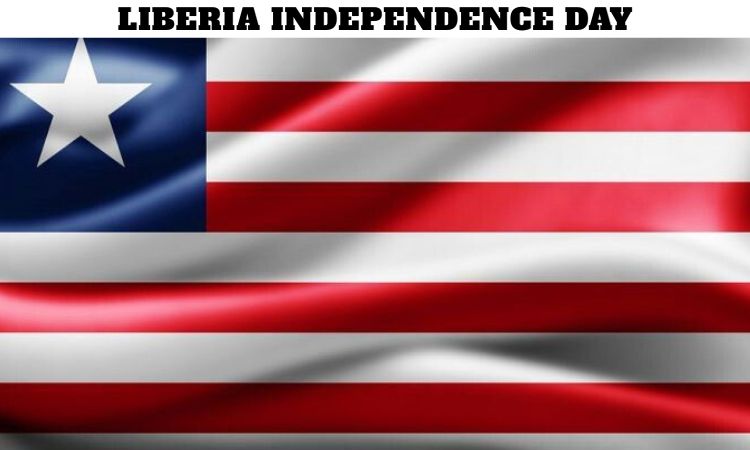
National symbols play an important role during Independence Day celebrations. The Liberian flag, featuring eleven red and white stripes with a single white star on a blue square, symbolizes the nation’s founding and commitment to liberty.
The national anthem is performed during official ceremonies, inspiring feelings of patriotism and national unity. Citizens stand respectfully while singing the anthem as a reminder of their shared identity.
The national coat of arms is another important symbol displayed during government events. It includes images representing freedom, commerce, agriculture, and Liberia’s historical connection to liberty. The motto, “The Love of Liberty Brought Us Here,” reflects the country’s unique origins and remains one of the most recognizable expressions of Liberian identity.
Government buildings, schools, businesses, and homes often decorate their premises with national colors during the holiday, creating a festive and patriotic atmosphere throughout the country.
How Does Liberia Independence Day Promote National Unity?
Liberia is home to numerous ethnic groups, languages, and cultural traditions. Independence Day provides an opportunity for all citizens to celebrate their common national identity despite cultural diversity.
Community events encourage participation from people of different backgrounds, fostering mutual understanding and cooperation. Schools organize performances where students present traditional dances, songs, and historical reenactments representing various regions of the country.
Government leaders often use the occasion to promote messages of reconciliation, peaceful coexistence, and inclusive development. Since Liberia’s civil wars left lasting impacts on many communities, Independence Day also serves as a reminder of the importance of maintaining peace and strengthening democratic institutions.
The holiday reinforces the idea that national progress depends upon cooperation among citizens, government institutions, businesses, and civil society organizations.
What Makes Liberia’s Independence Story Unique?
Liberia’s path to nationhood differs significantly from that of most African countries. Instead of gaining independence from a European colonial empire during the twentieth century, Liberia declared independence in the mid-nineteenth century after being administered by the American Colonization Society.
Its founders established democratic institutions inspired by constitutional principles while adapting them to their new African homeland. Liberia maintained its sovereignty during the “Scramble for Africa,” when many neighboring territories came under European colonial rule.
Although the country’s history includes complex relationships between settlers and indigenous communities, Liberia’s independence remains an extraordinary chapter in African history. The nation’s experience highlights themes of freedom, migration, identity, governance, and resilience that continue to resonate today.
Liberia has also played important roles in promoting regional peace, supporting international cooperation, and participating in organizations that encourage development across Africa.
What Can People Around the World Learn from Liberia Independence Day?
Liberia Independence Day offers valuable lessons about perseverance, national identity, and the importance of self-determination. The country’s history demonstrates that independence is not simply the achievement of political freedom but also an ongoing responsibility requiring good governance, education, economic development, and social unity.
The celebration encourages appreciation for democratic values, constitutional government, and peaceful dialogue. It reminds people that building a successful nation requires continuous effort from every generation.
The holiday also highlights the importance of preserving cultural traditions while embracing progress and innovation. Liberia’s rich heritage, diverse communities, and enduring commitment to freedom continue to inspire both its citizens and observers around the world.
For international audiences, learning about Liberia’s Independence Day provides greater understanding of African history beyond colonial narratives. It showcases one of the continent’s oldest republics and celebrates the resilience of a nation that has overcome significant challenges while continuing to build a brighter future.
Why Should Liberia Independence Day Continue to Be Celebrated?
Celebrating Liberia Independence Day ensures that future generations remember the country’s remarkable journey toward nationhood. National holidays strengthen historical awareness, preserve cultural traditions, and inspire civic responsibility among young people.
The annual celebration honors those who contributed to Liberia’s independence while recognizing citizens who continue working toward national progress. It encourages reflection on both achievements and areas requiring continued improvement.
As Liberia advances economically, politically, and socially, Independence Day remains an opportunity to renew commitments to democracy, peace, equality, and sustainable development. It reminds every citizen that freedom carries responsibilities as well as rights.
Whether celebrated in Monrovia, rural communities, or by Liberian diaspora groups around the world, July 26 continues to unite people through shared history, cultural pride, and hope for an even stronger future.
Liberia Independence Day on July 26 commemorates one of the most significant milestones in African history. It celebrates the establishment of Africa’s first modern republic, honors the ideals of freedom and self-governance, and recognizes the resilience of the Liberian people. Through official ceremonies, cultural performances, family gatherings, educational activities, and patriotic celebrations, the holiday strengthens national unity while preserving the country’s unique heritage. As Liberia continues its journey toward peace and development, Independence Day remains a powerful reminder that liberty, democracy, and national pride are achievements worth celebrating and protecting for generations to come.
Frequently Asked Questions (FAQs)
1. When is Liberia Independence Day celebrated?
Liberia Independence Day is celebrated every year on July 26.
2. Why is Liberia Independence Day important?
It marks Liberia’s declaration of independence in 1847 and celebrates the nation’s freedom and sovereignty.
3. Who became Liberia’s first president?
Joseph Jenkins Roberts became Liberia’s first president after independence.
4. Why is Liberia called Africa’s first modern republic?
Liberia established an independent constitutional republic in 1847, long before most African countries gained independence.
5. How do Liberians celebrate Independence Day?
They celebrate with parades, speeches, religious services, cultural performances, family gatherings, music, traditional food, and community events.
6. What is the significance of the Liberian flag?
The flag symbolizes the nation’s independence, liberty, and democratic ideals.
7. What is Liberia’s national motto?
“The Love of Liberty Brought Us Here.”
8. Is Liberia Independence Day a public holiday?
Yes, it is an official national public holiday across Liberia.
9. What traditional foods are enjoyed during the celebration?
Popular dishes include jollof rice, cassava leaf, palm butter, fried plantains, grilled fish, and pepper soup.
10. Why is Liberia’s history considered unique?
Liberia was founded by formerly enslaved and free African Americans and became one of the few African nations to maintain its independence during the colonial era.