

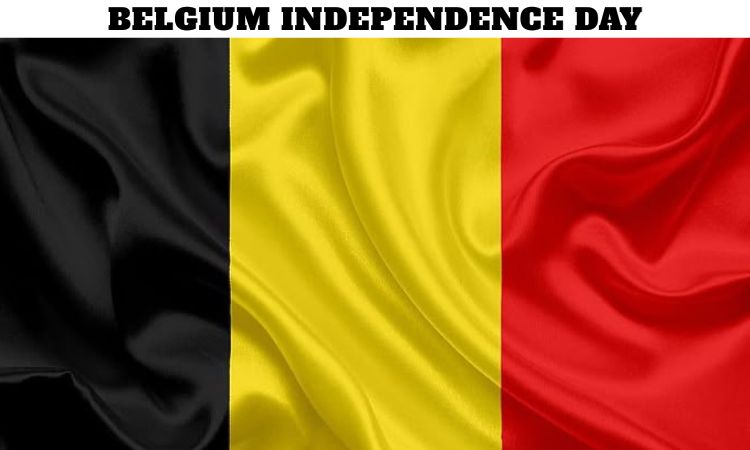
Why Is Belgium Independence Day Celebrated on July 21?
Belgium Independence Day, officially known as Belgian National Day, is celebrated every year on July 21. The date commemorates the day in 1831 when King Leopold I took the constitutional oath and became the first King of the Belgians. Although Belgium declared its independence from the United Kingdom of the Netherlands in 1830, July 21 marks the formal establishment of the Belgian constitutional monarchy and is therefore regarded as the nation’s official national day.
The holiday symbolizes Belgian sovereignty, democratic values and national unity. It is one of the most important public holidays in Belgium and is celebrated with ceremonies, parades, concerts, cultural events and fireworks throughout the country.
What Led to Belgium’s Independence?
Belgium was part of the United Kingdom of the Netherlands after the Congress of Vienna in 1815. The union brought together the largely Protestant Dutch north and the predominantly Catholic southern provinces that would later become Belgium. Over time, differences in religion, language, political representation and economic interests created growing dissatisfaction among the southern population.
In August 1830, a performance of the opera La Muette de Portici in Brussels helped ignite revolutionary sentiment. Demonstrations quickly evolved into a broader uprising against Dutch rule. The Belgian Revolution gained momentum, and by the autumn of 1830 the revolutionary forces had effectively established control over much of the territory.
On October 4, 1830, the provisional government proclaimed Belgian independence. International recognition followed gradually, and the selection of Leopold of Saxe-Coburg as king helped stabilize the new state and secure its position among European powers.
Who Was King Leopold I?
King Leopold I was born in Germany and had extensive connections with European royal families. He accepted the Belgian throne and took the constitutional oath on July 21, 1831. His accession marked the beginning of Belgium’s constitutional monarchy.
Leopold I played an important role in strengthening the new nation’s institutions, promoting diplomatic relations and helping Belgium maintain its neutrality during a period of significant political change in Europe. His reign laid many of the foundations for the modern Belgian state.
How Is Belgium Independence Day Celebrated?
Belgian National Day is celebrated across the country, but the largest festivities take place in Brussels. The celebrations combine official state ceremonies with public entertainment and community events.
Key traditions include:
- The Te Deum service attended by members of the royal family
- Military and civilian parades through central Brussels
- Demonstrations by the Belgian armed forces and emergency services
- Concerts featuring Belgian artists
- Street festivals and cultural activities
- Public markets and food events
- Evening fireworks displays
The royal family often participates in several official events during the day, reinforcing the symbolic connection between the monarchy and the Belgian state.
What Happens During the Military Parade?
The military parade is one of the highlights of Belgian National Day. It traditionally takes place in Brussels and showcases members of the Belgian Army, Air Force, Navy and various security services. Military vehicles, aircraft and ceremonial units participate in the event.
The parade is not only a display of national defense capabilities but also a tribute to public service, emergency responders and the institutions that contribute to the country’s security and stability.
What Foods Are Popular on Belgian National Day?
Belgium is famous for its cuisine, and National Day celebrations often include many traditional Belgian foods. Popular choices include:
- Belgian waffles
- French fries (frites) served with various sauces
- Moules-frites (mussels with fries)
- Belgian chocolates
- Local cheeses
- Traditional pastries
- Belgian beers for adults
Public squares and festival areas frequently feature food stalls where visitors can sample regional specialties from different parts of the country.
Why Is National Unity Important on This Day?
Belgium is a multilingual country with Dutch-speaking Flanders, French-speaking Wallonia and a smaller German-speaking community. National Day serves as a moment to emphasize the shared identity of all Belgians despite linguistic and regional differences.
Official speeches and public events often focus on cooperation, democratic values and the importance of maintaining unity within a diverse society. The holiday provides an opportunity for citizens from different communities to celebrate a common national heritage.
How Do Brussels Celebrations Differ From Other Cities?
Brussels hosts the official state ceremonies and the largest public events, attracting thousands of visitors each year. However, other Belgian cities also organize their own festivities.
In cities such as Antwerp, Ghent, Liège, Bruges and Namur, local authorities arrange concerts, community gatherings, markets and fireworks. These celebrations often highlight regional culture and traditions while still honoring the national significance of the day.
What Is the Historical Significance of the Belgian Revolution?
The Belgian Revolution was one of the important nationalist movements of the nineteenth century. It demonstrated how cultural, religious and political differences could contribute to the creation of a new nation-state. Belgium became an independent constitutional monarchy at a time when many European countries were experiencing debates over governance, representation and national identity.
The revolution also had broader diplomatic implications because major European powers negotiated Belgium’s status and eventually recognized its independence, helping shape the political balance of the region.
How Has Belgian National Day Changed Over Time?
Early celebrations were primarily focused on the monarchy and the establishment of the state. Over the decades, the holiday evolved into a broader national celebration that includes cultural performances, public participation and modern entertainment.
Today, Belgian National Day combines historical remembrance with contemporary festivities. The event reflects both the country’s nineteenth-century origins and its modern identity as a democratic, multicultural European nation.
What Role Does the Royal Family Play?
The Belgian royal family remains central to National Day observances. The King and other members of the royal family attend official ceremonies, military events and public celebrations. Their participation symbolizes continuity between Belgium’s founding in 1831 and the present day.
For many citizens, the royal family represents a unifying institution that stands above regional and political divisions.
What Makes Belgium Independence Day Unique?
Unlike some national holidays that commemorate a declaration of independence or a military victory, Belgium’s National Day marks the constitutional oath of its first king. This gives the celebration a distinctive focus on constitutional government, democratic institutions and the establishment of the Belgian state.
The holiday is also notable for its combination of official ceremony and festive public participation, reflecting both the historical seriousness of nation-building and the lively cultural character of Belgium.
Why Is July 21 Important for Belgian Identity?
July 21 serves as a reminder of Belgium’s journey from revolutionary movement to established nation. It honors the struggle for self-government, the creation of a constitutional monarchy and the development of a democratic state that has endured for nearly two centuries.
For Belgians, the day represents independence, constitutional values, cultural diversity and national solidarity. Whether through military ceremonies, family gatherings, concerts or fireworks, the celebration provides an annual opportunity to reflect on the country’s history and its future.
As Belgium continues to play an important role in Europe and the international community, National Day remains a powerful symbol of the nation’s resilience, unity and commitment to democratic principles.
Frequently Asked Questions (FAQs)
1. When is Belgium Independence Day celebrated?
Belgium Independence Day, or Belgian National Day, is celebrated annually on July 21.
2. Why is July 21 significant in Belgium?
It marks the day in 1831 when King Leopold I took the constitutional oath and became the first King of the Belgians.
3. Did Belgium become independent in 1830 or 1831?
Belgium declared independence in 1830, but July 21, 1831 commemorates the formal establishment of the constitutional monarchy.
4. What is the Belgian Revolution?
The Belgian Revolution was the uprising against Dutch rule in 1830 that led to the creation of an independent Belgian state.
5. Where are the main celebrations held?
The largest official celebrations take place in Brussels, including the military parade and royal ceremonies.
6. Is Belgium Independence Day a public holiday?
Yes, July 21 is an official public holiday throughout Belgium.
7. What events take place on Belgian National Day?
Events include military parades, concerts, cultural festivals, public ceremonies and fireworks.
8. Who was King Leopold I?
King Leopold I was the first King of the Belgians and played a key role in establishing the new nation after independence.
9. What foods are commonly enjoyed during the celebrations?
Popular foods include Belgian waffles, fries, mussels, chocolates, pastries and regional specialties.
10. Why is national unity emphasized on this day?
Belgium is a multilingual country, and National Day highlights the shared identity and cooperation of its different communities.