

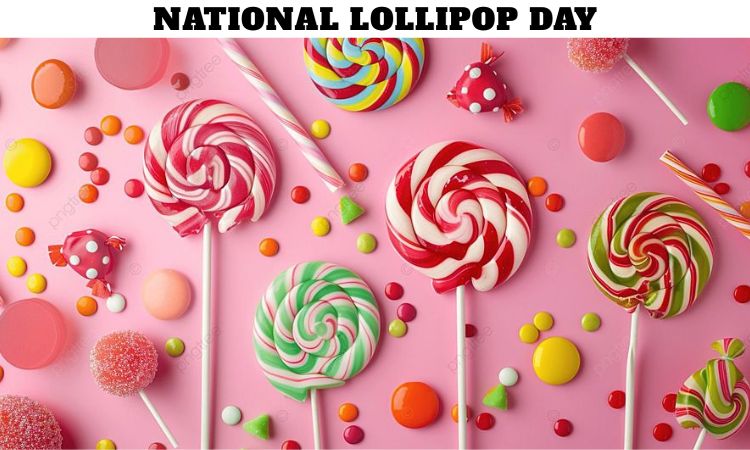
What Is National Lollipop Day and Why Is It Celebrated on July 20?
National Lollipop Day is celebrated every year on July 20 to honor one of the world’s most beloved candies. Lollipops have delighted children and adults for generations with their colorful appearance, sweet flavors, and playful design. The day serves as a reminder of the joy that simple treats can bring and offers an opportunity for people to enjoy a nostalgic candy experience. Although the exact origins of the holiday are not clearly documented, it has become widely recognized by candy lovers, retailers, and confectionery enthusiasts across the United States and beyond. The celebration highlights the cultural popularity of lollipops and their enduring place in candy history.
How Did Lollipops Become So Popular?
The concept of candy on a stick dates back thousands of years. Ancient civilizations are believed to have dipped sticks into honey or fruit syrups to create portable sweets. Modern lollipops evolved during the late nineteenth and early twentieth centuries as candy manufacturers began producing hard candy attached to sticks for convenience and cleanliness. The invention of automated lollipop-making machines helped increase production, making lollipops affordable and accessible to a wider audience. Their popularity grew rapidly because they were easy to carry, came in many flavors, and provided a longer-lasting candy experience than many other sweets.
Why Do People Love Lollipops?
Lollipops appeal to people for several reasons. They are available in countless flavors ranging from classic cherry and strawberry to more adventurous options such as watermelon, cotton candy, and sour apple. Their bright colors and unique shapes make them visually attractive, while the act of slowly enjoying a lollipop creates a longer-lasting treat. For many adults, lollipops also evoke childhood memories of school fairs, birthday parties, amusement parks, and neighborhood candy stores. This combination of flavor, appearance, and nostalgia helps explain why lollipops remain popular across different age groups.
What Are the Most Popular Lollipop Flavors?
Traditional fruit flavors continue to dominate the lollipop market. Cherry, strawberry, grape, orange, and watermelon are consistently among the best-selling choices. Sour varieties have also gained a strong following, especially among teenagers and young adults. In recent years, candy makers have introduced gourmet flavors such as caramel, chocolate, cappuccino, and tropical fruit blends. Some specialty companies even produce spicy lollipops featuring ingredients like chili powder or cinnamon for consumers seeking a unique taste experience.
How Is National Lollipop Day Celebrated?
People celebrate National Lollipop Day in many creative ways. Families often buy assorted lollipops and share them with children, friends, and neighbors. Candy stores may offer special discounts or limited-edition flavors, while schools, community centers, and businesses sometimes organize themed events. Social gatherings featuring colorful candy displays are also common. Some people use the occasion to make homemade lollipops, experimenting with different flavors, colors, and molds. Others simply enjoy their favorite lollipop while reminiscing about childhood memories.
Can You Make Lollipops at Home?
Yes, homemade lollipops are surprisingly easy to make. Basic recipes typically require sugar, corn syrup, water, flavoring extracts, food coloring, and lollipop sticks. The mixture is heated until it reaches the hard-crack stage, then poured into molds and allowed to cool. Homemade lollipops offer the advantage of customization, allowing people to create unique flavor combinations and decorative designs. They can also be packaged as gifts for birthdays, holidays, or special events.
What Are Some Interesting Facts About Lollipops?
- The term “lollipop” became widely used in the early twentieth century.
- Lollipops were originally considered a convenient way to enjoy hard candy without getting sticky hands.
- Some of the largest lollipops ever created weighed thousands of pounds.
- Many dentists recommend sugar-free lollipops as a better alternative to traditional sugary versions.
- Lollipops are sold in virtually every country and appear in countless local flavor variations.
Are Sugar-Free Lollipops a Better Choice?
For people who want to reduce their sugar intake, sugar-free lollipops can be a useful alternative. These products are often sweetened with sugar substitutes that provide sweetness without the same impact on blood sugar levels. While they should still be consumed in moderation, they are generally considered a more tooth-friendly option than regular lollipops. Many pharmacies and health-focused candy brands now offer a wide range of sugar-free flavors.
How Have Lollipops Influenced Popular Culture?
Lollipops have appeared in movies, television shows, advertisements, music videos, and artwork for decades. They are frequently used as symbols of childhood, innocence, fun, and sweetness. Iconic candy brands have become recognizable cultural symbols, and lollipops often feature in party decorations, costumes, and themed events. Their distinctive shape and vibrant colors make them an easily identifiable element of popular culture.
What Are Some Creative Ways to Celebrate National Lollipop Day?
One fun idea is to host a lollipop tasting party with different flavors and brands. Guests can vote for their favorites and discover new varieties. Another option is to create a candy bouquet using assorted lollipops arranged like flowers. Teachers and parents can organize educational activities about the history of candy making, while businesses can offer lollipops to customers as a cheerful promotional gesture. Craft enthusiasts may also use lollipops in decorative projects such as centerpieces, gift baskets, or party favors.
Why Does National Lollipop Day Appeal to All Ages?
Unlike many trends that target a specific age group, lollipops have universal appeal. Children enjoy their sweetness and colorful appearance, while adults often appreciate the nostalgia associated with them. Grandparents may remember buying lollipops for a few cents, parents may recall receiving them as rewards, and younger generations continue to enjoy new flavors and innovative candy designs. This shared experience across generations makes National Lollipop Day a uniquely inclusive celebration.
What Is the Economic Impact of Lollipops?
The global candy industry generates billions of dollars each year, and lollipops represent an important segment of that market. They are sold in supermarkets, convenience stores, candy shops, pharmacies, amusement parks, and online retailers. Seasonal promotions and holiday-themed lollipops contribute significantly to sales. The affordability of lollipops also makes them one of the most accessible candy products for consumers worldwide.
How Can Parents Celebrate National Lollipop Day Responsibly?
Parents can make the holiday enjoyable while promoting healthy habits. Offering lollipops as an occasional treat rather than a daily snack helps maintain balance. Pairing the celebration with activities such as crafts, games, or baking can shift the focus from candy consumption alone. Encouraging children to brush their teeth after enjoying sweets is another practical way to celebrate responsibly.
What Makes July 20 a Special Date for Candy Lovers?
July 20 provides candy enthusiasts with a dedicated occasion to appreciate one of the simplest yet most enduring treats ever created. In the middle of summer, lollipops add a festive touch to picnics, family gatherings, vacations, and community events. Their portability makes them ideal for outdoor celebrations, and their wide variety of flavors ensures that there is something for everyone to enjoy.
Why Will Lollipops Continue to Be Popular in the Future?
The enduring popularity of lollipops comes from their ability to adapt to changing consumer preferences. Manufacturers continue to introduce new flavors, organic ingredients, sugar-free options, and creative packaging. At the same time, the classic appeal of a simple hard candy on a stick remains unchanged. This blend of tradition and innovation ensures that lollipops will continue to delight future generations.
Frequently Asked Questions (FAQs)
1. When is National Lollipop Day celebrated?
National Lollipop Day is celebrated every year on July 20.
2. What is the purpose of National Lollipop Day?
The holiday celebrates the history, popularity, and enjoyment of lollipops.
3. Who invented the modern lollipop?
Several candy makers contributed to the development of modern lollipops, and automated production in the early twentieth century helped popularize them.
4. What are the most popular lollipop flavors?
Cherry, strawberry, grape, orange, and watermelon are among the most popular flavors.
5. Can lollipops be made at home?
Yes, homemade lollipops can be made using sugar, syrup, flavoring, coloring, and lollipop sticks.
6. Are sugar-free lollipops available?
Yes, many brands offer sugar-free lollipops made with alternative sweeteners.
7. How do people celebrate National Lollipop Day?
Common celebrations include sharing lollipops, hosting candy parties, making homemade treats, and visiting candy stores.
8. Are lollipops popular outside the United States?
Yes, lollipops are enjoyed worldwide and are available in many regional flavors.
9. What makes lollipops different from other candies?
The stick allows people to enjoy hard candy more conveniently and for a longer period.
10. Why are lollipops associated with childhood?
Many people receive lollipops as treats, rewards, or gifts during childhood, creating strong nostalgic memories.