

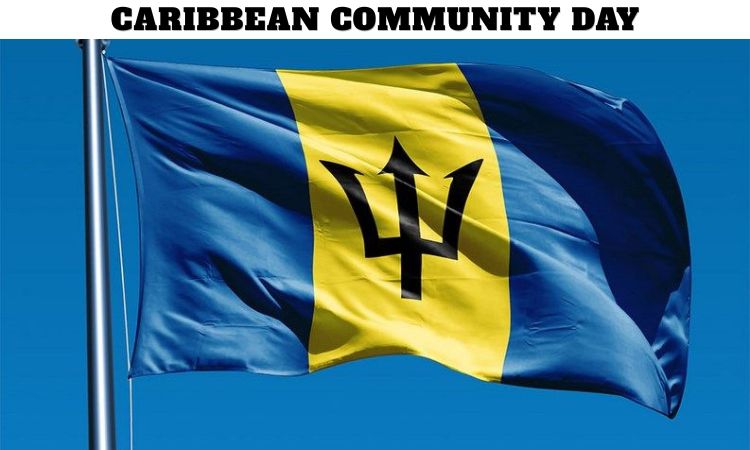
What Is Caribbean Community Day?
Caribbean Community Day, observed annually on July 6, celebrates the establishment, achievements, and shared vision of the Caribbean Community (CARICOM). The day recognizes the importance of regional cooperation among Caribbean nations and highlights the organization’s ongoing efforts to promote economic integration, social development, cultural unity, and sustainable growth across the region.
Caribbean Community Day serves as an opportunity for governments, educational institutions, businesses, and citizens to reflect on the progress made through regional collaboration. It also encourages greater awareness of the Caribbean’s rich cultural diversity, shared history, and collective aspirations for prosperity and resilience.
Although celebrations may vary among member states, the observance reinforces the values of partnership, mutual respect, and regional solidarity that have guided CARICOM for decades.
Why Is Caribbean Community Day Celebrated on July 6?
Caribbean Community Day is celebrated on July 6 because it commemorates the signing of the Treaty of Chaguaramas in 1973, which established the Caribbean Community (CARICOM). While the treaty was signed on July 4, 1973, many member countries observe the regional holiday on the first Monday in July, which frequently falls on or around July 6. In years when the first Monday is July 6, the observance is celebrated on that date.
The founding members—Barbados, Guyana, Jamaica, and Trinidad and Tobago—created CARICOM to strengthen economic cooperation, improve living standards, and promote closer political and social ties throughout the Caribbean.
Today, Caribbean Community Day celebrates not only the organization’s founding but also the ongoing commitment of member states to work together for regional development and shared success.
What Is CARICOM?
The Caribbean Community (CARICOM) is a regional organization that promotes cooperation among Caribbean countries in areas such as trade, education, health, security, environmental protection, foreign policy, and economic development.
CARICOM seeks to improve the quality of life of Caribbean citizens by encouraging collaboration between member governments and creating opportunities for sustainable growth.
Its primary objectives include:
- Promoting economic integration.
- Supporting regional trade.
- Enhancing educational opportunities.
- Improving healthcare cooperation.
- Encouraging environmental sustainability.
- Strengthening disaster preparedness.
- Promoting food security.
- Supporting democratic governance.
- Expanding cultural exchange.
- Enhancing regional security.
Through these efforts, CARICOM continues to play an essential role in shaping the future of the Caribbean.
Which Countries Are Members of CARICOM?
CARICOM consists of 15 full member states representing diverse cultures, languages, and island and mainland territories.
Current members include:
- Antigua and Barbuda
- Bahamas
- Barbados
- Belize
- Dominica
- Grenada
- Guyana
- Haiti
- Jamaica
- Montserrat
- Saint Kitts and Nevis
- Saint Lucia
- Saint Vincent and the Grenadines
- Suriname
- Trinidad and Tobago
Several associate members also participate in aspects of regional cooperation.
Together, these countries represent millions of people working toward common economic and social goals while preserving their individual national identities.
Why Was CARICOM Created?
CARICOM was established because Caribbean leaders recognized that regional cooperation would help address common challenges more effectively than individual countries acting alone.
Many Caribbean nations share similar characteristics, including:
- Small populations.
- Island geography.
- Vulnerability to hurricanes.
- Dependence on international trade.
- Tourism-based economies.
- Agricultural development.
- Climate change concerns.
- Limited natural resources.
- Shared colonial history.
- Cultural connections.
By working together, member states can strengthen their negotiating power internationally while promoting sustainable economic growth and regional stability.
How Does CARICOM Benefit the Caribbean?
CARICOM provides numerous benefits to its member countries.
Some of the most significant include:
- Increased regional trade.
- Greater economic cooperation.
- Educational exchange programs.
- Collaborative healthcare initiatives.
- Coordinated disaster response.
- Shared environmental policies.
- Improved transportation cooperation.
- Cultural preservation.
- Workforce mobility in certain professions.
- Stronger diplomatic representation.
Regional institutions supported by CARICOM contribute to research, education, public health, justice, and economic planning, benefiting citizens across the Caribbean.
The organization also encourages innovation and investment while helping member states respond collectively to global challenges.
How Is Caribbean Community Day Celebrated?
Caribbean Community Day is observed in different ways throughout the region.
Common celebrations include:
- Official government ceremonies.
- Educational programs.
- School activities.
- Community festivals.
- Cultural performances.
- Public lectures.
- Exhibitions.
- Music concerts.
- Traditional dance performances.
- Regional conferences.
Many schools organize lessons about Caribbean history, geography, and regional cooperation to help students understand the importance of CARICOM.
Governments and organizations often highlight successful regional projects while encouraging continued collaboration among member states.
What Makes Caribbean Culture So Unique?
The Caribbean is known for its remarkable cultural diversity.
Its traditions reflect influences from:
- Indigenous peoples.
- African heritage.
- European settlers.
- Indian communities.
- Chinese immigrants.
- Middle Eastern cultures.
This rich heritage is visible in:
- Music.
- Dance.
- Cuisine.
- Festivals.
- Literature.
- Language.
- Art.
- Architecture.
- Religious traditions.
- Folklore.
Caribbean music genres such as reggae, calypso, soca, zouk, dancehall, and steelpan have gained international recognition.
Regional cuisine also showcases an incredible variety of flavors, spices, seafood, tropical fruits, and locally grown ingredients.
Caribbean Community Day celebrates this shared cultural richness while respecting each nation’s unique identity.
What Challenges Does CARICOM Address?
The Caribbean faces several shared challenges that require regional cooperation.
These include:
- Climate change.
- Hurricane preparedness.
- Coastal erosion.
- Food security.
- Public health emergencies.
- Economic diversification.
- Youth employment.
- Education.
- Energy sustainability.
- Maritime security.
By developing common policies and sharing resources, CARICOM helps member states respond more effectively to these issues while promoting long-term resilience.
The organization also works with international partners to strengthen regional development initiatives.
What Are Some Interesting Facts About CARICOM?
CARICOM has played an important role in Caribbean cooperation for more than five decades.
Interesting facts include:
- CARICOM was established in 1973.
- The Treaty of Chaguaramas created the organization.
- Four countries founded CARICOM.
- There are 15 full member states.
- English is the primary working language, though member states also use French, Dutch, and Haitian Creole.
- The Caribbean Single Market and Economy supports economic integration.
- CARICOM promotes free movement for certain skilled professionals.
- Regional cooperation extends to education, health, and disaster management.
- The Caribbean is one of the world’s most culturally diverse regions.
- Caribbean Community Day celebrates regional unity and shared progress.
How Can People Celebrate Caribbean Community Day?
People can celebrate Caribbean Community Day in many meaningful ways.
Ideas include:
- Learning about CARICOM.
- Exploring Caribbean history.
- Reading Caribbean literature.
- Listening to Caribbean music.
- Preparing traditional Caribbean dishes.
- Attending cultural festivals.
- Supporting Caribbean businesses.
- Watching documentaries about the region.
- Participating in educational discussions.
- Sharing knowledge about Caribbean culture and cooperation.
These activities help promote greater appreciation of the Caribbean’s diversity and the importance of regional collaboration.
Why Does Caribbean Community Day Continue to Matter Today?
Caribbean Community Day remains highly relevant because the region continues to face both opportunities and shared challenges.
Regional cooperation allows member states to strengthen their economies, protect natural resources, respond to natural disasters, improve education and healthcare, and increase their influence in international affairs.
The observance also reminds Caribbean citizens of the importance of unity, mutual support, and collective progress while celebrating the extraordinary cultural heritage that connects the region.
As CARICOM continues to evolve, Caribbean Community Day stands as a symbol of cooperation, resilience, and hope for a stronger and more prosperous Caribbean.
Frequently Asked Questions (FAQs)
1. When is Caribbean Community Day celebrated?
Caribbean Community Day is observed on the first Monday in July, which falls on July 6 in some years.
2. What is Caribbean Community Day?
It is a regional observance celebrating the Caribbean Community (CARICOM), its achievements, and regional cooperation.
3. What does CARICOM stand for?
CARICOM stands for the Caribbean Community.
4. When was CARICOM established?
CARICOM was established through the Treaty of Chaguaramas on July 4, 1973.
5. Who were the founding members of CARICOM?
The founding members were Barbados, Guyana, Jamaica, and Trinidad and Tobago.
6. How many full member states does CARICOM have?
CARICOM currently has 15 full member states.
7. How is Caribbean Community Day celebrated?
People celebrate through educational programs, cultural festivals, official ceremonies, concerts, exhibitions, and community activities.
8. What are CARICOM’s main goals?
Its goals include economic integration, sustainable development, regional cooperation, education, healthcare, trade, and security.
9. Why is CARICOM important?
CARICOM strengthens regional cooperation, promotes economic growth, and helps member states address common challenges.
10. How can individuals celebrate Caribbean Community Day?
They can learn about Caribbean history, enjoy Caribbean cuisine and music, support Caribbean businesses, and participate in educational and cultural events.