

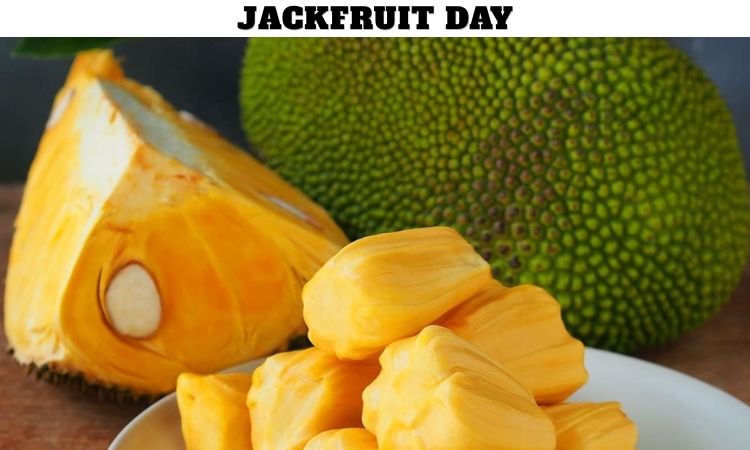
What Is Jackfruit Day?
Jackfruit Day, observed annually on July 4, is a special occasion dedicated to celebrating jackfruit, one of the most versatile and nutritious tropical fruits in the world. Recognized for its enormous size, distinctive flavor, and remarkable culinary adaptability, jackfruit has gained global popularity among food lovers, health enthusiasts, and plant-based eaters.
Native to South and Southeast Asia, jackfruit has been cultivated for centuries and remains a staple food in many tropical countries. In recent years, it has attracted international attention due to its ability to serve as a meat substitute in vegetarian and vegan dishes.
Jackfruit Day encourages people to appreciate this extraordinary fruit, explore its nutritional value, experiment with new recipes, and recognize its contribution to sustainable agriculture and food security.
Why Is Jackfruit Day Celebrated on July 4?
Jackfruit Day on July 4 serves as an opportunity to highlight the growing importance of jackfruit in modern diets and agricultural systems. While the exact origins of the observance are not widely documented, the day has become a celebration of the fruit’s many benefits and cultural significance.
The celebration recognizes jackfruit’s expanding presence in international cuisine. As consumers increasingly seek healthy and environmentally friendly food choices, jackfruit has emerged as a preferred ingredient due to its versatility and nutritional profile.
The day also raises awareness about supporting local farmers who cultivate jackfruit and promotes sustainable food production practices. By celebrating Jackfruit Day, communities acknowledge the fruit’s economic, cultural, and environmental importance.
What Makes Jackfruit Unique Among Fruits?
Jackfruit is widely regarded as one of the most fascinating fruits in the world. It is notable for being the largest tree-borne fruit, with some fruits weighing more than 80 pounds.
Several characteristics make jackfruit unique:
- It grows directly from the trunk and branches of trees.
- It can be eaten both ripe and unripe.
- Every part of the fruit, including seeds, is edible after proper preparation.
- It has a naturally fibrous texture similar to shredded meat.
- It contains numerous nutrients beneficial for overall health.
Ripe jackfruit offers a sweet, tropical flavor often compared to a combination of mango, banana, pineapple, and papaya. Unripe jackfruit, on the other hand, possesses a neutral taste that readily absorbs spices and seasonings, making it ideal for savory dishes.
These qualities have transformed jackfruit into a culinary favorite worldwide.
How Did Jackfruit Become Popular Around the World?
Jackfruit originated in the rainforests of India and has been cultivated throughout South and Southeast Asia for thousands of years. Over time, trade and migration introduced the fruit to other tropical regions, including Africa, the Caribbean, and Latin America.
Global popularity increased significantly during the past decade, largely due to the rise of plant-based diets. Chefs and food manufacturers discovered that young jackfruit’s texture closely resembles pulled pork or shredded chicken when cooked.
As awareness of vegan and vegetarian lifestyles expanded, restaurants and grocery stores began incorporating jackfruit into menus and product offerings. Today, jackfruit appears in tacos, burgers, curries, sandwiches, salads, and numerous innovative dishes.
Its versatility, affordability, and sustainability have helped establish jackfruit as an internationally recognized superfood.
What Are the Nutritional Benefits of Jackfruit?
Jackfruit is packed with essential vitamins, minerals, antioxidants, and dietary fiber, making it a valuable addition to a balanced diet.
Some notable nutritional benefits include:
- Rich in Vitamin C: Jackfruit supports immune health and helps protect cells against oxidative stress.
- Good Source of Dietary Fiber: Fiber promotes healthy digestion, supports gut health, and contributes to feelings of fullness.
- Contains Antioxidants: Compounds such as carotenoids and flavonoids help combat free radicals in the body.
- Provides Essential Minerals: Jackfruit contains potassium, magnesium, calcium, and iron, which support various bodily functions.
- Supports Energy Production: The fruit supplies carbohydrates that provide a natural source of energy.
- Low in Fat: Jackfruit is naturally low in fat, making it suitable for many healthy eating plans.
- When consumed as part of a varied diet, jackfruit can contribute to overall wellness and nutritional balance.
Why Is Jackfruit Considered a Sustainable Food Source?
As concerns about climate change and food security continue to grow, jackfruit has gained recognition as a sustainable agricultural crop.
Jackfruit trees are highly productive and resilient. A single tree can produce hundreds of fruits annually, yielding substantial amounts of food with relatively low maintenance requirements.
Additional sustainability advantages include:
- Trees can thrive in tropical climates with minimal chemical inputs.
- Jackfruit trees help prevent soil erosion.
- The crop contributes to biodiversity in agricultural systems.
- The fruit’s high yield supports food security in developing regions.
- Nearly every part of the fruit can be utilized, reducing food waste.
Because of these characteristics, agricultural experts increasingly view jackfruit as an important crop for future food systems.
How Is Jackfruit Used in Different Cuisines?
Jackfruit occupies a prominent place in culinary traditions across many countries.
In India, unripe jackfruit is commonly cooked in curries, stews, and spicy vegetable dishes. In Bangladesh and Sri Lanka, it is often considered a national treasure and is incorporated into everyday meals.
Across Southeast Asia, ripe jackfruit is enjoyed fresh, dried, or added to desserts. It is frequently used in ice creams, puddings, sweet soups, and pastries.
In Western countries, jackfruit has become popular as a plant-based alternative in dishes such as:
- Pulled jackfruit sandwiches
- Vegan tacos
- Burgers
- Stir-fries
- Burritos
- Pizza toppings
- Barbecue dishes
The seeds are also edible and can be boiled, roasted, or ground into flour.
This broad culinary appeal continues to drive the fruit’s international popularity.
How Can People Celebrate Jackfruit Day?
Jackfruit Day provides numerous opportunities to celebrate and enjoy this remarkable fruit.
One of the simplest ways to participate is by preparing a jackfruit-based meal at home. Individuals can experiment with traditional recipes or create new dishes using fresh, canned, or frozen jackfruit.
Other ways to celebrate include:
- Visiting local farmers’ markets to purchase fresh jackfruit.
- Supporting growers and agricultural businesses that cultivate jackfruit.
- Learning about the fruit’s cultural history and agricultural significance.
- Sharing recipes with family and friends.
- Hosting a tropical-themed meal featuring jackfruit dishes.
- Trying vegan recipes that use jackfruit as a meat substitute.
Educational institutions and community organizations may also organize cooking demonstrations, nutrition workshops, and food festivals to mark the occasion.
Why Is Jackfruit Important to Farmers and Local Economies?
Jackfruit cultivation provides economic opportunities for farmers throughout tropical regions. The fruit’s increasing international demand has created new markets and income sources for producers.
Beyond fresh fruit sales, value-added products such as chips, flour, preserves, frozen products, and packaged foods further contribute to economic growth.
Small-scale farmers particularly benefit from jackfruit because the trees can remain productive for decades. Since multiple components of the fruit are marketable, producers can maximize returns while minimizing waste.
The expanding global market for plant-based foods is expected to continue driving demand for jackfruit, creating additional opportunities for agricultural communities.
What Does the Future Hold for Jackfruit?
The future of jackfruit appears promising as consumers increasingly prioritize healthy, sustainable, and plant-based foods.
Researchers continue exploring improved cultivation methods, disease-resistant varieties, and innovative processing technologies. Food companies are developing new products that feature jackfruit as a primary ingredient.
As awareness grows, jackfruit may play a larger role in addressing global challenges related to nutrition, sustainability, and food security.
Jackfruit Day serves as an annual reminder of the fruit’s extraordinary potential and encourages people worldwide to appreciate its many benefits. Whether enjoyed fresh, cooked, or incorporated into creative recipes, jackfruit remains one of nature’s most versatile and valuable foods.
Frequently Asked Questions (FAQs)
1. When is Jackfruit Day celebrated?
Jackfruit Day is celebrated every year on July 4.
2. What is Jackfruit Day?
It is a food observance dedicated to celebrating jackfruit, its health benefits, and its culinary importance.
3. Where did jackfruit originate?
Jackfruit originated in the tropical regions of South Asia, particularly India.
4. Why is jackfruit popular among vegans?
Young jackfruit has a meat-like texture that makes it an excellent plant-based substitute.
5. Is jackfruit healthy?
Yes, jackfruit is rich in vitamins, minerals, antioxidants, and dietary fiber.
6. Can jackfruit be eaten raw?
Yes, ripe jackfruit can be eaten fresh, while unripe jackfruit is usually cooked.
7. Are jackfruit seeds edible?
Yes, jackfruit seeds are edible when properly cooked.
8. What does ripe jackfruit taste like?
Ripe jackfruit has a sweet flavor often compared to banana, mango, and pineapple.
9. Why is jackfruit considered sustainable?
Jackfruit trees produce high yields with relatively low agricultural inputs, making them environmentally friendly.
10. How can people celebrate Jackfruit Day?
People can celebrate by cooking jackfruit recipes, supporting local farmers, and learning more about the fruit.