What Is Virgin Islands Day and Why Is It Celebrated on July 1?
Virgin Islands Day is celebrated annually on July 1 to honor the rich history, vibrant culture, and enduring heritage of the Virgin Islands. The observance serves as a special occasion for residents and people of Virgin Islands heritage worldwide to celebrate their identity, traditions, achievements, and contributions to the Caribbean region.
The Virgin Islands, located in the Caribbean Sea, consist primarily of the United States Virgin Islands and the British Virgin Islands. Both territories possess unique histories shaped by Indigenous cultures, European colonization, African heritage, and Caribbean traditions.
Virgin Islands Day provides an opportunity to recognize the islands’ cultural diversity, historical journey, and the resilience of their people. The day is marked through cultural performances, educational activities, traditional music, local cuisine, community events, and patriotic celebrations.
For many island residents, the observance is an important reminder of their shared heritage and commitment to preserving their unique cultural identity for future generations.
How Did Virgin Islands Day Begin?
The origins of Virgin Islands Day are closely connected to efforts aimed at preserving and celebrating the history and cultural identity of the Virgin Islands.
Throughout history, the islands experienced significant political, social, and economic changes. Colonial influences from several European powers, combined with African and Indigenous traditions, created a rich and distinctive cultural landscape.
Community leaders, educators, and cultural organizations recognized the importance of dedicating a day to promoting awareness of Virgin Islands heritage. Over time, Virgin Islands Day evolved into an annual observance highlighting the region’s historical significance and cultural achievements.
The celebration encourages residents and visitors alike to learn more about the islands’ past while appreciating the traditions that continue shaping contemporary society.
Today, Virgin Islands Day remains an important cultural observance that strengthens community bonds and promotes pride in local heritage.
Where Are the Virgin Islands Located?
The Virgin Islands are situated in the northeastern Caribbean, east of Puerto Rico and west of the Leeward Islands.
The archipelago is divided into two principal political territories:
- The United States Virgin Islands
- The British Virgin Islands
The United States Virgin Islands include:
- Saint Thomas
- Saint John
- Saint Croix
- Water Island
The British Virgin Islands consist of:
- Tortola
- Virgin Gorda
- Anegada
- Jost Van Dyke
- Numerous smaller islands and cays
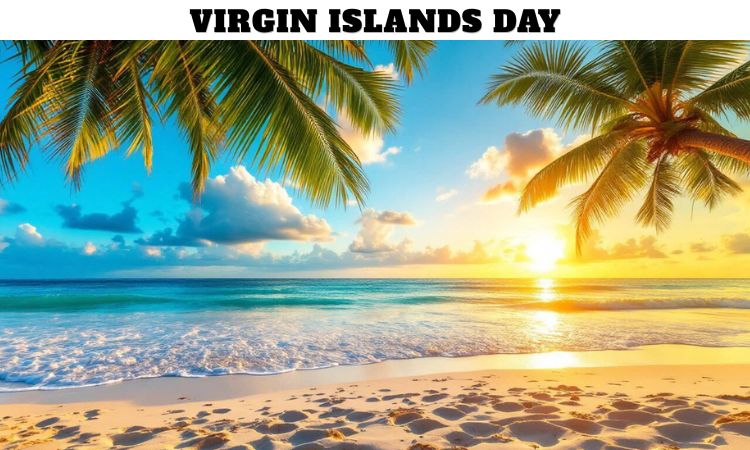
These islands are renowned for their stunning beaches, tropical landscapes, coral reefs, and vibrant cultural traditions.
Their strategic Caribbean location has played an important role in shaping their historical development.
What Is the Historical Background of the Virgin Islands?
The history of the Virgin Islands extends back thousands of years.
Long before European exploration, Indigenous peoples inhabited the islands. Archaeological evidence suggests that groups such as the Ciboney, Arawak, and Carib peoples established communities throughout the region.
European contact began in 1493 when Christopher Columbus encountered the islands during his second voyage to the Americas. He named the islands after Saint Ursula and her legendary followers.
Over subsequent centuries, several European powers controlled portions of the islands, including:
- Spain
- Denmark
- Britain
- France
- The Netherlands
Colonial economies relied heavily on plantation agriculture, particularly sugar production, which led to the forced migration and enslavement of Africans.
The legacy of African heritage profoundly influenced the islands’ language, music, cuisine, religion, and cultural traditions.
The United States purchased the Danish West Indies, now known as the United States Virgin Islands, from Denmark in 1917.
This complex historical journey remains central to Virgin Islands identity and is frequently explored during Virgin Islands Day celebrations.
Why Is Virgin Islands Day Important?
Virgin Islands Day holds great importance because it celebrates cultural identity, historical awareness, and community pride.
The observance serves several important purposes:
- Preserving local traditions
- Promoting historical education
- Encouraging cultural appreciation
- Strengthening community unity
- Honoring ancestors and heritage
- Inspiring future generations
For many residents, the holiday represents an opportunity to reflect upon both historical challenges and contemporary achievements.
It also reinforces the importance of protecting cultural practices, historical landmarks, and traditional knowledge.
Virgin Islands Day helps ensure that younger generations remain connected to their heritage while embracing future opportunities.
How Is Virgin Islands Day Celebrated?
Virgin Islands Day celebrations often feature a variety of cultural and educational activities.
Common observances include:
- Cultural festivals
- Traditional music performances
- Folk dancing
- Historical exhibitions
- Educational presentations
- Community gatherings
- Storytelling events
- Parades
- Art displays
- Culinary celebrations
Local schools frequently organize programs focused on the islands’ history, traditions, and notable figures.
Communities may also host performances featuring traditional Caribbean musical styles, including quelbe, calypso, reggae, and steel pan music.
Family gatherings play an important role, as relatives come together to celebrate shared heritage and traditions.
These festivities promote cultural pride and foster stronger community relationships.
What Cultural Traditions Are Associated with the Virgin Islands?
The Virgin Islands possess a rich cultural heritage shaped by African, European, and Caribbean influences.
Important cultural traditions include:
- Storytelling
- Folk music
- Traditional dance
- Carnival celebrations
- Handcrafted arts
- Oral history preservation
Music occupies a particularly significant place in Virgin Islands culture.
Traditional musical styles often feature lively rhythms, percussion instruments, and storytelling themes reflecting everyday experiences and historical events.
Carnival celebrations, although held separately from Virgin Islands Day, also represent an important expression of local culture through colorful costumes, parades, and performances.
Traditional crafts such as basket weaving, wood carving, and textile arts continue preserving historical knowledge and artistic traditions.
Virgin Islands Day provides an opportunity to showcase and celebrate these cultural expressions.
What Traditional Foods Are Enjoyed in the Virgin Islands?
Cuisine forms an essential component of Virgin Islands culture.
Traditional dishes reflect the islands’ diverse heritage and abundant natural resources.
Popular foods include:
- Fungi
- Fish and fungi
- Callaloo
- Johnny cakes
- Pates
- Stewed saltfish
- Goat water stew
- Rice and peas
- Seafood dishes
Fresh fish, tropical fruits, root vegetables, and locally grown spices frequently appear in traditional recipes.
Family meals and community feasts often play an important role during cultural celebrations.
Preparing and sharing traditional foods helps preserve culinary heritage while strengthening social connections.
Virgin Islands Day encourages appreciation for these longstanding food traditions.
How Do Schools Observe Virgin Islands Day?
Educational institutions play a vital role in commemorating Virgin Islands Day.
Schools frequently organize activities designed to teach students about:
- Local history
- Cultural traditions
- Historical figures
- Indigenous heritage
- Community values
Common school activities include:
- Essay competitions
- Historical presentations
- Cultural performances
- Art exhibitions
- Traditional music demonstrations
- Storytelling sessions
Students often participate in research projects exploring various aspects of Virgin Islands history and culture.
These educational initiatives help preserve cultural knowledge and inspire pride among younger generations.
Virgin Islands Day serves as an important opportunity for civic education and historical reflection.
Who Are Some Important Historical Figures in Virgin Islands History?
Numerous individuals have contributed significantly to the history and development of the Virgin Islands.
Important figures include:
- David Hamilton Jackson
- Queen Mary Thomas
- Rothschild Francis
- Edward Wilmot Blyden
- Alton Augustus Adams Sr.
These leaders made contributions in areas such as:
- Civil rights
- Journalism
- Education
- Music
- Political advocacy
Their efforts helped shape social progress, cultural preservation, and political development within the islands.
Virgin Islands Day often includes recognition of these influential individuals and their enduring legacies.
Learning about their achievements helps residents appreciate the sacrifices and accomplishments that contributed to modern Virgin Islands society.
How Does Tourism Influence the Virgin Islands Today?
Tourism represents one of the most important economic sectors in the Virgin Islands.
Visitors from around the world are attracted by:
- Beautiful beaches
- Coral reefs
- Marine activities
- Historical sites
- Cultural festivals
- Tropical climate
Tourism supports employment opportunities and contributes significantly to economic development.
At the same time, residents recognize the importance of balancing tourism growth with environmental conservation and cultural preservation.
Virgin Islands Day encourages awareness of the need to protect natural resources and cultural heritage while supporting sustainable economic development.
Responsible stewardship ensures that future generations can continue enjoying and benefiting from the islands’ unique assets.
Why Does Virgin Islands Day Continue to Matter Today?
Virgin Islands Day remains highly relevant because it celebrates identity, resilience, and cultural continuity.
In an increasingly interconnected world, preserving local traditions and historical knowledge remains essential.
The observance reminds residents of:
- Their shared heritage
- Cultural achievements
- Historical struggles
- Community values
- Future responsibilities
Virgin Islands Day also promotes intercultural understanding by introducing visitors and younger generations to the islands’ rich heritage.
The celebration strengthens community bonds while inspiring ongoing efforts to preserve cultural traditions.
What Can We Learn from Virgin Islands Day?
Virgin Islands Day teaches important lessons about resilience, cultural preservation, and community pride.
The observance demonstrates how diverse cultural influences can combine to create vibrant and enduring traditions.
It also highlights the importance of remembering history, honoring ancestors, and preserving heritage for future generations.
By celebrating Virgin Islands Day, communities reaffirm their commitment to cultural continuity, education, and unity.
Virgin Islands Day, observed annually on July 1, celebrates the remarkable history, diverse culture, and enduring spirit of the Virgin Islands. Through educational programs, cultural performances, traditional foods, and community gatherings, the holiday honors the people and traditions that have shaped these Caribbean islands.
As residents and visitors commemorate the occasion, Virgin Islands Day continues strengthening cultural identity, promoting historical awareness, and inspiring pride in the islands’ rich heritage.
Frequently Asked Questions (FAQs)
1. When is Virgin Islands Day celebrated?
Virgin Islands Day is celebrated annually on July 1.
2. What is the purpose of Virgin Islands Day?
The day celebrates the history, culture, and heritage of the Virgin Islands.
3. Where are the Virgin Islands located?
The Virgin Islands are located in the Caribbean Sea, east of Puerto Rico.
4. What territories make up the Virgin Islands?
The archipelago primarily includes the United States Virgin Islands and the British Virgin Islands.
5. How is Virgin Islands Day celebrated?
Celebrations include cultural performances, educational events, community gatherings, and traditional food festivals.
6. What cultural traditions are associated with the Virgin Islands?
Music, dance, storytelling, crafts, and culinary traditions are important cultural expressions.
7. Why is Virgin Islands Day important?
It promotes cultural preservation, historical awareness, and community pride.
8. What foods are traditionally enjoyed in the Virgin Islands?
Traditional dishes include fungi, callaloo, johnny cakes, seafood, and rice dishes.
9. How do schools observe Virgin Islands Day?
Schools organize presentations, performances, art exhibits, and educational activities.
10. Why does Virgin Islands Day remain relevant today?
The holiday helps preserve heritage, strengthen identity, and educate future generations.