

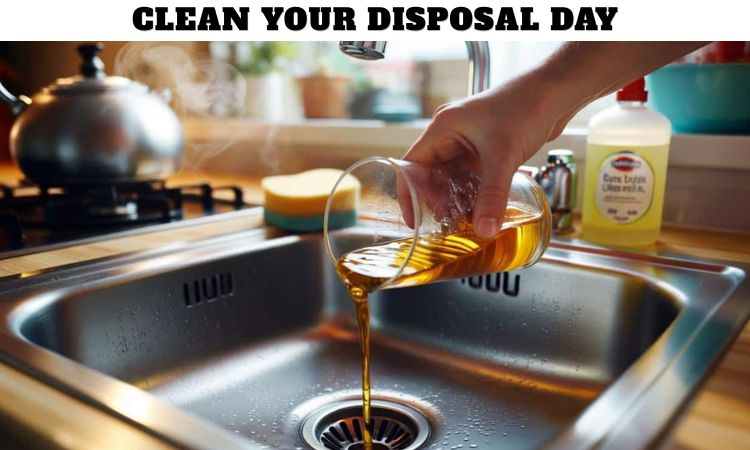
What Is Clean Your Disposal Day and Why Is It Celebrated?
Clean Your Disposal Day is observed every year on June 30 to encourage homeowners and families to clean and maintain their kitchen garbage disposals. The observance serves as a reminder that garbage disposals require regular care to remain efficient, hygienic, and odor-free.
Kitchen disposals handle food scraps and organic waste daily, making them vulnerable to grease buildup, food residue accumulation, unpleasant smells, and bacterial growth. Without proper maintenance, these appliances can become less effective and may eventually require costly repairs or replacement.
Clean Your Disposal Day promotes simple cleaning habits that can extend the life of a disposal unit while keeping kitchens cleaner and healthier.
When Is Clean Your Disposal Day Celebrated?
Clean Your Disposal Day is celebrated annually on June 30. Some local calendars and awareness campaigns may mention activities beginning on June 29 due to scheduling or regional observances, but the officially recognized date remains June 30.
The observance arrives during the summer season when kitchens often experience heavier use due to family gatherings, holidays, and outdoor entertaining. This makes it an ideal time to inspect and clean disposal units.
Why Is Cleaning a Garbage Disposal Important?
Many people assume that running water through the disposal is enough to keep it clean. However, food particles frequently remain trapped inside grinding chambers, rubber splash guards, and drain pipes.
Over time, this buildup creates unpleasant odors and provides an environment where bacteria can thrive. Grease and oils can also solidify inside pipes, increasing the risk of clogs and slow drainage.
Regular cleaning helps maintain performance, reduces foul smells, and prevents expensive plumbing issues.
How Does a Garbage Disposal Work?
A garbage disposal is designed to grind food waste into small particles that can safely pass through household plumbing systems. Contrary to popular belief, most disposals do not use sharp blades. Instead, they rely on spinning impellers that force food particles against grinding surfaces.
Water carries the ground food through the drain system and into municipal wastewater treatment facilities.
Understanding how disposals function helps homeowners avoid putting harmful materials into the unit that could cause damage.
What Foods Should Never Go Into a Garbage Disposal?
Certain food items can cause clogs, jams, or damage to disposal systems.
Items that should generally be avoided include:
- Cooking grease and oils.
- Coffee grounds in large quantities.
- Eggshells.
- Fibrous vegetables such as celery.
- Corn husks.
- Pasta and rice that expand with water.
- Bones.
- Fruit pits.
- Onion skins.
- Large amounts of potato peels.
Avoiding these materials can significantly improve the lifespan of a disposal unit.
How Can You Clean a Garbage Disposal Properly?
Cleaning a disposal does not require expensive products or specialized equipment.
A basic cleaning routine can include:
- Turning off the disposal and ensuring safety precautions are followed.
- Using warm water to flush loose particles.
- Adding dish soap and running water through the unit.
- Cleaning the rubber splash guard with a brush.
- Grinding ice cubes to help remove residue.
- Using citrus peels to freshen odors.
- Rinsing thoroughly with cold water.
Performing this process regularly can keep the unit operating efficiently.
Why Are Ice Cubes Effective for Disposal Cleaning?
Ice cubes help remove food residue that clings to grinding components and internal surfaces.
As the ice moves through the disposal chamber, it helps dislodge buildup while sharpening the action of the grinding mechanisms. Some homeowners also add coarse salt along with ice cubes for additional scrubbing power.
This simple technique remains one of the most popular disposal maintenance methods.
Can Baking Soda and Vinegar Help Clean a Disposal?
Baking soda and vinegar are commonly used natural cleaning agents.
When combined, they create a reaction that helps loosen debris and neutralize odors inside the disposal and drain pipes. After allowing the mixture to sit for several minutes, flushing the system with hot water can help remove loosened residue.
Many homeowners prefer this method because it avoids harsh chemicals.
What Causes Bad Odors in Garbage Disposals?
Odors usually result from food particles trapped beneath the splash guard or inside grinding chambers.
Grease deposits, decaying food scraps, and bacterial growth contribute to unpleasant smells. In some cases, drain pipes may also accumulate residue that causes persistent odors even after the disposal itself has been cleaned.
Regular maintenance is the most effective way to prevent these issues from developing.
How Often Should a Garbage Disposal Be Cleaned?
Experts generally recommend cleaning the disposal every one to two weeks depending on usage patterns.
Households that cook frequently or use the disposal daily may benefit from weekly maintenance. Homes that use disposals less often may only require cleaning once or twice each month.
The key is consistency rather than waiting for odors or clogs to appear.
What Are the Signs That a Disposal Needs Cleaning?
Several indicators suggest that a disposal unit requires attention.
Common warning signs include:
- Unpleasant odors.
- Slow drainage.
- Unusual noises.
- Frequent clogs.
- Reduced grinding efficiency.
- Water backing up into the sink.
Addressing these signs early can prevent more serious plumbing problems.
How Does Regular Maintenance Extend Disposal Lifespan?
A clean disposal experiences less strain during operation because debris does not interfere with grinding components or motor performance.
Reducing buildup minimizes wear and tear, lowers the likelihood of jams, and helps maintain proper water flow through the system.
Many disposal units can last more than ten years when properly maintained.
How Do Families Celebrate Clean Your Disposal Day?
Most people celebrate the day by performing routine kitchen maintenance and educating family members about proper disposal use.
Common activities include:
- Cleaning garbage disposal units.
- Inspecting plumbing connections.
- Teaching children what should not go into the disposal.
- Organizing kitchen cleaning projects.
- Replacing worn splash guards.
- Sharing cleaning tips with neighbors and friends.
The observance encourages preventative maintenance that saves money and improves kitchen hygiene.
Why Does Clean Your Disposal Day Matter Today?
Modern kitchens depend heavily on convenience appliances that often receive little attention until problems occur.
Clean Your Disposal Day reminds homeowners that small maintenance efforts can prevent major repairs and improve household efficiency. It also promotes better sanitation practices and encourages responsible food waste management.
As homes continue to rely on garbage disposals for convenience, regular cleaning and maintenance become increasingly important for protecting plumbing systems and maintaining healthy living environments.
Frequently Asked Questions (FAQs)
1. When is Clean Your Disposal Day celebrated?
Clean Your Disposal Day is celebrated every year on June 30.
2. What is the purpose of Clean Your Disposal Day?
The day encourages people to clean and maintain their kitchen garbage disposals.
3. How often should a garbage disposal be cleaned?
Most experts recommend cleaning it every one to two weeks.
4. Can ice cubes help clean a garbage disposal?
Yes, ice cubes can remove buildup and residue from internal components.
5. Is baking soda safe for cleaning disposals?
Yes, baking soda is a safe and effective natural cleaning solution.
6. Why does my garbage disposal smell bad?
Food residue, grease buildup, and bacteria are common causes of odors.
7. Can citrus peels freshen a disposal?
Yes, citrus peels can help reduce unpleasant smells.
8. What foods should not go into a disposal?
Grease, bones, fibrous vegetables, and fruit pits should be avoided.
9. How long does a garbage disposal typically last?
A well-maintained disposal can last ten years or longer.
10.Does cleaning a disposal prevent plumbing problems?
Yes, regular maintenance reduces the risk of clogs and drain issues.