

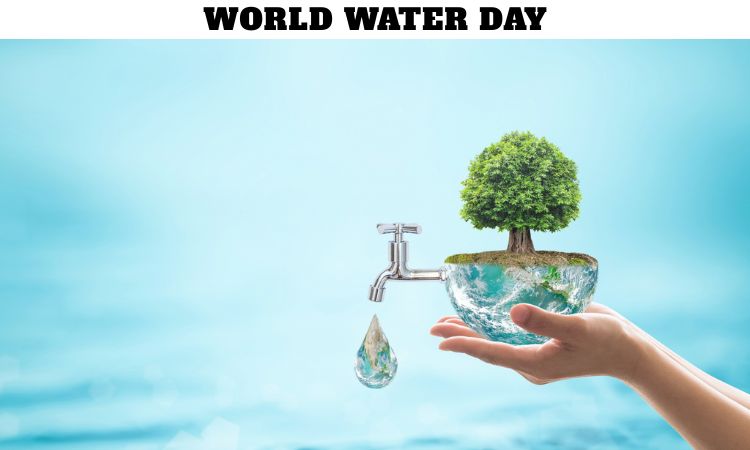
World Water Day, observed every year on March 22, is a global initiative dedicated to highlighting the importance of freshwater and advocating for the sustainable management of water resources. Established by the United Nations, this significant international observance aims to raise awareness about water scarcity, sanitation challenges, and the urgent need to protect water ecosystems.
Water is fundamental to life, development, and environmental balance. From agriculture and industry to public health and biodiversity, access to clean water influences every aspect of human existence. World Water Day serves as a powerful reminder that ensuring safe and sustainable water for all is one of the most pressing challenges of the 21st century.
History and Origin of World Water Day
The concept of World Water Day was first proposed during the United Nations Conference on Environment and Development, also known as the Earth Summit held in Rio de Janeiro. Recognizing the growing global concern over freshwater availability and environmental sustainability, the United Nations General Assembly officially designated March 22 as World Water Day in 1993.
Since then, governments, organizations, educational institutions, and communities worldwide have actively participated in awareness campaigns, conservation initiatives, and policy discussions focused on water management. Over the decades, World Water Day has evolved into a major international platform for promoting water security and environmental responsibility.
Why Water is Essential for Life and Development?
Water is the foundation of all biological processes. The human body itself is composed of nearly 60 percent water, emphasizing its critical role in maintaining health and vitality. Beyond individual well-being, water is indispensable for food production, energy generation, industrial operations, and ecosystem sustainability.
Agriculture alone accounts for approximately 70 percent of global freshwater usage, making efficient irrigation and resource management essential for food security. Industries rely on water for manufacturing, cooling systems, and transportation. Meanwhile, rivers, lakes, wetlands, and aquifers support countless species and contribute to climate regulation.
Without reliable access to clean water, societies face severe consequences, including disease outbreaks, economic instability, and environmental degradation.
Global Water Crisis and Challenges
Despite its importance, billions of people around the world still lack access to safe drinking water and proper sanitation facilities. Rapid population growth, urbanization, pollution, and climate change have intensified pressure on freshwater resources.
One of the most alarming challenges is water scarcity, which affects both developing and developed nations. Regions experiencing prolonged droughts often struggle with declining agricultural productivity and increased conflict over limited resources. Groundwater depletion further exacerbates the problem, as aquifers are being drained faster than they can naturally recharge.
Water pollution also poses a serious threat. Industrial waste, agricultural runoff, and plastic contamination degrade water quality, making it unsafe for human consumption and harmful to aquatic life. Addressing these issues requires coordinated global efforts, technological innovation, and responsible consumption practices.
Themes of World Water Day
Each year, World Water Day is celebrated with a unique theme that focuses on specific water-related challenges or opportunities. These themes help guide international discussions and inspire targeted action.
Recent themes have included groundwater protection, water and climate change, valuing water, and accelerating change. By spotlighting different aspects of water sustainability, the campaign encourages governments, businesses, and citizens to adopt innovative solutions and collaborate on long-term strategies.
The thematic approach also enhances public engagement by providing clear messages and actionable goals that resonate across cultural and geographic boundaries.
Importance of Water Conservation
Water conservation is essential for ensuring the availability of freshwater resources for future generations. Simple actions such as fixing leaks, using water-efficient appliances, and adopting sustainable agricultural practices can significantly reduce water wastage.
Rainwater harvesting and wastewater recycling are increasingly recognized as effective methods for supplementing water supply. Urban planning that incorporates green infrastructure, including permeable pavements and restored wetlands, can also enhance natural water retention and reduce flooding risks.
At a broader level, sustainable water management contributes to achieving the United Nations Sustainable Development Goals, particularly Goal 6, which aims to ensure the availability and sustainable management of water and sanitation for all.
Role of Technology in Water Management
Technological advancements are transforming the way water resources are monitored, distributed, and conserved. Smart irrigation systems equipped with sensors can optimize water usage in agriculture by delivering precise amounts based on soil moisture and weather conditions.
Desalination technologies offer promising solutions for regions facing acute freshwater shortages by converting seawater into potable water. Meanwhile, satellite imagery and data analytics enable governments and researchers to track changes in water bodies, predict drought patterns, and develop early warning systems.
Innovations in water purification, including advanced filtration and ultraviolet treatment, are improving access to safe drinking water in remote and underserved communities. These technological breakthroughs demonstrate the potential for science-driven approaches to address global water challenges effectively.
Community Participation and Awareness Campaigns
World Water Day is marked by a wide range of activities designed to educate and inspire action. Schools often organize seminars, art competitions, and environmental projects that encourage students to understand the importance of water conservation.
Non-governmental organizations conduct workshops and awareness drives to promote sustainable practices at the grassroots level. Public campaigns emphasize behavioral changes such as reducing plastic use, conserving household water, and protecting local water bodies.
Digital platforms have further expanded the reach of World Water Day initiatives, enabling individuals to participate in webinars, social media challenges, and virtual conferences. By fostering collective responsibility, these campaigns play a crucial role in driving meaningful change.
Economic and Environmental Benefits of Sustainable Water Use
Efficient water management offers substantial economic advantages. Industries that adopt water-saving technologies can reduce operational costs while enhancing environmental compliance and corporate reputation. Sustainable agriculture practices not only conserve water but also improve soil health and crop resilience.
Environmental benefits include the preservation of wetlands, rivers, and biodiversity hotspots that provide ecosystem services such as flood control, carbon sequestration, and habitat protection. Healthy water systems contribute to climate stability and support livelihoods dependent on fisheries, tourism, and agriculture.
Investing in water sustainability, therefore, yields long-term returns that extend beyond immediate financial gains.
Individual Actions to Support Water Sustainability
Every individual has the power to contribute to water conservation. Turning off taps while brushing teeth, collecting rainwater for gardening, and choosing water-efficient fixtures are practical steps that can make a significant difference.
Supporting organizations working toward clean water access and participating in community clean-up drives can further amplify impact. Educating others about responsible water use helps build a culture of environmental stewardship that benefits society as a whole.
By adopting mindful consumption habits, we can collectively reduce pressure on freshwater resources and promote equitable access.
Future Outlook: Ensuring Water Security for All
As global demand for water continues to rise, ensuring water security will require integrated approaches that combine policy reform, technological innovation, and public engagement. Strengthening international cooperation is vital for managing transboundary water resources and addressing shared environmental challenges.
Climate-resilient infrastructure, investment in research, and inclusive governance frameworks will play key roles in shaping sustainable water futures. Empowering local communities and prioritizing nature-based solutions can enhance adaptability and resilience.
World Water Day serves as a powerful call to action, reminding us that water is not merely a resource but a shared responsibility. Protecting freshwater systems today will determine the health, prosperity, and stability of generations to come.
Conclusion
World Water Day is more than an observance; it is a global movement dedicated to safeguarding one of Earth’s most precious resources. By raising awareness, promoting conservation, and encouraging innovation, this day inspires collective action toward a sustainable and water-secure world.
Frequently Asked Questions (FAQs)
1. What is World Water Day?
World Water Day is an international observance held on March 22 every year to raise awareness about the importance of freshwater and sustainable water management.
2. Who started World Water Day?
World Water Day was established by the United Nations following recommendations from global environmental conferences.
3. Why is World Water Day important?
It highlights global water challenges such as water scarcity, pollution, lack of sanitation, and climate change impacts on freshwater resources.
4. When was World Water Day first celebrated?
The first World Water Day was celebrated in 1993, after it was officially designated in 1992.
5. What is the main goal of World Water Day?
The main goal is to promote sustainable use of water resources and ensure access to safe drinking water and sanitation for everyone.
6. How is World Water Day celebrated?
It is celebrated through awareness campaigns, educational programs, seminars, community clean-ups, and water conservation activities worldwide.
7. What are some major global water problems?
Key issues include water shortages, groundwater depletion, contamination, inefficient water use, and unequal distribution of water resources.
8. How can individuals contribute to water conservation?
People can save water by fixing leaks, using water-efficient appliances, harvesting rainwater, and reducing unnecessary water usage.
9. Does World Water Day have a theme each year?
Yes, every year a specific theme focuses on a key water-related issue, encouraging targeted global action and awareness.
10. How does water conservation benefit the environment?
Water conservation helps protect ecosystems, reduce energy use, support biodiversity, and ensure long-term water availability for future generations.