

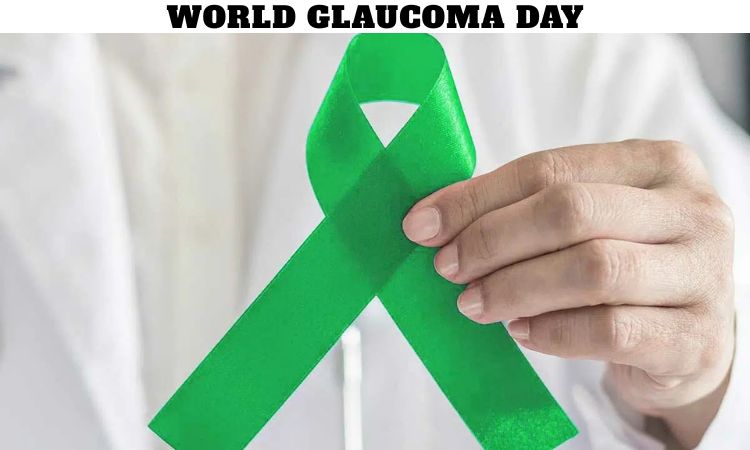
Every year on March 12, the world observes World Glaucoma Day, an important global health awareness event dedicated to educating people about glaucoma and its impact on vision. This day serves as a reminder that early detection, regular eye checkups, and proper treatment can help prevent irreversible blindness caused by glaucoma.
The campaign is part of World Glaucoma Week, which aims to increase understanding of the disease and encourage people to take proactive steps toward protecting their eyesight. Health organizations, medical professionals, and communities come together to spread awareness about glaucoma and promote preventive eye care.
Glaucoma is often called the “silent thief of sight” because it can gradually damage vision without noticeable symptoms in its early stages. By the time people realize something is wrong, significant vision loss may have already occurred. That is why World Glaucoma Day plays a vital role in educating the public about the importance of early diagnosis and treatment.
What Is World Glaucoma Day and Why Is It Observed on March 12?
World Glaucoma Day is an international awareness day dedicated to informing people about Glaucoma, a group of eye conditions that damage the optic nerve and can lead to permanent blindness if left untreated.
The day was established through the collaboration of leading global eye health organizations, including the World Glaucoma Association and the World Glaucoma Patient Association. These organizations aim to promote awareness, encourage regular eye examinations, and reduce the number of people who lose vision due to glaucoma.
March 12 marks the beginning of a worldwide effort to highlight the importance of early detection, prevention, and treatment. Awareness campaigns during this period emphasize that glaucoma is manageable if diagnosed early.
What Exactly Is Glaucoma and How Does It Affect Vision?
Glaucoma refers to a group of eye disorders that damage the optic nerve, the part of the eye responsible for transmitting visual information from the retina to the brain.
This damage often occurs due to increased pressure inside the eye, also known as intraocular pressure. Over time, this pressure can harm the optic nerve and gradually reduce a person’s field of vision.
Common effects of glaucoma include:
Gradual loss of peripheral vision
Difficulty seeing in low light
Tunnel vision in advanced stages
Permanent vision loss if untreated
Because glaucoma often develops slowly and painlessly, many people do not realize they have the condition until their vision is significantly affected.
Why Is Glaucoma Called the “Silent Thief of Sight”?
Glaucoma has earned the nickname “silent thief of sight” because it usually develops without obvious symptoms during its early stages.
Unlike many other eye conditions that cause discomfort or noticeable vision changes, glaucoma can progress quietly for years. During this time, damage to the optic nerve continues without warning.
People may not notice problems until they experience:
Loss of side vision
Difficulty recognizing objects
Advanced vision narrowing
Once vision is lost due to glaucoma, it cannot be restored, which makes early detection and treatment extremely important.
Who Is Most at Risk of Developing Glaucoma?
Although glaucoma can affect anyone, certain individuals have a higher risk of developing the disease.
Major risk factors include:
Age
People over the age of 40 or 60 have an increased risk of glaucoma.
Family History
If someone in your family has glaucoma, your risk may be significantly higher.
High Eye Pressure
Elevated intraocular pressure increases the likelihood of optic nerve damage.
Medical Conditions
Diseases such as diabetes, hypertension, and heart disease may contribute to glaucoma risk.
Long-Term Steroid Use
Extended use of steroid medications can raise eye pressure.
Because these risk factors vary among individuals, regular eye examinations are essential for early diagnosis.
What Are the Different Types of Glaucoma?
Glaucoma is not a single disease but a group of related conditions. Each type affects the eyes in different ways.
Open-Angle Glaucoma
This is the most common form of glaucoma. It occurs when the eye’s drainage system becomes less efficient, causing pressure to build up gradually.
Angle-Closure Glaucoma
This type occurs when the drainage angle in the eye becomes blocked, leading to a sudden increase in eye pressure. It is considered a medical emergency.
Normal-Tension Glaucoma
In this form, optic nerve damage occurs even though eye pressure remains within the normal range.
Congenital Glaucoma
This rare condition affects infants and young children due to developmental issues in the eye’s drainage system.
Understanding these different types helps doctors provide appropriate treatment and management.
What Symptoms Should People Watch For?
In the early stages, glaucoma may not cause noticeable symptoms. However, as the disease progresses, certain warning signs may appear.
Possible symptoms include:
Gradual loss of peripheral vision
Blurred vision
Eye pain or pressure
Seeing halos around lights
Redness in the eyes
Severe headaches in acute cases
Anyone experiencing these symptoms should seek medical attention from an eye specialist immediately.
How Is Glaucoma Diagnosed by Eye Specialists?
Early detection of glaucoma depends on comprehensive eye examinations performed by trained professionals.
Common diagnostic tests include:
Eye Pressure Test
Measures the pressure inside the eye.
Optic Nerve Examination
Doctors check the optic nerve for signs of damage.
Visual Field Test
This test measures a person’s peripheral vision.
Corneal Thickness Measurement
Determines whether corneal thickness may affect eye pressure readings.
Regular eye exams can identify glaucoma before significant vision loss occurs.
What Treatment Options Are Available for Glaucoma?
Although glaucoma cannot be cured, effective treatments can slow or stop its progression.
Common treatment methods include:
Medicated Eye Drops
These are often the first line of treatment and help reduce eye pressure.
Oral Medications
In some cases, tablets may be prescribed to control eye pressure.
Laser Therapy
Laser treatments can improve fluid drainage from the eye.
Surgery
Advanced cases may require surgical procedures to create new drainage pathways.
The goal of treatment is to protect the optic nerve and preserve remaining vision.
How Is World Glaucoma Day Celebrated Around the World?
World Glaucoma Day is observed through a variety of awareness activities and educational campaigns.
Common initiatives include:
Free eye screening camps
Public health seminars and workshops
Social media awareness campaigns
Educational programs in schools and communities
Eye health awareness walks
Healthcare organizations use this day to encourage people to schedule regular eye exams and learn about glaucoma prevention.
Why Is Early Detection the Key to Preventing Blindness?
One of the most important messages of World Glaucoma Day is that early detection can save vision.
When glaucoma is diagnosed early:
Treatment can begin immediately
Eye pressure can be controlled
Further optic nerve damage can be prevented
Regular eye exams are especially important for individuals with risk factors such as age or family history.
Eye specialists recommend that adults undergo comprehensive eye examinations every one to two years, depending on their risk level.
What Steps Can People Take to Protect Their Eye Health?
Protecting eye health requires consistent care and healthy lifestyle choices.
Important preventive measures include:
Scheduling regular eye checkups
Maintaining a healthy diet rich in vitamins
Managing conditions like diabetes and high blood pressure
Exercising regularly
Avoiding excessive screen strain
These habits support overall eye health and reduce the risk of vision problems.
Conclusion
World Glaucoma Day is a crucial global initiative aimed at raising awareness about glaucoma and preventing blindness. This eye disease can silently damage vision over time, making early detection and treatment essential.
Through educational campaigns, medical screenings, and public awareness programs, organizations around the world encourage people to prioritize their eye health and schedule regular eye examinations.
By spreading knowledge about glaucoma and promoting preventive care, World Glaucoma Day helps protect the vision of millions of people worldwide. The message is clear: regular eye checkups and early diagnosis can save sight.