
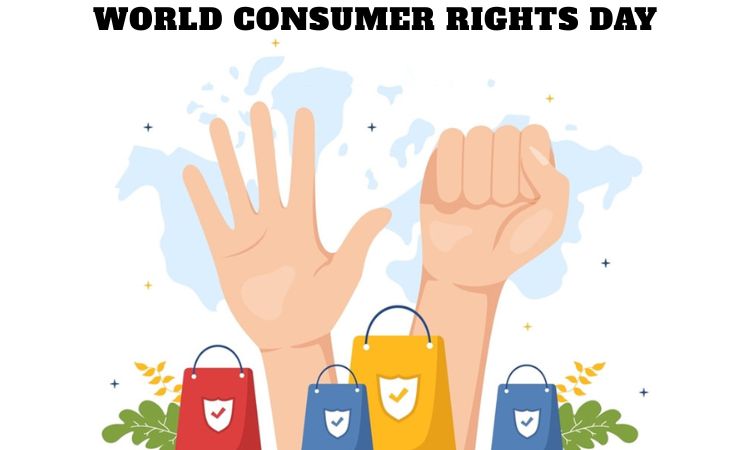
World Consumer Rights Day, observed annually on March 15, is a global awareness event dedicated to promoting and protecting the rights of consumers across markets and industries. This significant occasion highlights the importance of fair trade practices, transparency, product safety, and ethical business conduct. It encourages governments, organizations, and individuals to work collectively toward building a marketplace where consumers can make informed decisions without fear of exploitation.
Celebrated worldwide, this day serves as a reminder that consumers are the backbone of every economy. Their choices influence production, innovation, sustainability, and overall market dynamics. By focusing on consumer empowerment and protection, World Consumer Rights Day strengthens trust between businesses and buyers.
The History and Significance of World Consumer Rights Day
World Consumer Rights Day has its roots in a historic movement aimed at recognizing the essential role of consumers in economic development. The day commemorates a landmark moment in consumer advocacy that emphasized the necessity of safeguarding buyers from unfair practices, misleading advertising, and unsafe products.
Over the years, consumer protection organizations and advocacy groups have transformed this observance into a powerful platform for addressing emerging issues such as digital privacy, sustainable consumption, and financial literacy. The significance of this day lies in its ability to unite stakeholders worldwide in the pursuit of equitable market systems and responsible consumption.
Understanding Consumer Rights in Modern Society
Consumer rights refer to the legal and ethical entitlements that ensure individuals receive quality products and services. These rights form the foundation of trust and fairness in commerce.
Right to Safety
Consumers have the right to be protected against products and services that may pose risks to health or life. Governments and regulatory authorities enforce quality standards, safety inspections, and certifications to minimize hazards.
Right to Information
Transparent communication is essential in empowering consumers. Accurate labeling, honest advertising, and clear pricing help buyers make informed decisions. The right to information prevents deception and ensures ethical marketing practices.
Right to Choose
A competitive marketplace allows consumers to select from a variety of products and services at fair prices. This right encourages innovation and prevents monopolistic behavior.
Right to Be Heard
Consumer feedback plays a vital role in shaping policies and business strategies. Platforms for complaints, reviews, and dispute resolution enable consumers to express concerns and seek remedies.
The Role of Consumer Protection Laws
Consumer protection laws are designed to regulate business conduct and safeguard buyers from exploitation. These laws address issues such as defective products, unfair pricing, misleading promotions, and breach of contracts.
Legal Frameworks and Enforcement
Governments establish regulatory bodies to monitor compliance with consumer laws. These institutions conduct investigations, impose penalties, and facilitate compensation mechanisms. Such enforcement strengthens accountability and market discipline.
Digital Consumer Protection
With the rise of e-commerce, protecting consumers in online transactions has become increasingly important. Policies addressing data privacy, cybersecurity, and digital payment safety ensure that technological advancements benefit buyers without compromising their security.
Global Themes and Campaigns
Each year, World Consumer Rights Day focuses on a specific theme that reflects contemporary challenges. Campaigns often address topics such as:
Sustainable consumption
Ethical business practices
Financial inclusion
Green energy awareness
Fair digital markets
These themes guide educational programs, policy discussions, and community initiatives aimed at strengthening consumer resilience.
The Importance of Consumer Awareness
Awareness is the most powerful tool consumers possess. Educated buyers are better equipped to evaluate product quality, compare prices, and identify fraudulent schemes.
Financial Literacy and Smart Spending
Understanding budgeting, credit management, and investment options empowers consumers to make financially sound decisions. Awareness programs often emphasize avoiding impulsive purchases and recognizing hidden costs.
Recognizing Scams and Fraud
Modern consumers face risks such as phishing, counterfeit goods, and deceptive offers. Staying informed about these threats reduces vulnerability and promotes safe purchasing behavior.
The Impact of Consumer Choices on Sustainability
Consumers play a crucial role in shaping environmentally responsible markets. By choosing eco-friendly products and supporting ethical brands, they influence production practices and corporate policies.
Encouraging Sustainable Consumption
Reducing waste, recycling materials, and opting for energy-efficient products contribute to environmental preservation. Sustainable consumption aligns economic growth with ecological balance.
Supporting Ethical Businesses
Companies that prioritize fair labor practices, responsible sourcing, and environmental stewardship gain consumer trust. Ethical purchasing decisions drive positive change across supply chains.
Technology and the Evolution of Consumer Rights
Technological advancements have transformed shopping experiences, introducing both convenience and complexity.
E-Commerce and Digital Platforms
Online marketplaces provide access to global products and competitive pricing. However, they also require robust consumer protection measures to address delivery disputes, return policies, and product authenticity.
Artificial Intelligence and Personalization
AI-driven recommendations enhance customer experiences but raise concerns about data usage and algorithmic transparency. Balancing innovation with privacy safeguards is essential.
The Role of Consumer Organizations
Consumer advocacy groups act as intermediaries between buyers, businesses, and policymakers. They conduct research, provide legal assistance, and organize awareness campaigns.
Education and Outreach Programs
Workshops, seminars, and media campaigns educate the public about their rights and responsibilities. These initiatives foster informed citizenship and market participation.
Policy Advocacy
Consumer organizations influence legislation by presenting evidence-based recommendations. Their efforts ensure that laws remain relevant in addressing evolving market challenges.
Celebrating World Consumer Rights Day
Observing this day involves a range of activities aimed at promoting empowerment and engagement.
Community Awareness Events
Public discussions, exhibitions, and educational drives encourage consumers to learn about their rights and share experiences.
Workplace and Institutional Initiatives
Organizations can host training sessions on ethical business conduct and customer service excellence. Such initiatives strengthen professional accountability.
Digital Campaigns and Social Media
Online platforms amplify messages related to fair trade, responsible consumption, and consumer safety. Hashtags, webinars, and interactive content enhance outreach.
Challenges Facing Consumers Today
Despite progress, consumers continue to encounter challenges such as:
Price manipulation and hidden charges
Misleading advertising and fake reviews
Data breaches and identity theft
Limited access to dispute resolution mechanisms
Addressing these issues requires collaboration among governments, businesses, and civil society.
The Future of Consumer Rights
The future of consumer rights lies in proactive regulation, technological innovation, and global cooperation. Emerging trends such as blockchain transparency, digital identity verification, and sustainable supply chains offer promising solutions.
Empowering consumers through education and accessible legal frameworks will ensure that markets remain fair, competitive, and inclusive.
Conclusion
World Consumer Rights Day stands as a powerful reminder that informed and protected consumers are essential for economic stability and social progress. By advocating for transparency, accountability, and sustainability, we contribute to building marketplaces that prioritize human well-being alongside commercial success.
Frequently Asked Questions (FAQs)
1. What is World Consumer Rights Day?
World Consumer Rights Day is a global awareness event observed on March 15 to promote and protect the rights of consumers and ensure fair trade practices in the marketplace.
2. Why is World Consumer Rights Day celebrated?
It is celebrated to highlight the importance of consumer protection, ethical business conduct, product safety, and informed purchasing decisions.
3. When is World Consumer Rights Day observed?
This important international observance takes place every year on March 15.
4. What are the basic consumer rights?
Key consumer rights include the right to safety, right to information, right to choose, right to be heard, and right to seek redressal in case of unfair practices.
5. Who started World Consumer Rights Day?
The day originated from global consumer movements that aimed to strengthen consumer awareness and legal protection against exploitation and misleading marketing.
6. How can consumers benefit from this day?
Consumers can gain knowledge about their legal rights, safe shopping practices, financial literacy, and ways to file complaints against defective products or poor services.
7. What activities are organized on World Consumer Rights Day?
Common activities include awareness campaigns, workshops, seminars, social media initiatives, and educational programs focused on consumer empowerment.
8. How does consumer awareness impact the economy?
Informed consumers encourage healthy competition, better product quality, transparent pricing, and innovation, which ultimately strengthens the economy.
9. What challenges do consumers face today?
Modern consumers deal with issues such as online fraud, data privacy risks, counterfeit goods, misleading advertisements, and hidden charges.
10. How can individuals support consumer rights?
People can support consumer rights by staying informed, reporting unfair practices, choosing ethical brands, and spreading awareness about responsible consumption.