

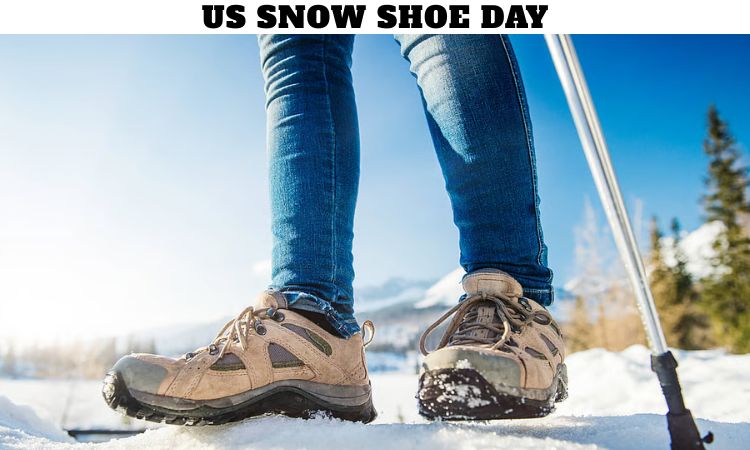
What Is US Snow Shoe Day, and Why Is It Celebrated on February 28?
US Snow Shoe Day, observed annually on February 28, is a celebration of winter adventure, outdoor exploration, and the enduring tradition of snowshoeing in the United States. This unique day recognizes the importance of snowshoes as a vital winter tool that has shaped survival, travel, recreation, and sport for centuries.
Snowshoeing allows people to traverse deep snow with ease, transforming snowy landscapes into accessible playgrounds. February 28, positioned near the end of winter in many regions, serves as a perfect time to embrace the beauty of snow-covered trails before the season transitions into spring.
US Snow Shoe Day honors both the historical significance of snowshoes and their modern role in promoting fitness, sustainability, and outdoor recreation.
What Are Snowshoes and How Do They Work?
Snowshoes are specialized footwear designed to distribute a person’s weight over a larger surface area, preventing them from sinking into deep snow. By spreading body weight evenly, snowshoes enable efficient movement across snowy terrain.
Traditional snowshoes were crafted from wooden frames and rawhide webbing. Modern designs incorporate lightweight aluminum frames, synthetic decking, and durable traction systems for enhanced stability and comfort.
The basic principle remains unchanged: increase surface area to stay afloat on snow. This simple yet ingenious design has enabled exploration in some of the harshest winter environments.
What Is the History of Snowshoeing in the United States?
Snowshoeing traces its roots back thousands of years. Indigenous peoples of North America developed snowshoes to navigate winter landscapes for hunting, trading, and travel. These early designs were adapted to regional snow conditions and terrain.
European settlers quickly adopted snowshoe technology, recognizing its practicality in frontier life. During the 18th and 19th centuries, snowshoes became essential tools for fur trappers, explorers, and military personnel.
In the modern era, snowshoeing evolved from necessity to recreation. Winter enthusiasts began organizing snowshoe races and expeditions, transforming a survival tool into a popular outdoor activity.
US Snow Shoe Day pays tribute to this rich heritage and acknowledges the contributions of Indigenous communities who pioneered the craft.
Why Is Snowshoeing Popular Today?
Snowshoeing has grown significantly in popularity because it is accessible, affordable, and suitable for all fitness levels. Unlike skiing or snowboarding, snowshoeing requires minimal technical training.
Key reasons for its popularity include:
Low barrier to entry
Minimal equipment requirements
Full-body cardiovascular workout
Peaceful immersion in nature
Opportunities for solo or group adventure
Snowshoeing allows participants to explore snow-covered forests, mountains, and parks without the need for ski lifts or specialized slopes.
US Snow Shoe Day encourages individuals to step outside, breathe fresh winter air, and appreciate the serenity of snowy landscapes.
What Are the Health Benefits of Snowshoeing?
Snowshoeing is an excellent form of exercise that combines cardiovascular endurance with muscle strengthening. Walking through snow requires more effort than walking on solid ground, increasing calorie burn and improving stamina.
Benefits include:
Improved heart health
Enhanced leg and core strength
Better balance and coordination
Reduced stress levels
Boosted mental clarity
The rhythmic motion of snowshoeing promotes mindfulness and relaxation, making it both physically and mentally rewarding.
US Snow Shoe Day highlights the importance of staying active even during colder months.
How Can Beginners Start Snowshoeing?
Getting started with snowshoeing is straightforward. Beginners should consider the following steps:
Choose the Right Snowshoes
Select snowshoes based on weight, terrain, and intended use. Recreational models are ideal for flat trails, while more advanced designs suit mountainous terrain.
Wear Appropriate Clothing
Layered clothing helps regulate body temperature. Waterproof boots and insulated gloves are essential.
Start on Marked Trails
Many parks and recreation areas offer designated snowshoe trails, making navigation easy and safe.
Use Trekking Poles
Poles provide stability and reduce strain on knees, especially on uneven terrain.
US Snow Shoe Day serves as an invitation for newcomers to try this accessible winter sport.
Where Are the Best Places in the United States for Snowshoeing?
The United States offers countless scenic destinations perfect for snowshoeing. National parks, state forests, and mountain regions provide ideal conditions.
Popular snowshoeing destinations include:
The Rocky Mountains
The Sierra Nevada
The Adirondacks
Yellowstone National Park
Vermont’s Green Mountains
These regions offer well-maintained trails, breathtaking winter vistas, and opportunities to encounter wildlife in serene, snow-covered environments.
US Snow Shoe Day inspires adventurers to explore these winter landscapes responsibly and sustainably
Is Snowshoeing an Eco-Friendly Winter Activity?
Snowshoeing is considered one of the most environmentally friendly winter sports. It requires no fuel-powered equipment and leaves minimal impact on natural surroundings.
Unlike snowmobiles or heavy machinery, snowshoes do not disrupt wildlife habitats or contribute to noise pollution. Participants can enjoy pristine wilderness without harming ecosystems.
US Snow Shoe Day promotes sustainable recreation and respect for nature, encouraging participants to follow Leave No Trace principles.
How Has Snowshoeing Become a Competitive Sport?
Snowshoe racing has gained recognition as a competitive winter sport. Organized events range from local community races to national championships.
Competitive snowshoe races challenge participants with varying terrains, distances, and elevation changes. Athletes rely on endurance, speed, and strategy to navigate snowy courses efficiently.
The sport continues to grow, attracting both professional athletes and recreational competitors.
US Snow Shoe Day acknowledges the athletic dimension of snowshoeing while celebrating its recreational charm.
How Can Communities Celebrate US Snow Shoe Day?
Communities can organize various activities to commemorate February 28:
Guided snowshoe hikes
Educational workshops on winter safety
Snowshoe rental events
Winter fitness challenges
Nature photography walks
Outdoor recreation centers and parks often host special events encouraging families and individuals to participate.
US Snow Shoe Day fosters community engagement and appreciation for winter’s beauty.
What Safety Tips Should Snowshoers Follow?
Safety is essential when venturing into snowy terrain. Participants should:
Check weather forecasts
Inform someone of their plans
Carry water and snacks
Bring a map or GPS device
Dress in moisture-wicking layers
In mountainous areas, awareness of avalanche risks and proper training is crucial.
US Snow Shoe Day emphasizes safe and informed participation to ensure enjoyable winter experiences.
Why Does US Snow Shoe Day Continue to Grow in Popularity?
The increasing interest in outdoor recreation and wellness has contributed to the growing recognition of US Snow Shoe Day. As more people seek alternatives to crowded indoor activities, snowshoeing offers a peaceful and invigorating solution.
Social media platforms have also amplified awareness, with participants sharing stunning winter landscapes and adventure stories.
The simplicity of snowshoeing, combined with its rich history and health benefit,s makes it an enduring winter tradition.
Conclusion: Embracing Winter with Strength and Tradition
US Snow Shoe Day – February 28 celebrates the enduring legacy of snowshoeing as both a historical necessity and a modern recreational pursuit. From Indigenous innovation to contemporary winter sport, snowshoes represent resilience, adaptability, and exploration.