

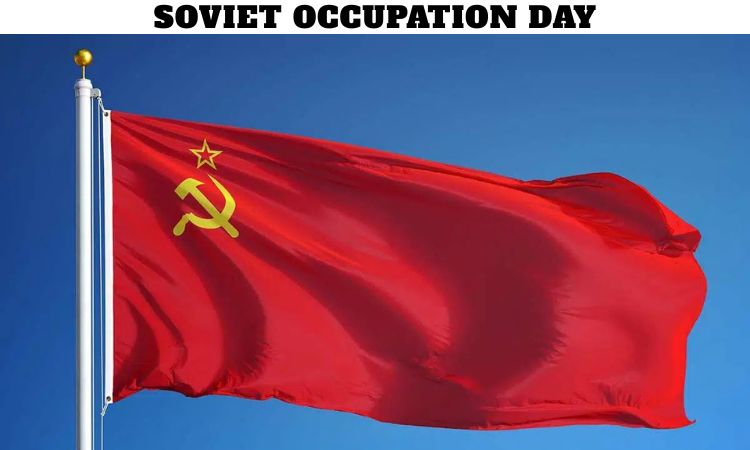
What Is Soviet Occupation Day, and Why Is It Observed on February 25?
Soviet Occupation Day is a solemn national day of remembrance observed in the country of Georgia. The day commemorates the tragic events of February 25, 1921, when the Red Army of Soviet Russia captured Tbilisi and ended the short-lived independence of the Democratic Republic of Georgia. This date marks the beginning of decades of Soviet control that deeply affected Georgia’s political, cultural, and social development.
Observed annually, Soviet Occupation Day honors those who resisted foreign domination, remembers the victims of repression, and reinforces the nation’s commitment to sovereignty and democratic values. February 25 stands as a powerful reminder of resilience, historical truth, and national identity.
What Happened on February 25, 1921?
On February 25, 1921, the 11th Red Army of Soviet Russia entered Tbilisi, the capital of Georgia, after weeks of military conflict. The Democratic Republic of Georgia, established in 1918 following the collapse of the Russian Empire, had declared independence and sought international recognition. However, geopolitical pressures and military aggression ultimately led to the fall of the republic.
The occupation resulted in the establishment of the Georgian Soviet Socialist Republic, integrating Georgia into the Soviet Union. For many Georgians, this event symbolized the abrupt loss of political autonomy and the beginning of a prolonged period of foreign control.
Soviet Occupation Day commemorates this decisive turning point in Georgian history.
Why Is Soviet Occupation Day Important for Georgia?
Soviet Occupation Day is not merely a historical observance; it is a national reflection on sovereignty, sacrifice, and endurance. The occupation of 1921 reshaped Georgia’s political trajectory for nearly seven decades, influencing governance, cultural expression, economic structures, and civil liberties.
The day serves several purposes:
Honoring those who resisted occupation
Remembering victims of repression and political persecution
Educating younger generations about historical events
Reaffirming Georgia’s commitment to independence
By observing February 25, Georgia ensures that the memory of its struggle for freedom remains central to national consciousness.
How Long Did the Soviet Occupation Last?
The Soviet occupation of Georgia began in 1921 and continued until 1991, when Georgia regained independence following the dissolution of the Soviet Union. For approximately seventy years, Georgia functioned as one of the republics within the Soviet system.
During this period, political structures were centralized, and decision-making authority was largely controlled from Moscow. Despite industrial development and modernization in some sectors, political freedoms were severely restricted, and dissent was often met with repression.
Soviet Occupation Day reflects on the long-term impact of this era and honors the persistence of national identity despite external control.
How Is Soviet Occupation Day Observed in Georgia?
Soviet Occupation Day is marked by solemn remembrance rather than celebration. Observances typically include:
Flag Protocol
The national flag of Georgia is flown at half-mast on February 25 to honor the victims of occupation and repression.
Official Ceremonies
Government officials, historians, and community leaders gather to lay wreaths and deliver speeches emphasizing historical awareness and national unity.
Educational Programs
Schools and universities conduct lectures, discussions, and exhibitions focused on the events of 1921 and their lasting consequences.
Public Reflection
Museums and cultural institutions highlight archival materials, photographs, and personal testimonies from the period of Soviet rule.
These observances reinforce collective remembrance and encourage informed dialogue about history.
What Were the Consequences of the Soviet Occupation?
The Soviet occupation reshaped Georgian society in profound ways.
Political Repression
Political opposition was suppressed, and many leaders of the Democratic Republic were forced into exile or persecuted. The one-party system limited political pluralism and civil liberties.
Cultural Transformation
While Georgian culture survived, it was often regulated under Soviet ideology. Cultural expression had to align with state-approved narratives.
Economic Restructuring
Georgia’s economy was integrated into the broader Soviet system, focusing on centralized planning and industrial production.
Human Rights Violations
Many Georgians experienced deportations, imprisonment, or repression during purges and political crackdowns.
Soviet Occupation Day acknowledges these historical realities while honoring those who endured them.
How Did Georgia Preserve Its National Identity During Occupation?
Despite decades of external control, Georgia maintained its distinct language, traditions, and cultural heritage. Religious institutions, literature, and family traditions played significant roles in preserving identity.
Underground movements and intellectual circles quietly nurtured aspirations for independence. These efforts laid the groundwork for renewed sovereignty in 1991.
February 25 honors the resilience that enabled Georgia to safeguard its identity despite political suppression.
When Did Soviet Occupation Day Become Official?
Soviet Occupation Day was officially established by the Georgian Parliament in 2010. By formalizing the observance, the government affirmed the importance of historical acknowledgment and remembrance.
The designation of February 25 as a national day of mourning underscores Georgia’s dedication to confronting its past openly and honoring the sacrifices made for independence.
How Does Soviet Occupation Day Relate to Modern Georgian Sovereignty?
Modern Georgia views Soviet Occupation Day as a reaffirmation of independence and democratic principles. Since regaining sovereignty in 1991, Georgia has pursued political reforms, economic modernization, and international partnerships.
February 25 reinforces the nation’s commitment to:
Democratic governance
Territorial integrity
National unity
Historical transparency
The day serves as a reminder that sovereignty requires vigilance and collective responsibility.
Why Is Historical Memory Important?
Historical memory shapes national identity and civic values. Soviet Occupation Day ensures that the events of 1921 are neither forgotten nor distorted.
Commemoration promotes:
Awareness among younger generations
Respect for past sacrifices
Dialogue about political freedom
Understanding of geopolitical history
Remembering difficult chapters strengthens democratic culture and fosters resilience.
What Lessons Can Be Learned from Soviet Occupation Day?
The observance of February 25 offers enduring lessons:
The Value of Sovereignty
Political independence remains essential for self-determination and national development.
The Importance of Civic Engagement
Active participation in governance safeguards democratic institutions.
The Power of Cultural Preservation
Language, tradition, and shared history sustain identity even during periods of external pressure.
The Need for Historical Honesty
Transparent reflection on the past fosters informed citizenship.
These lessons extend beyond Georgia and resonate globally.
How Does Soviet Occupation Day Influence International Awareness?
While primarily a national observance, Soviet Occupation Day contributes to broader discussions about historical occupations, geopolitical conflicts, and the right to self-determination.
It highlights the experiences of smaller nations navigating powerful regional dynamics. Through remembrance, Georgia communicates its historical narrative to the international community.
How Do Younger Generations Engage with the Day?
Educational institutions play a key role in ensuring historical continuity. Students participate in:
History seminars
Documentary screenings
Essay competitions
Research projects
By engaging youth, Soviet Occupation Day ensures that collective memory remains active and relevant.
Why Does February 25 Remain a Solemn Occasion?
Unlike celebratory independence holidays, February 25 is observed as a day of mourning and reflection. It marks a loss of sovereignty rather than its restoration.
The solemn nature of the day reinforces respect for historical suffering and underscores the seriousness of national memory.
How Does the Day Strengthen National Unity?
Shared remembrance fosters unity across generations and political perspectives. By collectively acknowledging past challenges, Georgians strengthen their commitment to a shared future.
Soviet Occupation Day encourages solidarity and mutual understanding, bridging historical experience with contemporary aspirations.
What Is the Broader Historical Context of 1921?
The early 20th century was marked by geopolitical upheaval following World War I and the collapse of empires. The Democratic Republic of Georgia emerged during this period of transformation but faced significant external pressures.
The events of February 25, 1921, occurred within this turbulent regional landscape. Understanding the broader context enhances appreciation of the complexities surrounding the occupation.
Why Does Soviet Occupation Day Continue to Matter Today?
More than a century after the events of 1921, February 25 remains deeply significant. It reflects ongoing conversations about sovereignty, historical justice, and democratic resilience.
The day underscores the principle that freedom, once lost, must be regained through perseverance and unity. It affirms the importance of remembering history while building a forward-looking society.
Conclusion: What Does Soviet Occupation Day Represent?
Soviet Occupation Day stands as a solemn tribute to Georgia’s resilience and determination. Observed annually on February 25, it commemorates the loss of independence in 1921 and honors those who endured decades of foreign rule.