

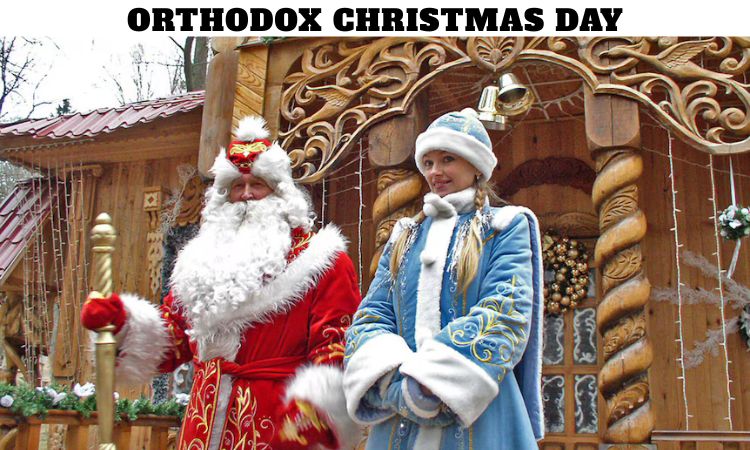
Orthodox Christmas Day, celebrated annually on January 7, is one of the most spiritually significant observances in the Christian calendar. For millions of Orthodox Christians around the world, this day commemorates the birth of Jesus Christ, honoring centuries-old traditions rooted in faith, devotion, and cultural heritage. While much of the world celebrates Christmas on December 25, Orthodox Christians observe it later due to their adherence to the Julian calendar, which differs from the Gregorian calendar used globally today.
Orthodox Christmas Day is not merely a festive occasion; it is a deeply sacred time marked by prayer, fasting, liturgical services, and meaningful family gatherings. It reflects the enduring strength of Orthodox Christianity and its commitment to preserving ancient rituals passed down through generations.
Why Orthodox Christmas Is Celebrated on January 7?
The reason Orthodox Christmas falls on January 7 lies in the use of the Julian calendar, introduced by Julius Caesar in 45 BCE. While most of the world adopted the Gregorian calendar in the 16th century for greater accuracy, many Orthodox churches continue to follow the Julian calendar for religious observances.
As a result, December 25 on the Julian calendar corresponds to January 7 on the Gregorian calendar. This difference has become a defining feature of Orthodox Christmas Day, symbolizing tradition, continuity, and faithfulness to early Christian practices.
The Spiritual Meaning of Orthodox Christmas
At its core, Orthodox Christmas celebrates the Incarnation of Christ, the belief that Jesus was born as the Son of God to bring salvation to humanity. The day emphasizes humility, hope, and divine love.
Orthodox theology places great importance on spiritual preparation. Christmas is not seen as a single-day celebration but as the culmination of a long period of reflection and fasting. Orthodox Christmas Day represents the fulfillment of prophecy and the triumph of light over darkness.
The Nativity Fast: Preparing for Christmas
In Orthodox Christianity, the celebration of Christmas is preceded by the Nativity Fast, 40 days beginning on November 15 and ending on January 6. This fast is a time of spiritual cleansing, prayer, repentance, and self-discipline.
During the Nativity Fast:
Meat and dairy are traditionally avoided
Prayer and church attendance are encouraged
Acts of charity and humility are emphasized
This period prepares believers spiritually to fully embrace the joy and holiness of Orthodox Christmas Day.
Christmas Eve in Orthodox Tradition
The most solemn observances often take place on January 6, known as Orthodox Christmas Eve. It is a day of strict fasting and prayer, with many believers abstaining from food until the first star appears in the sky, symbolizing the Star of Bethlehem.
Churches hold special services such as:
Royal Hours
Vespers with the Divine Liturgy
Readings from the Old Testament foretelling Christ’s birth
These rituals create a deeply reverent atmosphere leading into Orthodox Christmas Day.
Orthodox Christmas Day Church Services
Church services on January 7 are the heart of Orthodox Christmas celebrations. The Divine Liturgy is conducted with hymns, incense, and scripture readings that proclaim the birth of Christ.
Key elements of Orthodox Christmas services include:
The singing of ancient Christmas hymns
Gospel readings describing the Nativity
Blessings for peace, health, and prosperity
Churches are often beautifully decorated with icons, candles, and evergreen branches, reflecting both joy and reverence.
Traditional Orthodox Christmas Foods
Food plays an important role in Orthodox Christmas celebrations, symbolizing abundance, gratitude, and community. After the Nativity Fast ends, families gather to share festive meals.
Common traditional foods include:
Kutia (a sweet grain pudding with honey and nuts)
Roasted meats and fish
Bread and pastries
Regional holiday dishes are unique to each culture
Meals are often shared with extended family, reinforcing unity and togetherness on Orthodox Christmas Day.
Orthodox Christmas Around the World
Orthodox Christmas is celebrated across many countries, each adding unique cultural elements while preserving the spiritual essence.
Russia
In Russia, Orthodox Christmas is a public holiday marked by church services, family feasts, and traditional songs. January 7 is a day of rest, prayer, and reflection.
Ukraine
Ukrainian Orthodox Christmas features elaborate meals, caroling, and symbolic dishes like kutia. Traditional customs emphasize hospitality and remembrance of ancestors.
Greece
Although Greece follows the Revised Julian calendar and celebrates Christmas on December 25, some Orthodox communities still observe January 7. Religious devotion remains central to the celebration.
Serbia and Eastern Europe
In Serbia and neighboring regions, Orthodox Christmas includes rituals involving oak branches, candles, and blessings for prosperity and good fortune.
Orthodox Christmas Day unites diverse cultures under shared faith and tradition.
Symbols Associated with Orthodox Christmas
Orthodox Christmas is rich in symbolism, each element carrying spiritual meaning.
The Nativity Icon: Depicts Christ’s birth surrounded by Mary, Joseph, angels, shepherds, and the Magi
Candles: Represent Christ as the Light of the World
Evergreen Branches: Symbolize eternal life
These symbols enhance the sacred atmosphere of Orthodox Christmas Day.
Orthodox Christmas vs. Western Christmas
While the central belief remains the same, Orthodox Christmas differs from Western Christmas in several ways.
Key distinctions include:
Date of celebration
Greater emphasis on fasting and preparation
Longer and more solemn church services
Fewer commercial influences
Orthodox Christmas Day focuses more on spiritual renewal than material celebration, highlighting faith over festivity.
Modern Observance of Orthodox Christmas
In today’s world, Orthodox Christmas continues to be observed with deep devotion, even as societies modernize. Many believers balance traditional practices with contemporary lifestyles, ensuring the essence of the holiday remains intact.
Social gatherings, charitable acts, and digital church services have become more common, allowing Orthodox Christmas to adapt while preserving its sacred core.
The Importance of Family and Community
Orthodox Christmas Day emphasizes family unity and compassion. It is a time for forgiveness, reconciliation, and generosity. Many families use this day to help those in need, reflecting Christ’s message of love and humility.
Community meals, church gatherings, and shared prayers strengthen social bonds and reinforce collective faith.
Why Orthodox Christmas Day Remains Relevant?
Orthodox Christmas Day remains deeply relevant because it offers a pause from modern distractions and invites reflection on spiritual values. It reminds believers of the importance of faith, patience, and hope in an ever-changing world.
The celebration encourages inner peace, gratitude, and trust in divine purpose.
Conclusion: The Enduring Significance of Orthodox Christmas Day
Orthodox Christmas Day stands as a powerful testament to faith, tradition, and spiritual continuity. Rooted in ancient Christian practice, it continues to inspire millions through prayer, reflection, and celebration of Christ’s birth.