

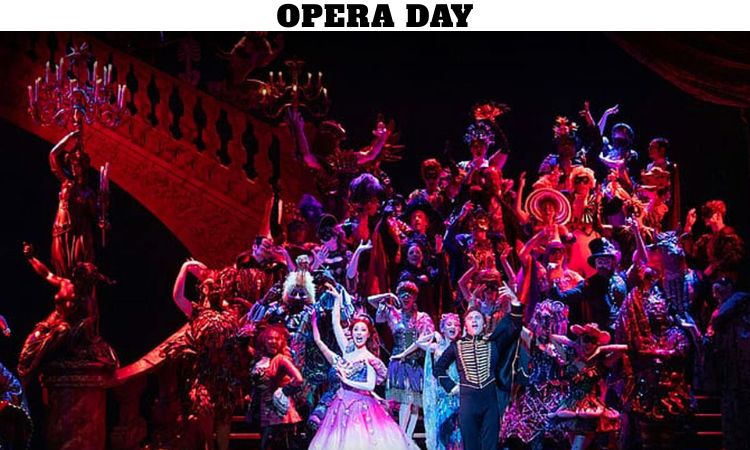
What Is Opera Day and Why Is It Celebrated on February 8?
Opera Day, observed annually on February 8, is a celebration of one of the most powerful and enduring art forms in human history. Opera combines music, drama, poetry, and visual spectacle into a single expressive experience that transcends language and culture. This day is dedicated to honoring the art of opera, the artists who bring it to life, and its profound influence on global culture.
We recognize Opera Day as an opportunity to appreciate artistic excellence, celebrate creative expression, and reflect on how opera continues to inspire audiences across generations.
How Did Opera Originate and Evolve Over Time?
Opera originated in late 16th-century Italy, emerging from efforts by artists and scholars to revive ancient Greek drama. Early composers sought to blend storytelling with music in a way that emphasized emotional depth and dramatic clarity.
We observe that opera evolved rapidly, spreading across Europe and adapting to cultural influences. From Baroque and Classical to Romantic and Modern eras, opera developed diverse styles, themes, and musical structures, reflecting changing artistic priorities and social contexts.
Why Is Opera Considered a Unique Art Form?
Opera stands apart because it integrates multiple artistic disciplines. Vocal performance, orchestral music, stage design, and dramatic storytelling come together to create an immersive experience.
We celebrate Opera Day by recognizing opera’s ability to convey intense emotion through music and voice. The human voice, trained to extraordinary levels, becomes a central instrument capable of expressing joy, sorrow, passion, and conflict.
What Are the Core Elements That Define Opera?
The defining elements of opera include libretto, score, vocal performance, orchestration, and staging. The libretto provides the narrative, while the score shapes emotional tone.
We acknowledge on Opera Day that each element plays a vital role. When combined, they produce a unified artistic expression that engages audiences intellectually and emotionally.
How Do Opera Voices Differ from Other Vocal Styles?
Opera singers undergo extensive training to project their voices over orchestras without amplification. This technique requires precise breath control, resonance, and vocal strength.
We recognize that opera voices are classified into distinct types such as soprano, mezzo-soprano, tenor, baritone, and bass. Each voice type brings unique tonal qualities that shape character portrayal and musical balance.
Why Are Opera Stories So Emotionally Powerful?
Opera narratives often explore universal themes such as love, betrayal, sacrifice, and redemption. These stories resonate across cultures and eras.
We celebrate Opera Day by acknowledging how music amplifies emotion. The combination of melody and drama intensifies storytelling, allowing audiences to connect deeply with the characters’ experiences.
How Has Opera Influenced Global Music and Culture?
Opera has had a profound influence on classical music, theater, and even modern film scores. Composers have drawn inspiration from operatic techniques to create emotionally rich compositions.
We observe on Opera Day that opera’s influence extends beyond concert halls. Its melodies, structures, and dramatic approaches continue to shape contemporary music and storytelling.
What Are Some of the Most Influential Opera Composers?
Opera history features legendary composers such as Wolfgang Amadeus Mozart, Giuseppe Verdi, Giacomo Puccini, and Richard Wagner. Each contributed distinct styles and innovations.
We honor these composers on Opera Day for shaping the art form. Their works remain central to opera repertoires worldwide, demonstrating timeless relevance and artistic mastery.
How Do Opera Houses Contribute to Cultural Heritage?
Opera houses are architectural and cultural landmarks. Venues such as La Scala, the Metropolitan Opera, and the Vienna State Opera serve as hubs for artistic excellence.
We recognize on Opera Day that these institutions preserve tradition while embracing innovation. They support artists, educate audiences, and maintain opera’s cultural significance.
What Role Does Costume and Set Design Play in Opera?
Visual elements enhance opera’s storytelling. Costumes reflect character, era, and emotion, while sets create immersive environments.
We celebrate Opera Day by highlighting the collaborative artistry behind each production. Designers work closely with directors and performers to ensure visual harmony with music and narrative.
How Can Opera Be Accessible to Modern Audiences?
Opera has evolved to reach broader audiences through subtitles, live broadcasts, and digital streaming. Modern productions often reinterpret classic works to resonate with contemporary themes.
We observe Opera Day as a reminder that accessibility is essential for cultural preservation. These innovations invite new generations to experience opera’s richness without barriers.
Why Is Opera Education Important?
Education fosters appreciation and understanding of opera. Programs in schools and communities introduce young audiences to vocal techniques, storytelling, and music theory.
We emphasize on Opera Day that education ensures continuity. By nurturing curiosity and creativity, opera education sustains the art form’s future.
How Does Opera Reflect Social and Historical Contexts?
Opera often mirrors societal values and conflicts of its time. Themes such as power, class, and morality are explored through dramatic narratives.
We celebrate Opera Day by recognizing opera as a historical record. Its stories offer insight into cultural shifts and human experience across centuries.
What Is the Role of the Orchestra in Opera?
The orchestra provides emotional depth and structural support. It underscores drama, foreshadows events, and enhances vocal performance.
We acknowledge on Opera Day that orchestral music is integral. The collaboration between singers and musicians creates dynamic and expressive performances.
How Can Opera Day Be Celebrated Today?
Opera Day can be celebrated by attending performances, listening to recordings, or exploring opera history. Watching live-streamed productions offers accessible ways to engage.
We encourage celebrating Opera Day through active participation. Supporting local opera companies and educational initiatives helps sustain the art form.
Why Does Opera Continue to Matter in the Modern World?
Opera remains relevant because it addresses timeless human emotions and experiences. Its artistic complexity challenges audiences while offering profound beauty.