

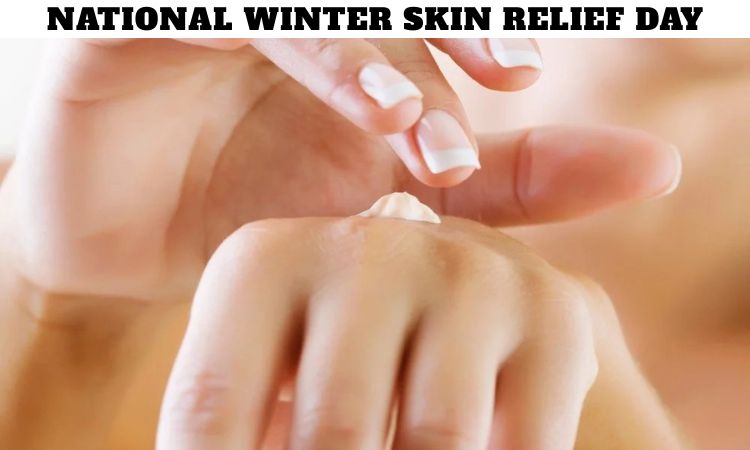
National Winter Skin Relief Day, observed annually on January 8, is dedicated to raising awareness about the challenges winter poses to skin health and the importance of proper skincare during cold months. As temperatures drop and humidity levels fall, skin often becomes dry, irritated, and sensitive. This day encourages individuals to adopt effective skincare routines that protect, nourish, and restore the skin throughout winter.
We recognize National Winter Skin Relief Day as an opportunity to understand seasonal skin changes, prioritize self-care, and implement practices that support long-term skin health. Winter skincare is not merely cosmetic—it is essential for comfort, confidence, and overall well-being.
Why Winter Is Hard on the Skin?
Winter brings environmental conditions that significantly affect the skin’s natural balance.
Low Humidity and Cold Air
Cold air holds less moisture, leading to reduced humidity. This lack of moisture draws water from the skin, resulting in dryness, flakiness, and tightness.
Indoor Heating
Heating systems further decrease indoor humidity, compounding skin dehydration. Prolonged exposure to dry indoor air weakens the skin barrier.
Harsh Winds
Cold winds strip away natural oils that protect the skin, increasing sensitivity and irritation, especially on exposed areas like the face and hands.
National Winter Skin Relief Day highlights these challenges to help individuals proactively protect their skin.
Common Winter Skin Problems
Dry and Flaky Skin
The most common winter complaint, dry skin, occurs when moisture is lost faster than it can be replenished.
Cracked Lips and Hands
Hands and lips are particularly vulnerable due to frequent exposure and washing. Cracks can become painful and prone to infection.
Itchiness and Irritation
Dry skin often leads to itching, redness, and discomfort, which can worsen with scratching.
Eczema and Psoriasis Flare-Ups
Cold weather can trigger flare-ups in individuals with chronic skin conditions, making winter skincare especially important.
Understanding the Skin Barrier
The skin barrier plays a crucial role in maintaining hydration and protecting against environmental damage. In winter, this barrier becomes compromised due to moisture loss and harsh conditions.
Strengthening the skin barrier with ceramides, fatty acids, and humectants helps retain moisture and restore balance. National Winter Skin Relief Day emphasizes barrier-focused skincare as the foundation of winter skin health.
Essential Winter Skincare Tips
Switch to Gentle Cleansers
Harsh cleansers strip natural oils from the skin. In winter, using mild, fragrance-free cleansers helps maintain moisture levels.
Moisturize Immediately After Cleansing
Applying moisturizer to damp skin locks in hydration. Thick creams and ointments are more effective than lotions during winter.
Use Humidifiers Indoors
Humidifiers add moisture to indoor air, helping prevent skin dehydration caused by heating systems.
Limit Hot Showers
Hot water may feel comforting, but it strips oils from the skin. Lukewarm showers are gentler and more skin-friendly.
Winter Skincare for the Face
The face is constantly exposed to cold air, making targeted care essential.
Hydrating Facial Moisturizers
Choose rich moisturizers containing hyaluronic acid, glycerin, shea butter, and ceramides to provide lasting hydration.
Protective Facial Oils
Facial oils create a protective layer that seals in moisture and shields the skin from harsh winds.
Don’t Skip Sunscreen
UV rays remain active during winter, especially in snowy conditions. Daily sunscreen protects against premature aging and skin damage.
Hand and Body Care in Winter
Intensive Hand Creams
Frequent handwashing removes protective oils. Using hand creams with urea, lanolin, or glycerin restores moisture and prevents cracking.
Body Butters and Creams
Heavier formulations provide deeper hydration for dry winter skin, particularly on elbows, knees, and legs.
Protective Clothing
Wearing gloves and scarves minimizes direct exposure to cold air, reducing moisture loss.
Lip Care During Winter
Lips lack oil glands, making them especially vulnerable.
Use nourishing lip balms with beeswax or shea butter
Avoid licking lips, which worsens dryness
Apply lip balm frequently, especially outdoors
National Winter Skin Relief Day underscores the importance of consistent lip care during cold months.
Nutrition and Hydration for Healthy Winter Skin
Stay Hydrated
Even in cold weather, adequate water intake is essential for skin hydration.
Eat Skin-Friendly Foods
Foods rich in omega-3 fatty acids, vitamins A, C, and E, and antioxidants support skin health from within.
Limit Alcohol and Caffeine
Excessive consumption can dehydrate the body and worsen skin dryness.
Winter Skincare for Different Skin Types
Dry Skin
Requires rich, occlusive moisturizers and minimal exfoliation.
Oily Skin
Even oily skin needs hydration. Lightweight creams and non-comedogenic products maintain balance.
Sensitive Skin
Fragrance-free and hypoallergenic products help prevent irritation.
Combination Skin
Targeted care ensures both dry and oily areas receive appropriate treatment.
Natural Remedies for Winter Skin Relief
Natural ingredients can complement skincare routines.
Aloe vera soothes irritation
Honey provides natural hydration
Oatmeal baths relieve itching and dryness
National Winter Skin Relief Day encourages gentle, natural solutions alongside clinical skincare.
The Importance of Consistency in Winter Skincare
Consistency is key to maintaining healthy skin throughout winter. Skipping moisturizing steps or switching products frequently can disrupt the skin barrier.
Establishing a simple, effective routine ensures long-term results and minimizes seasonal skin issues.
Professional Skincare and Dermatological Care
For persistent skin concerns, professional guidance is valuable.
Dermatologists provide tailored treatments
Medical-grade moisturizers offer advanced relief
Early intervention prevents complications
National Winter Skin Relief Day also promotes seeking expert care when necessary.
Mental Well-Being and Skin Health
Stress impacts skin health by weakening the immune response and triggering flare-ups. Winter self-care, including relaxation and stress management, supports both mental and skin health.
How to Observe National Winter Skin Relief Day?
Review and update your skincare routine
Invest in quality winter skincare products
Educate family members about winter skin care
Practice self-care and relaxation
This day serves as a reminder that healthy skin requires attention and care, especially during harsh winter months.
Conclusion: Prioritizing Skin Health on January 8
National Winter Skin Relief Day on January 8 emphasizes the importance of protecting and nourishing the skin during winter. By understanding seasonal challenges and adopting effective skincare practices, individuals can prevent discomfort, maintain healthy skin, and enhance overall well-being.