

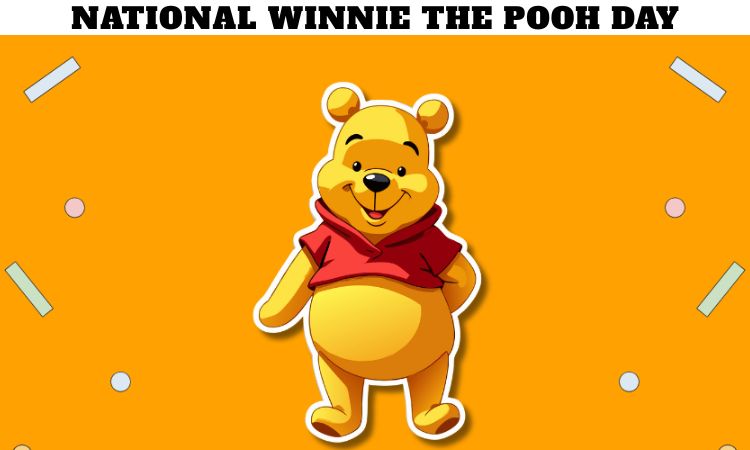
We celebrate National Winnie the Pooh Day on January 18 every year to honor one of the most beloved fictional characters in the history of children’s literature. This special day marks the birth anniversary of A. A. Milne, the creator of Winnie the Pooh, whose stories have transcended generations, cultures, and languages. Winnie the Pooh is more than a cartoon bear; he represents friendship, simplicity, kindness, and emotional wisdom that resonates with readers of all ages.
National Winnie the Pooh Day is observed worldwide by fans who cherish the gentle humor, philosophical undertones, and heartwarming lessons embedded in the Hundred Acre Wood stories. The legacy of Pooh continues to thrive in books, films, merchandise, theme parks, and educational discussions, making January 18 a meaningful cultural celebration.
The Origin of National Winnie the Pooh Day
National Winnie the Pooh Day is celebrated on January 18 to commemorate the birthday of Alan Alexander Milne, born in 1882. Milne introduced Winnie the Pooh to the world in 1926 through the book Winnie-the-Pooh, followed by The House at Pooh Corner in 1928. The inspiration behind the stories came from Milne’s son, Christopher Robin Milne, and his collection of stuffed animals.
The character of Winnie the Pooh was inspired by a real bear named Winnipeg, whom Christopher Robin adored at the London Zoo. Over time, Pooh evolved into a literary symbol of innocence, emotional intelligence, and enduring childhood wonder.
Why Winnie the Pooh Remains Universally Loved?
The enduring popularity of Winnie the Pooh lies in his simple yet profound philosophy of life. Pooh teaches us to value small joys, appreciate friendships, and approach life with curiosity rather than fear. Unlike many fictional heroes, Pooh does not strive for greatness; instead, he embodies contentment and kindness.
Key reasons for Pooh’s universal appeal include:
Relatable characters with human emotions
Timeless moral lessons without moralizing
Gentle humor that appeals to both children and adults
Emotional intelligence woven into simple narratives
These qualities ensure that Winnie the Pooh remains relevant even in the modern digital age.
The Hundred Acre Wood and Its Beloved Characters
The magical world of the Hundred Acre Wood is populated with characters who each represent unique personality traits and emotional states.
Winnie the Pooh: Symbolizes mindfulness, contentment, and gentle optimism
Piglet: Represents courage in the face of anxiety
Tigger: Embodies boundless energy and confidence
Eeyore: Reflects melancholy and resilience
Rabbit: Signifies logic and organization
Owl: Represents wisdom and self-importance
Christopher Robin: The bridge between imagination and reality
Together, these characters form a microcosm of human behavior, making the stories emotionally rich and psychologically insightful.
Cultural Impact of Winnie the Pooh
The cultural impact of Winnie the Pooh is vast and enduring. Pooh has appeared in animated films, television series, stage adaptations, video games, and theme parks. After Disney acquired the rights to Pooh in the 1960s, the character gained global visibility and became a cornerstone of family entertainment.
Winnie the Pooh has also influenced:
Children’s education and literacy
Psychological and philosophical studies
Pop culture and merchandise
Quotes and motivational literature
Pooh’s quotes are frequently cited for their wisdom, simplicity, and emotional depth, proving that children’s literature can offer profound life lessons.
Life Lessons from Winnie the Pooh
One of the most meaningful aspects of National Winnie the Pooh Day is reflecting on the life lessons embedded in the stories.
Key lessons include:
Friendship matters more than success
Kindness is a strength, not a weakness
Enjoy the present moment
Accept yourself as you are
Small acts of love create lasting happiness
These lessons make Winnie the Pooh especially relevant in a fast-paced, achievement-driven world where simplicity is often overlooked.
How is National Winnie the Pooh Day celebrated?
People celebrate National Winnie the Pooh Day in various creative and heartfelt ways across the world.
Popular ways to celebrate include:
Reading classic Winnie the Pooh books
Watching animated Pooh films with family
Sharing Pooh quotes on social media
Hosting themed parties or storytelling sessions
Introducing children to Pooh for the first time
Visiting Disney parks or Pooh-themed attractions
Schools and libraries often use this day to encourage reading, imagination, and emotional learning among children.
Winnie the Pooh in Modern Times
Despite being nearly a century old, Winnie the Pooh remains relevant today. Modern audiences appreciate Pooh for his mental health awareness themes, such as managing anxiety, embracing vulnerability, and finding joy in simple routines.
Pooh’s calm and mindful approach to life aligns closely with contemporary conversations around well-being, mindfulness, and emotional balance. This has helped Pooh maintain a strong presence in modern literature, media, and even therapeutic discussions.
Educational Value of Winnie the Pooh Stories
Educators and parents continue to use Winnie the Pooh stories for their educational value. The narratives help children develop:
Emotional intelligence
Empathy and compassion
Vocabulary and language skills
Moral reasoning
Creative thinking
The stories also offer adults a gentle reminder of childhood values often lost in adulthood.
Why January 18 Matters to Fans Worldwide?
January 18 is more than just a date; it is a celebration of imagination, kindness, and timeless storytelling. National Winnie the Pooh Day brings together generations of readers who share a love for gentle wisdom and heartfelt simplicity.
For lifelong fans, it is a nostalgic reminder of childhood. For new readers, it is an invitation into a world where friendship and kindness always triumph.
The Enduring Legacy of A. A. Milne
A. A. Milne’s literary contribution extends far beyond children’s books. Through Winnie the Pooh, Milne created a universe that reflects human emotions in their purest form. His writing continues to influence authors, educators, and thinkers worldwide.
Milne’s legacy is preserved not only through books but also through the continued relevance of Pooh’s philosophy in everyday life.
Conclusion: Celebrating the Spirit of Winnie the Pooh
National Winnie the Pooh Day is a heartfelt celebration of a character who has taught the world the value of kindness, patience, and friendship. Winnie the Pooh reminds us that happiness is often found in simple moments and meaningful connections.