

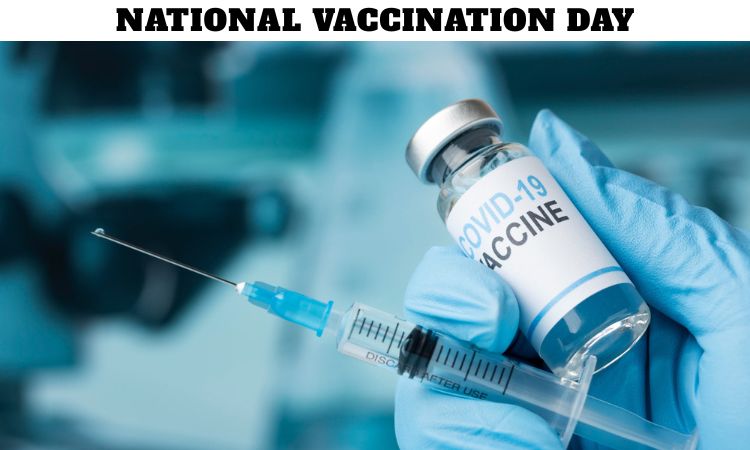
National Vaccination Day, observed annually on March 16, is a significant public health observance dedicated to promoting the importance of immunization in preventing life-threatening diseases. This day commemorates the launch of widespread vaccination initiatives that have transformed healthcare outcomes and improved life expectancy across populations. Through awareness campaigns, educational programs, and healthcare initiatives, we reaffirm our collective commitment to safeguarding communities through timely and effective vaccination.
Vaccination has been one of the most powerful tools in modern medicine, helping control outbreaks, reduce mortality rates, and strengthen global health security. National Vaccination Day provides an opportunity to recognize these achievements while encouraging continued participation in immunization programs.
Historical Background of National Vaccination Day
The observance of National Vaccination Day is closely linked to efforts to eliminate vaccine-preventable diseases and enhance access to healthcare services. Mass immunization drives conducted in various regions demonstrated that coordinated vaccination campaigns could dramatically reduce disease transmission.
We recognize this day as a milestone that reflects decades of scientific innovation, public health planning, and community involvement. Over time, vaccination programs have expanded to include protection against multiple infectious diseases affecting children and adults alike. The success of these programs underscores the importance of sustained awareness and public trust in immunization initiatives.
Understanding Vaccination and How It Works
Vaccination is a medical process in which individuals receive a vaccine designed to stimulate the body’s immune system to recognize and fight specific pathogens. Vaccines typically contain weakened or inactive parts of viruses or bacteria that trigger an immune response without causing the disease itself.
When vaccinated, the body produces antibodies that remain prepared to defend against future infections. This immune memory enables faster and more effective protection if exposure occurs later. Through widespread vaccination coverage, communities benefit from reduced disease transmission and improved overall health outcomes.
We emphasize that vaccines undergo rigorous testing and regulatory approval to ensure safety, effectiveness, and quality before public distribution.
The Importance of Immunization in Public Health
Immunization plays a crucial role in preventing outbreaks and reducing the burden on healthcare systems. Diseases that once caused widespread suffering and fatalities can now be controlled or eliminated through consistent vaccination coverage.
We observe that vaccination contributes to:
Reduced child mortality rates
Lower healthcare costs
Improved productivity and economic stability
Enhanced quality of life
By protecting individuals from preventable illnesses, immunization strengthens societal resilience and promotes long-term development.
Key Vaccination Programs and Their Impact
National vaccination initiatives typically include immunization schedules covering infancy, childhood, adolescence, and adulthood. Routine vaccines help prevent diseases such as measles, polio, hepatitis, and influenza.
We recognize that targeted vaccination drives during outbreaks are also essential in controlling disease spread. Public health authorities collaborate with healthcare providers, educational institutions, and community organizations to ensure widespread coverage.
The introduction of digital health records and mobile outreach services has improved vaccine accessibility in remote and underserved areas. These innovations contribute to higher immunization rates and better monitoring of public health trends.
Challenges in Achieving Universal Vaccination
Despite significant progress, challenges remain in achieving universal vaccination coverage. Geographic barriers, misinformation, vaccine hesitancy, and logistical limitations can hinder immunization efforts.
We acknowledge that addressing these challenges requires a comprehensive approach that includes public education, transparent communication, and infrastructure development. Strengthening cold-chain systems, improving healthcare workforce training, and fostering community engagement are critical components of successful vaccination programs.
Additionally, global health emergencies can disrupt routine immunization services, emphasizing the need for resilient healthcare systems capable of adapting to changing circumstances.
The Role of Awareness Campaigns on National Vaccination Day
National Vaccination Day serves as a platform for promoting accurate information about vaccines and encouraging proactive health behaviors. Awareness campaigns often include seminars, workshops, media outreach, and vaccination drives aimed at increasing participation.
We observe that schools and workplaces play a vital role in disseminating information and facilitating immunization services. Educational initiatives help dispel myths and build confidence in vaccine safety and effectiveness.
Digital platforms have further expanded the reach of vaccination awareness messages, enabling health authorities to connect with diverse audiences and address public concerns promptly.
Community Participation and Social Responsibility
Community involvement is essential for the success of vaccination programs. When individuals choose to get vaccinated, they contribute not only to their own protection but also to the safety of those who cannot receive vaccines due to medical conditions.
This concept, often referred to as community immunity, reduces the likelihood of disease transmission and helps protect vulnerable populations. We emphasize the importance of collective responsibility in maintaining high immunization coverage and preventing outbreaks.
Local leaders, healthcare workers, and volunteers play a pivotal role in mobilizing communities and ensuring that vaccination services are accessible to all.
Innovations in Vaccine Development and Delivery
Advancements in medical research have led to the development of new vaccines and improved delivery methods. Modern vaccine technologies focus on enhancing efficacy, reducing side effects, and enabling faster production during health emergencies.
We recognize the growing use of data analytics, genomic research, and artificial intelligence in predicting disease patterns and optimizing vaccination strategies. These innovations enable healthcare systems to respond more effectively to emerging health threats.
Mobile vaccination units, telemedicine consultations, and digital appointment systems have further streamlined immunization processes, making it easier for individuals to receive timely vaccines.
Economic and Social Benefits of Vaccination
Vaccination contributes significantly to economic stability by reducing healthcare expenditures and preventing productivity losses caused by illness. Healthy populations are better equipped to pursue education, employment, and social engagement.
We observe that countries with strong immunization programs experience improved workforce participation and reduced strain on medical infrastructure. Investments in vaccination initiatives yield long-term returns by fostering sustainable development and public well-being.
Furthermore, vaccination campaigns often strengthen healthcare delivery systems, enhancing their capacity to address broader health challenges.
How Individuals Can Support National Vaccination Day?
Individuals can actively support National Vaccination Day by staying informed about recommended immunization schedules and encouraging family members and peers to participate in vaccination programs.
We recommend:
Consulting healthcare professionals for accurate guidance
Sharing credible health information within communities
Participating in local vaccination drives
Advocating for equitable access to healthcare services
By adopting preventive health practices and promoting awareness, individuals contribute to a healthier and more resilient society.
The Future of Immunization and Public Health Preparedness
The future of vaccination lies in continued innovation, global collaboration, and strengthened healthcare infrastructure. Emerging technologies are expected to enhance vaccine effectiveness and expand protection against new diseases.
We anticipate increased integration of personalized medicine approaches, enabling tailored immunization strategies based on individual health profiles. Strengthening international cooperation will also be vital in addressing cross-border health threats and ensuring equitable vaccine distribution.
National Vaccination Day provides an opportunity to reflect on past achievements while reaffirming our commitment to advancing public health through science and collective action.
Conclusion: Strengthening Health Through Immunization Awareness
National Vaccination Day on March 16 represents a powerful reminder of the transformative impact of immunization. Through sustained awareness efforts, community participation, and scientific progress, vaccination continues to save lives and improve global health outcomes.
We celebrate this observance by recognizing the dedication of healthcare professionals, researchers, and volunteers who work tirelessly to expand vaccination coverage. By prioritizing preventive healthcare and supporting immunization initiatives, we can build a future where vaccine-preventable diseases no longer pose a threat to society.
Frequently Asked Questions (FAQs)
1. What is National Vaccination Day?
National Vaccination Day is observed on March 16 to promote awareness about the importance of immunization in preventing infectious diseases and improving public health.
2. Why is National Vaccination Day celebrated?
It is celebrated to highlight the success of vaccination programs, encourage timely immunization, and educate people about the role of vaccines in saving lives.
3. What is the significance of vaccination?
Vaccination helps the body develop immunity against specific diseases, reducing the risk of severe illness, complications, and outbreaks within communities.
4. Who should get vaccinated?
Vaccination is recommended for people of all age groups, including infants, children, adolescents, adults, and senior citizens, according to national immunization schedules.
5. Are vaccines safe?
Yes, vaccines are considered safe as they undergo extensive clinical trials and regulatory approval processes before being made available for public use.
6. How do vaccines protect communities?
Vaccines contribute to community immunity, which reduces the spread of diseases and protects individuals who cannot be vaccinated due to medical conditions.
7. What diseases can be prevented through vaccination?
Vaccines can prevent diseases such as measles, polio, hepatitis, influenza, tetanus, and several other infectious illnesses.
8. How can people observe National Vaccination Day?
People can observe the day by participating in vaccination drives, spreading awareness, consulting healthcare professionals, and encouraging others to complete their immunization schedules.
9. What challenges affect vaccination programs?
Challenges include vaccine hesitancy, lack of awareness, limited healthcare access in remote areas, and logistical issues in vaccine distribution.
10. How can individuals support vaccination initiatives?
Individuals can support initiatives by staying informed, promoting credible health information, supporting public health campaigns, and ensuring timely vaccinations for themselves and their families.