

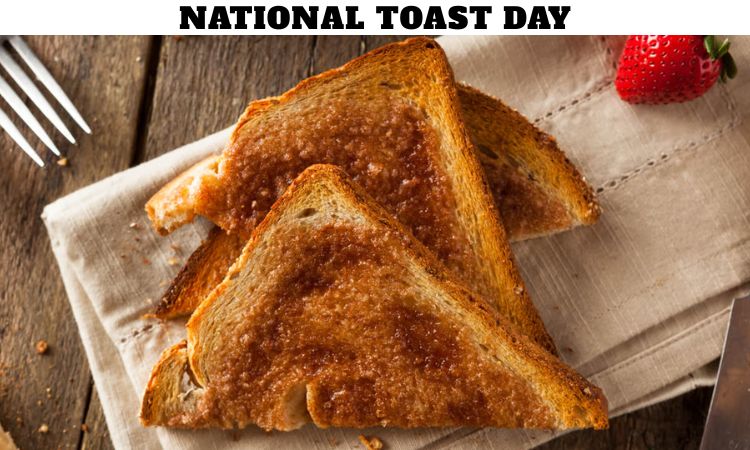
What Is National Toast Day, and Why Is It Celebrated on February 26?
National Toast Day, observed annually on February 26, is a celebration of one of the most beloved and versatile foods in the world—toast. Simple yet transformative, toast has become a breakfast essential, a comfort food staple, and a culinary canvas for creativity. On this day, we recognize how a humble slice of bread, when exposed to heat, becomes something irresistibly crisp, aromatic, and satisfying.
National Toast Day is more than just a food holiday; it’s a celebration of toasting. It highlights the science, history, and cultural significance of toast, reminding us that even the simplest foods can have a profound impact on daily life.
How Did Toast Originate in Human History?
Toast traces its origins back thousands of years. The word “toast” comes from the Latin term tostum, meaning “to scorch or burn.” Ancient civilizations, including the Egyptians and Romans, discovered that heating bread extended its shelf life by reducing moisture and preventing mold growth.
The Romans are credited with spreading the practice of toasting bread throughout Europe. As bread-making evolved, so did toasting methods. Early toast was prepared over open flames or hot stones, long before the invention of the modern toaster.
Over centuries, toast transitioned from a preservation method to a culinary preference, appreciated for its enhanced flavor and texture.
Why Does Toast Taste Better Than Plain Bread?
The transformation of bread into toast is driven by the Maillard reaction, a chemical process that occurs when heat reacts with amino acids and sugars in food. This reaction creates the golden-brown color, distinctive aroma, and complex flavor associated with toasted bread.
When bread is toasted:
Moisture evaporates, creating crispness
Sugars caramelize, enhancing sweetness
Aromatic compounds develop, intensifying flavor
The result is a slice that offers crunch on the outside and warmth inside—a sensory experience that plain bread cannot replicate.
How Did the Modern Toaster Revolutionize Breakfast?
The invention of the electric toaster in the late 19th and early 20th centuries transformed breakfast habits. Early electric toasters toasted only one side at a time and required manual flipping. Later innovations introduced automatic pop-up toasters, making the process faster and more convenient.
By the mid-20th century, toast became a breakfast staple in households across Europe and North America. The toaster’s accessibility cemented toast as a daily ritual, enjoyed with butter, jam, eggs, or countless other toppings.
Today, advanced toaster designs allow precise browning control, reaffirming toast’s enduring relevance in modern kitchens.
What Makes Toast So Universally Loved?
Toast’s popularity lies in its simplicity and adaptability. It serves as:
A quick breakfast solution
A base for sweet or savory toppings
A side for soups and salads
A comfort food during illness
From children to adults, toast appeals across age groups and cultures. It requires minimal preparation yet delivers maximum satisfaction.
The universal appeal of toast stems from its balance of flavor, texture, and versatility.
What Are the Most Popular Toast Toppings?
National Toast Day encourages creativity, and the possibilities for toppings are virtually endless. Some timeless favorites include:
Butter and jam
Peanut butter
Avocado
Honey
Scrambled eggs
Smoked salmon
Nutella
Cheese and tomatoes
Each topping transforms toast into a new culinary experience. Whether sweet or savory, simple or gourmet, toast adapts effortlessly to personal taste preferences.
How Has Avocado Toast Become a Modern Trend?
In recent years, avocado toast has become a cultural phenomenon. This modern twist on traditional toast features mashed or sliced avocado layered onto toasted bread, often topped with salt, pepper, chili flakes, or poached eggs.
Its rise in popularity is linked to social media, café culture, and increased interest in healthy eating. Avocado toast combines healthy fats, fiber, and flavor, making it both nutritious and visually appealing.
The trend demonstrates how toast continues to evolve while maintaining its fundamental simplicity.
Is Toast Healthy?
Toast can be part of a balanced diet, depending on the type of bread and toppings used. Whole-grain or whole-wheat bread provides:
Dietary fiber
B vitamins
Essential minerals
Pairing toast with protein-rich toppings like eggs or nut butter enhances its nutritional value. Choosing minimally processed spreads and fresh ingredients further supports health benefits.
When prepared thoughtfully, toast becomes a nourishing meal rather than just a quick snack.
How Do Different Cultures Enjoy Toast?
Toast transcends borders and appears in countless global cuisines.
In the United Kingdom, beans on toast is a classic comfort dish. In France, toast is often served as tartines topped with butter and preserves. In Japan, thick-cut milk bread toast is popular with butter and condensed milk. Mediterranean cuisines feature toast topped with olive oil, tomatoes, and herbs.
Each region adapts toast to reflect local flavors and traditions, reinforcing its global significance.
What Role Does Toast Play in Comfort Food Culture?
Toast is often associated with comfort and care. During illness, plain toast is recommended for its mild flavor and easy digestibility. Paired with tea or soup, it offers warmth and reassurance.
Its simplicity evokes nostalgia, reminding many of childhood breakfasts or family meals. Toast’s comforting nature extends beyond nutrition—it provides emotional familiarity.
National Toast Day celebrates this comforting quality that has sustained generations.
How Has Toast Inspired Gourmet Innovation?
While traditionally simple, toast has entered the gourmet culinary world. Artisan bakeries craft sourdough, multigrain, and seeded loaves specifically designed for toasting.
Chefs experiment with:
Ricotta and honey toast
Burrata and roasted vegetable toast
Pistachio and mascarpone toast
Truffle-infused mushroom toast
These elevated creations prove that toast can be both humble and sophisticated.
Why Is Sourdough Toast So Popular?
Sourdough bread, made through natural fermentation, produces a tangy flavor and chewy texture that becomes perfectly crisp when toasted. Its sturdy structure holds toppings well, making it ideal for both sweet and savory combinations.
Additionally, sourdough fermentation may improve digestibility and nutrient absorption. These qualities contribute to its growing popularity among health-conscious consumers.
Sourdough toast exemplifies how traditional methods can enhance modern culinary experiences.
What Are Creative Ways to Celebrate National Toast Day?
National Toast Day offers countless opportunities for enjoyment:
Host a toast-tasting party with various breads and toppings
Create a toast bar with sweet and savory options
Experiment with international toast recipes
Share your favorite toast creations on social media
Try baking your own bread for toasting
These activities transform a simple food into a festive celebration.
How Does Toast Reflect Simplicity and Innovation Together?
Toast embodies the balance between tradition and innovation. Its preparation method has remained fundamentally unchanged for centuries—heat applied to bread—yet its presentation continues to evolve.
From ancient fire-toasted slices to smart toasters with digital controls, toast bridges past and present. It represents how simple techniques can endure while adapting to modern lifestyles.
What Fun Facts Make Toast Even More Interesting?
Toasting reduces moisture content, making bread less prone to spoilage.
The ideal toast color, according to many experts, is golden brown—not dark brown.
Toast has even been used symbolically in ceremonies, such as raising a “toast” to honor achievements.
Some scientific experiments have analyzed the perfect browning temperature for optimal flavor.
These details add depth to our appreciation of toast.
Why Does National Toast Day Continue to Gain Popularity?
In an era of fast-paced living, toast remains relevant because it is quick, adaptable, and satisfying. Social media platforms showcase artistic toast designs, fueling renewed interest.
Food bloggers and chefs continue to reinvent toast with innovative toppings and presentations. As dietary trends shift toward balanced and mindful eating, toast adapts seamlessly.
National Toast Day reminds us that everyday foods deserve recognition for their lasting impact.
How Can Toast Be Both Simple and Extraordinary?
At its core, toast is merely bread exposed to heat. Yet its transformation creates texture, flavor, and aroma that elevate the ordinary into the extraordinary.
The crunch, warmth, and golden hue create a multisensory experience. Whether topped with basic butter or gourmet ingredients, toast offers comfort and creativity in every bite.
Its enduring popularity demonstrates that simplicity often holds the greatest power.
Why Should We Celebrate National Toast Day on February 26?
February 26 provides an opportunity to pause and appreciate a food that has accompanied humanity for centuries. Toast represents sustenance, innovation, and shared meals.
From breakfast tables to fine dining establishments, toast connects cultures and generations. It adapts to changing tastes while preserving its fundamental charm.