

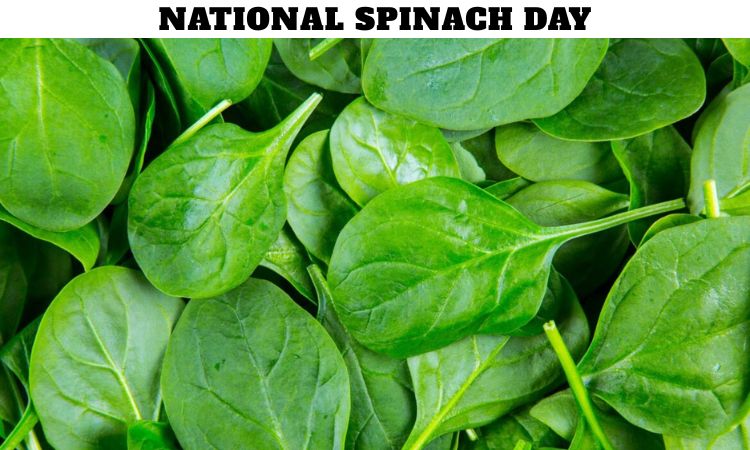
National Spinach Day, celebrated annually on March 26, is a delightful food observance dedicated to honoring one of the world’s most nutritious leafy greens. Spinach has long been valued for its exceptional health benefits, culinary versatility, and historical importance in global cuisine. This special day provides an opportunity to appreciate spinach’s role in promoting wellness, enhancing meals, and supporting sustainable agriculture.
We observe National Spinach Day as a moment to explore the vegetable’s origins, understand its nutritional advantages, and celebrate the countless ways it can be incorporated into modern diets. From traditional dishes to innovative recipes, spinach continues to inspire chefs, nutritionists, and home cooks alike.
Historical Background of Spinach
Spinach has a rich history that dates back thousands of years. Believed to have originated in ancient Persia, the leafy green gradually spread across Asia and Europe through trade routes. By the medieval period, spinach had become a popular crop in various regions due to its fast growth, adaptability, and nutritional value.
We recognize that spinach gained significant prominence during the Renaissance, particularly in Mediterranean cuisine. Its reputation as a healthy food strengthened further in the 20th century when scientific research highlighted its high levels of vitamins and minerals.
National Spinach Day reflects this long-standing appreciation for a vegetable that has nourished civilizations across generations.
Nutritional Benefits of Spinach
Spinach is widely regarded as a superfood, offering an impressive array of essential nutrients. Regular consumption supports overall health and contributes to disease prevention.
Key nutritional components include:
- Iron: Important for oxygen transport and energy production
- Vitamin A: Supports vision and immune function
- Vitamin C: Enhances immunity and promotes healthy skin
- Vitamin K: Essential for bone health and blood clotting
- Folate: Crucial for cell growth and development
- Magnesium: Helps maintain muscle and nerve function
We emphasize that spinach’s low-calorie content, combined with high nutrient density, makes it an ideal choice for balanced diets.
Health Advantages of Including Spinach in the Diet
The health benefits associated with spinach consumption are extensive. Research and dietary observations suggest that spinach may help:
- Improve cardiovascular health
- Strengthen bones and joints
- Support digestive wellness
- Enhance brain function
- Promote healthy weight management
We encourage incorporating spinach into daily meals as part of a comprehensive approach to nutrition. Its antioxidant properties may also help combat oxidative stress and inflammation.
Culinary Versatility of Spinach
One of spinach’s most appealing characteristics is its remarkable adaptability in cooking. It can be used in raw, sautéed, steamed, baked, or blended forms, making it suitable for a wide range of dishes.
Popular spinach-based preparations include:
- Fresh salads with nuts and fruits
- Creamed spinach side dishes
- Spinach soups and stews
- Smoothies and health drinks
- Pasta fillings and savory pastries
We observe that spinach pairs well with diverse ingredients such as cheese, garlic, tomatoes, mushrooms, and spices, enabling creative experimentation in the kitchen.
Spinach in Global Cuisine
Spinach plays a vital role in culinary traditions around the world. In Mediterranean countries, it is often used in savory pies and vegetable medleys. South Asian cuisine features spinach in spiced curries and lentil-based dishes, while European kitchens commonly incorporate it into pasta and baked casseroles.
We appreciate how spinach transcends cultural boundaries, serving as a unifying ingredient that reflects regional flavors and cooking styles. National Spinach Day celebrates this global connection through food.
Agricultural Importance of Spinach
Spinach is also significant from an agricultural perspective. Farmers value it for its short growing cycle, adaptability to different climates, and soil-enriching properties. Sustainable farming practices often include spinach as part of crop rotation systems.
We recognize that increasing demand for nutritious vegetables has encouraged the expansion of spinach cultivation worldwide. Supporting local spinach producers contributes to food security and economic resilience in rural communities.
Fun Facts About Spinach
National Spinach Day is a perfect occasion to share interesting trivia about this beloved green:
- Spinach is composed of approximately 90% water, making it highly hydrating.
- It can be harvested multiple times during a single growing season.
- Baby spinach leaves are often sweeter and more tender than mature leaves.
- Spinach gained iconic popularity through animated media in the early 20th century.
These facts highlight the vegetable’s unique characteristics and cultural impact.
Creative Ways to Celebrate National Spinach Day
We encourage individuals and communities to celebrate the day in engaging and meaningful ways. Some popular ideas include:
Cooking New Spinach Recipes
Experimenting with unfamiliar dishes helps expand culinary skills and appreciation for healthy ingredients.
Hosting Healthy Meal Gatherings
Friends and family can organize themed meals featuring spinach-based appetizers, main courses, and desserts.
Supporting Local Farmers’ Markets
Purchasing fresh spinach from local vendors strengthens community economies and promotes sustainable agriculture.
Educational Activities for Children
Schools and parents can introduce fun nutrition lessons, gardening projects, or cooking demonstrations focused on spinach.
Through such activities, National Spinach Day becomes both enjoyable and educational.
Spinach and Modern Health Trends
In recent years, spinach has gained renewed popularity due to rising awareness of plant-based diets, functional foods, and preventive healthcare. Nutrition experts often recommend leafy greens as foundational components of balanced eating patterns.
We observe that spinach is frequently included in detox programs, fitness meal plans, and wellness initiatives. Its versatility allows individuals to maintain dietary variety while prioritizing health goals.
Environmental Benefits of Growing Spinach
Spinach cultivation can also contribute positively to environmental sustainability. Compared to many other crops, spinach generally requires less water and fewer chemical inputs when grown responsibly.
We support practices such as organic farming, composting, and reduced pesticide use to ensure long-term ecological balance. Celebrating National Spinach Day encourages awareness of these environmentally conscious approaches.
Future Outlook for Spinach Consumption
As global populations become more health-conscious, demand for nutrient-rich vegetables like spinach is expected to rise. Innovations in agriculture, food processing, and distribution may further enhance accessibility and affordability.
We anticipate that spinach will continue to feature prominently in functional food products, ready-to-eat meals, and wellness-oriented culinary trends. National Spinach Day serves as a reminder of the vegetable’s enduring relevance in modern lifestyles.
Conclusion
National Spinach Day on March 26 highlights the extraordinary value of a simple yet powerful leafy green. From its ancient origins to its modern status as a superfood, spinach has consistently supported human health and culinary creativity.
Frequently Asked Questions (FAQs)
1. What is National Spinach Day?
National Spinach Day is a food observance celebrated on March 26 to recognize the nutritional value, culinary uses, and cultural importance of spinach.
2. When is National Spinach Day celebrated?
It is celebrated every year on March 26 by food lovers, health enthusiasts, and culinary communities.
3. Why is spinach considered a superfood?
Spinach is considered a superfood because it is rich in vitamins, minerals, antioxidants, and dietary fiber while being low in calories.
4. What nutrients are found in spinach?
Spinach contains important nutrients such as iron, vitamin A, vitamin C, vitamin K, folate, and magnesium.
5. How can people celebrate National Spinach Day?
People can celebrate by cooking spinach-based dishes, trying new recipes, visiting farmers’ markets, or learning about healthy eating habits.
6. Can spinach be eaten raw?
Yes, spinach can be eaten raw in salads and smoothies, or cooked in soups, curries, pasta dishes, and side preparations.
7. Where did spinach originally come from?
Spinach is believed to have originated in ancient Persia before spreading to other parts of Asia and Europe.
8. Is spinach good for weight management?
Yes, spinach supports weight management because it is low in calories and high in nutrients and fiber, helping people feel full longer.
9. Is National Spinach Day an official holiday?
No, it is not an official public holiday. It is an informal observance celebrated mainly by food and health communities.
10. What is the main purpose of National Spinach Day?
The main purpose is to promote awareness about the health benefits of spinach and encourage nutritious eating habits.