

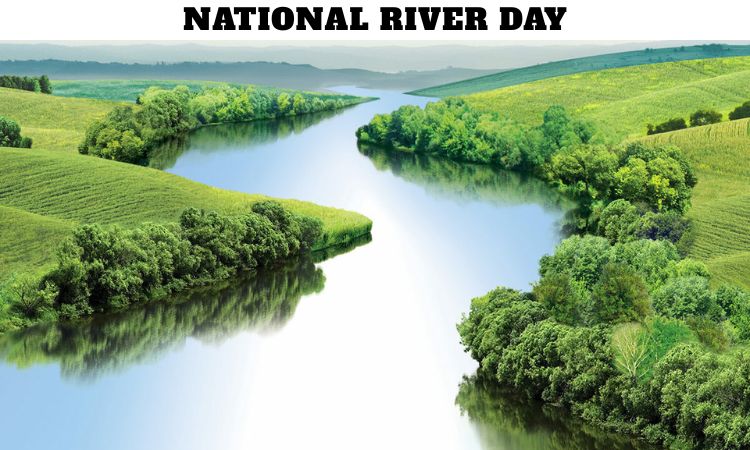
We observe National River Day on February 2 to recognize the immense ecological, cultural, economic, and spiritual value of rivers. Rivers are not merely flowing water bodies; they are lifelines of civilizations, shaping landscapes, sustaining biodiversity, enabling agriculture, and supporting human settlements for thousands of years. On this day, we collectively acknowledge the indispensable role rivers play in maintaining environmental balance and ensuring sustainable development for present and future generations.
National River Day serves as a reminder that protecting rivers is not optional—it is essential. From drinking water and irrigation to transportation and energy generation, rivers quietly power human progress while nurturing complex ecosystems along their banks.
The Global Significance of Rivers
Rivers connect mountains to oceans, villages to cities, and nature to humanity. Across continents, rivers such as the Ganga, Nile, Amazon, Yangtze, Mississippi, Danube, and Indus have shaped history and influenced economic growth. We depend on rivers for:
Freshwater supply
Food production and fisheries
Hydropower generation
Trade and transportation
Cultural and spiritual practices
On National River Day we emphasize the urgent need to conserve these freshwater systems as climate change, pollution, and over-extraction threaten their existence.
Why National River Day Matters More Than Ever?
Rivers and Environmental Balance
Rivers regulate ecosystems by supporting wetlands, forests, and floodplains. They recharge groundwater, moderate temperatures, and transport nutrients essential for soil fertility. When rivers are healthy, surrounding ecosystems thrive.
However, unchecked industrial discharge, plastic waste, untreated sewage, and deforestation have placed many rivers under extreme stress. National River Day highlights the necessity of river conservation, restoration, and responsible water management.
Cultural and Spiritual Importance of Rivers
For centuries, rivers have held deep cultural and spiritual meaning. In many traditions, rivers are worshipped as living entities. Communities celebrate festivals, rituals, and ceremonies centered around rivers, recognizing them as sources of purification and renewal.
We honor rivers not only for their physical benefits but also for their symbolic role in human identity, heritage, and belief systems. National River Day reinforces respect for rivers as sacred natural assets rather than exploitable resources.
Economic Contributions of Rivers
Rivers are powerful economic drivers. They support agriculture by providing irrigation, enable industries through water access, and sustain tourism and recreation. Inland waterways reduce transportation costs and carbon emissions, making them vital for sustainable trade.
By observing National River Day, we draw attention to the fact that a degraded river economy leads to long-term financial and social losses, while healthy rivers ensure resilient livelihoods.
Threats Facing Rivers Today
Pollution and Waste Discharge
Industrial effluents, agricultural runoff, and urban waste have severely contaminated many rivers. Toxic chemicals, heavy metals, and plastics disrupt aquatic life and make water unsafe for human use.
Climate Change and Altered Flow Patterns
Glacier melting, erratic rainfall, and prolonged droughts have altered river flow patterns. Floods and water scarcity now occur more frequently, threatening both ecosystems and communities.
Over-Extraction and River Fragmentation
Excessive water withdrawal and dam construction have reduced natural river flow, affecting fish migration and sediment transport. National River Day calls for balanced development that respects ecological limits.
The Role of Communities in River Protection
We believe river conservation begins at the grassroots level. Local communities play a crucial role in monitoring pollution, restoring riverbanks, and adopting sustainable water practices. Citizen-led initiatives such as river clean-up drives, afforestation, and awareness campaigns have demonstrated measurable positive impacts.
On National River Day, we encourage active public participation to ensure long-term river health.
Government Policies and River Conservation Efforts
Many nations have implemented river rejuvenation and water management programs focused on:
Pollution control and wastewater treatment
Riverfront development with ecological safeguards
Wetland and floodplain protection
Sustainable irrigation practices
National River Day provides an opportunity to assess policy effectiveness and reinforce accountability in river governance.
Educational Importance of National River Day
Raising awareness among students and young citizens is vital. Educational institutions play a significant role in shaping responsible water stewardship. Workshops, seminars, river walks, and research initiatives conducted on National River Day help build informed future leaders committed to environmental protection.
We emphasize that knowledge-driven conservation is the foundation of sustainable river management.
How We Can Contribute on National River Day?
Every individual action counts. On National River Day, we can:
Reduce water wastage at home and workplaces
Avoid dumping waste into water bodies
Support eco-friendly products and practices
Participate in river clean-up initiatives
Advocate for responsible environmental policies
These collective efforts create lasting positive change.
Rivers and Sustainable Development Goals
Healthy rivers are directly linked to achieving global sustainability targets, including clean water access, climate action, biodiversity conservation, and food security. National River Day aligns with the broader mission of building a future where development and environmental preservation coexist harmoniously.
We recognize that protecting rivers is fundamental to human survival and planetary health.
Looking Ahead: A Shared Responsibility
As we commemorate National River Day, we reaffirm our commitment to safeguarding rivers through informed action, responsible governance, and community participation. Rivers have given humanity life, prosperity, and cultural richness. It is our responsibility to ensure they continue to flow clean and free for generations to come.