

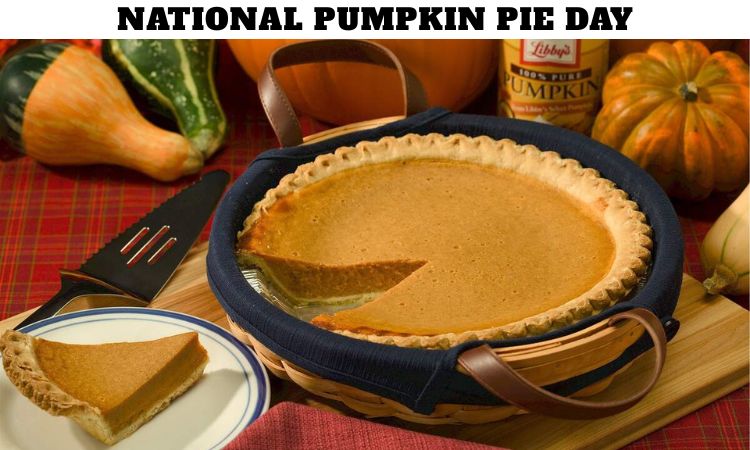
National Pumpkin Pie Day, celebrated annually on December 25, is a delicious tribute to one of the most iconic desserts in culinary history. As families across the world gather to celebrate Christmas, pumpkin pie takes center stage as a symbol of warmth, togetherness, and time-honored tradition. On this special day, we honor not only a beloved dessert but also the cultural, historical, and seasonal significance that pumpkin pie holds in festive celebrations.
Understanding the Significance of National Pumpkin Pie Day
National Pumpkin Pie Day is more than a food holiday; it is a celebration deeply woven into holiday traditions. Observed on December 25, it aligns perfectly with Christmas festivities, when desserts symbolize abundance and joy. Pumpkin pie, with its spiced aroma and creamy texture, reflects the essence of the winter season and the spirit of sharing.
We recognize this day as an opportunity to appreciate the journey of pumpkin pie from harvest fields to holiday tables, celebrating both culinary artistry and cultural heritage.
Historical Origins of Pumpkin Pie
The history of pumpkin pie dates back centuries. Pumpkins were cultivated by Indigenous peoples of North America long before European settlers arrived. Early colonists adopted pumpkins as a staple ingredient due to their versatility and abundance.
The evolution of pumpkin pie as we know it today began in the 17th and 18th centuries, when European baking techniques merged with local ingredients. Over time, pumpkin pie became a fixture of American holiday meals, especially during Thanksgiving and Christmas, eventually earning its own celebration in the form of National Pumpkin Pie Day.
Why December 25 Is National Pumpkin Pie Day?
December 25 is synonymous with celebration, indulgence, and family gatherings. Associating National Pumpkin Pie Day with Christmas enhances its festive appeal. On this day, pumpkin pie complements traditional holiday meals, offering a dessert that balances sweetness with comforting spices such as cinnamon, nutmeg, ginger, and cloves.
We embrace December 25 as the perfect occasion to celebrate pumpkin pie because it unites culinary pleasure with seasonal tradition, making it a natural choice for this honored date.
The Cultural Importance of Pumpkin Pie
Pumpkin pie represents far more than a dessert. It symbolizes home, heritage, and hospitality. Across generations, families pass down cherished pumpkin pie recipes, each reflecting personal tastes and cultural influences.
In many households, baking pumpkin pie is a ritual that brings family members together. From preparing the crust to blending the filling, the process fosters connection and shared memories, reinforcing the cultural importance of National Pumpkin Pie Day.
Traditional Pumpkin Pie Ingredients and Flavors
At the heart of every pumpkin pie lies a simple yet harmonious blend of ingredients. Traditional pumpkin pie typically includes:
Pumpkin purée made from cooked and mashed pumpkin
Eggs for structure and richness
Cream or evaporated milk for a smooth texture
Sugar or natural sweeteners for balanced sweetness
Spices such as cinnamon, nutmeg, ginger, and cloves
A flaky pastry crust that provides contrast and structure
These ingredients combine to create the unmistakable flavor profile that defines pumpkin pie and makes National Pumpkin Pie Day so beloved.
Modern Variations of Pumpkin Pie
While tradition remains strong, modern interpretations of pumpkin pie have expanded its appeal. Today, National Pumpkin Pie Day is celebrated with creative variations that cater to diverse tastes and dietary preferences.
Popular modern adaptations include:
Vegan pumpkin pie made with plant-based milk and egg substitutes
Gluten-free pumpkin pie using alternative flours for the crust
Pumpkin cheesecake pie blends creamy cheesecake with spiced pumpkin filling
Mini pumpkin pies are ideal for individual servings and festive displays
Pumpkin pie with caramel or chocolate accents for added indulgence
These variations demonstrate the versatility of pumpkin pie and ensure its relevance for contemporary celebrations.
Nutritional Value of Pumpkin Pie
Pumpkin pie offers more than just flavor. Pumpkin itself is a nutrient-rich ingredient, providing essential vitamins and minerals. When enjoyed in moderation, pumpkin pie can be part of a balanced holiday diet.
Key nutritional benefits include:
Vitamin A supports vision and immune health
Fiber aids digestion
Antioxidants contribute to overall wellness
On National Pumpkin Pie Day, we celebrate not only the taste but also the wholesome qualities of this classic dessert.
How is National Pumpkin Pie Day celebrated?
Celebrations of National Pumpkin Pie Day vary from household to household, yet they all share a common theme: appreciation. Many families bake pumpkin pies at home, while others explore artisanal bakeries or experiment with new recipes.
Common ways to celebrate include:
Hosting festive dinners featuring pumpkin pie desserts
Sharing homemade pumpkin pies with neighbors and friends
Trying innovative pumpkin pie recipes
Learning about the history and cultural significance of pumpkin pie
These activities enhance the joy of December 25 and strengthen the connection between food and tradition.
Pumpkin Pie Around the World
While pumpkin pie is most closely associated with North American cuisine, its influence has spread globally. International adaptations incorporate local spices, sweeteners, and preparation methods, showcasing the universal appeal of pumpkin-based desserts.
In various cultures, pumpkin desserts resemble pumpkin pie in flavor and texture, reinforcing the global appreciation celebrated on National Pumpkin Pie Day.
The Role of Pumpkin Pie in Festive Gatherings
Pumpkin pie often serves as the final course of festive meals, leaving a lasting impression. Its warm spices and creamy filling provide a sense of comfort that perfectly complements holiday celebrations.
We view pumpkin pie as a dessert that brings closure to celebratory meals, symbolizing gratitude, abundance, and togetherness—values that align seamlessly with the spirit of National Pumpkin Pie Day.
Why National Pumpkin Pie Day Continues to Matter?
In an ever-changing culinary landscape, National Pumpkin Pie Day remains relevant because it celebrates continuity. It honors a dessert that has stood the test of time while allowing room for creativity and innovation.
By dedicating December 25 to pumpkin pie, we preserve culinary traditions, foster family connections, and celebrate seasonal flavors that define festive experiences.
Conclusion: Honoring National Pumpkin Pie Day on December 25
National Pumpkin Pie Day on December 25 is a heartfelt celebration of tradition, flavor, and togetherness. From its historical roots to its modern interpretations, pumpkin pie continues to hold a special place in festive culture.