

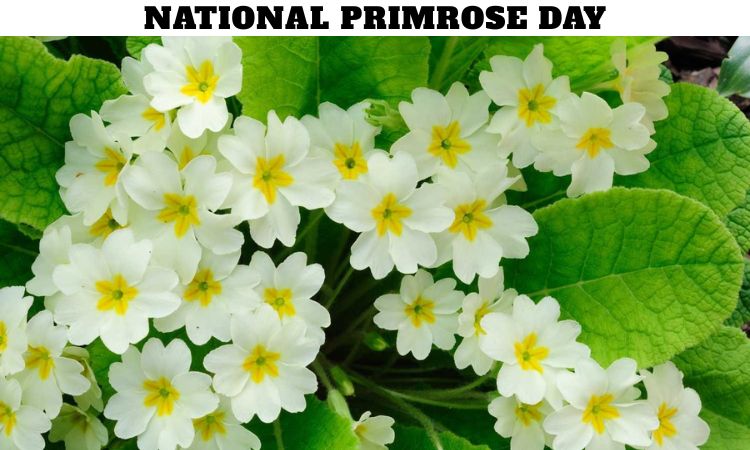
National Primrose Day, observed every year on February 5, is a special occasion dedicated to honoring the beauty, symbolism, and cultural significance of the primrose flower. Known for its delicate petals and vibrant colors, the primrose has long been associated with youth, renewal, love, and remembrance. This day encourages people to appreciate not only the flower itself but also the emotions and traditions it represents.
National Primrose Day is especially meaningful in countries like the United Kingdom, where the primrose holds historical and political importance. Over time, the day has evolved into a broader celebration of nature, early spring blooms, and the timeless charm of flowers that brighten our lives even in colder months.
What Is a Primrose Flower and Why Is It So Special?
The primrose belongs to the genus Primula, which includes more than 400 species of flowering plants. These flowers are typically among the first to bloom in spring, often appearing while winter is still fading away. Because of this early blooming nature, primroses symbolize hope, new beginnings, and resilience.
Primroses come in a wide variety of colors, including yellow, pink, purple, red, blue, and white. Their soft petals and pleasant appearance make them popular in gardens, floral arrangements, and landscapes. Beyond their beauty, primroses are admired for their ability to thrive in cool climates, making them a symbol of endurance and quiet strength.
Why Is National Primrose Day Connected to British History?
National Primrose Day has deep roots in British history, particularly in connection with Benjamin Disraeli, a former Prime Minister of the United Kingdom. Disraeli was closely associated with the primrose flower, which was said to be his favorite.
After his death on April 19, 1881, Queen Victoria reportedly sent a wreath of primroses to his funeral. Over time, primroses became a symbol of remembrance for Disraeli, and supporters would lay primroses at his statue annually. Although the historical observance initially focused on April 19, February 5 gradually became recognized as National Primrose Day in a more general, symbolic sense—celebrating the flower itself rather than a single figure.
What Does the Primrose Symbolize in Different Cultures?
The primrose carries rich symbolism across various cultures and traditions. In general, it represents youth, renewal, and early love, but its meaning can vary depending on context.
In Victorian flower language, primroses symbolized “I can’t live without you”, making them a powerful expression of affection and emotional dependency. In folklore, primroses were believed to have protective qualities and were often associated with fairies and magical realms.
In modern symbolism, primroses are often linked to new beginnings, optimism, and gentle strength, making them especially meaningful during late winter and early spring when people long for warmth and growth.
How Is National Primrose Day Celebrated Around the World?
National Primrose Day is not a public holiday, but it is observed by flower lovers, gardeners, historians, and nature enthusiasts in meaningful ways. Common celebrations include:
Planting primroses in home gardens or community spaces
Sharing primrose-themed photos and messages on social media
Learning about the historical and cultural significance of the flower
Visiting botanical gardens or flower exhibitions
Gifting primroses to loved ones as a symbol of care and remembrance
In the UK, some people still associate the day with historical remembrance, while others simply enjoy it as a celebration of floral beauty and seasonal change.
Why Is February 5 the Perfect Date for National Primrose Day?
February 5 falls at a time when winter is slowly transitioning toward spring in many parts of the world. While the weather may still be cold, primroses often begin blooming during this period, making the date especially fitting.
This timing symbolizes hope during the coldest months, reminding people that brighter days are ahead. National Primrose Day encourages mindfulness, patience, and appreciation for nature’s quiet transformations—even when they happen subtly.
How Can Gardeners Celebrate National Primrose Day at Home?
Gardeners can find special joy in National Primrose Day by incorporating primroses into their gardening routines. Primroses are relatively easy to grow and thrive in cool, shaded environments with well-drained soil.
Ways gardeners can celebrate include:
Planting primrose seeds or seedlings
Caring for existing primrose plants
Learning about different primrose varieties
Creating a small flower bed dedicated to early spring blooms
Celebrating the day through gardening also promotes mental well-being, as tending plants has been shown to reduce stress and improve mood.
What Are the Most Popular Types of Primroses?
There are hundreds of primrose species, but some are especially popular among gardeners and flower enthusiasts:
Common Primrose (Primula vulgaris) – Known for pale yellow flowers and classic beauty
English Primrose – A traditional garden favorite
Polyanthus Primrose – Features clusters of brightly colored blooms
Cowslip (Primula veris) – Often found in meadows and known for its medicinal uses
Japanese Primrose (Primula japonica) – Prefers moist conditions and produces striking flowers
Each type adds its own charm, making primroses versatile and widely loved.
What Role Do Primroses Play in Literature and Art?
Primroses have appeared in poetry, literature, and art for centuries. Famous writers like William Shakespeare referenced primroses as symbols of youth and fleeting beauty. In paintings and decorative art, primroses often represent innocence, simplicity, and the gentle passage of time.
Their presence in creative works reinforces the emotional connection people feel toward these flowers, making National Primrose Day not just a botanical celebration but also a cultural one.
How Can National Primrose Day Be Celebrated Digitally?
In today’s digital age, National Primrose Day is often celebrated online. People share:
Inspirational quotes about flowers and nature
Photos of primroses from gardens or parks
Educational posts about flower symbolism
Short messages promoting self-care and renewal
Hashtags related to flowers, nature, and seasonal change help spread awareness and appreciation for the primrose beyond traditional boundaries.
Why Is National Primrose Day Important in Modern Life?
National Primrose Day serves as a gentle reminder to slow down and appreciate small joys. In a fast-paced, technology-driven world, taking a moment to admire a simple flower can foster mindfulness and gratitude.
The day also highlights the importance of environmental awareness, encouraging people to protect natural habitats and support biodiversity. Flowers like primroses play a crucial role in ecosystems, supporting pollinators and maintaining ecological balance.
What Life Lessons Can We Learn from the Primrose Flower?
The primrose teaches valuable life lessons through its natural behavior. Blooming early despite cold conditions, it symbolizes resilience, courage, and quiet confidence. It reminds us that growth doesn’t always need ideal circumstances—sometimes strength shows itself in subtle ways.
National Primrose Day encourages people to embrace change, stay hopeful during difficult times, and find beauty even in transitional phases of life.
How Can You Personally Observe National Primrose Day This Year?
You don’t need grand gestures to observe National Primrose Day. Simple acts can make the day meaningful, such as:
Spending time outdoors
Learning something new about flowers
Gifting a plant to someone special
Reflecting on personal growth and renewal
Whether you celebrate alone or with others, the essence of the day lies in appreciation, reflection, and connection with nature.
What Is the Lasting Message of National Primrose Day?
National Primrose Day on February 5 reminds us that beauty often arrives quietly and unexpectedly. Like the primrose itself, life’s most meaningful moments are sometimes subtle yet deeply impactful.