

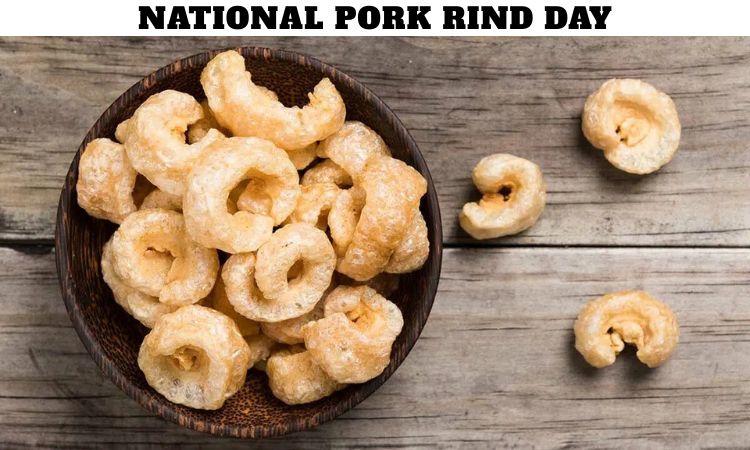
Every year on February 5, snack lovers across the United States and beyond celebrate National Pork Rind Day, a fun and flavorful food holiday dedicated to one of the most iconic crunchy snacks—pork rinds. Known for their bold taste, crispy texture, and surprisingly simple ingredients, pork rinds have a long culinary history and continue to gain popularity among modern snackers, especially those following low-carb and keto lifestyles.
National Pork Rind Day is more than just an excuse to munch on a salty treat. It’s a day to recognize the cultural significance, evolving flavors, and growing appreciation for this humble yet beloved snack.
What Are Pork Rinds?
Pork rinds, also known as chicharrones, are made from pork skin that has been fried or roasted until it becomes light, airy, and crunchy. Traditionally seasoned with salt, modern pork rinds now come in a wide variety of flavors, including barbecue, spicy chili, garlic, vinegar, and even sweet-savory blends.
Despite their reputation as a “junk food,” pork rinds are actually carbohydrate-free, making them a popular alternative to chips and crackers for people on low-carb, keto, and gluten-free diets.
The History of Pork Rinds
The origins of pork rinds date back thousands of years. Early civilizations used every part of the animal, and frying pork skin was a practical way to reduce waste while creating a flavorful food.
Ancient Roots
Pork skin snacks were common in ancient China and parts of Europe
Frying preserved the meat and made it easier to store
Similar pork-skin dishes appeared independently across cultures
Global Variations
Pork rinds are enjoyed worldwide under different names:
Chicharrón – Latin America and Spain
Scratchings – United Kingdom
Cracklings – Southern United States
Torresmo – Brazil
Bì heo chiên – Vietnam
Each culture adds its own seasoning, cooking style, and local flair.
Why is National Pork Rind Day celebrated on February 5?
While the exact origin of National Pork Rind Day is unclear, the date is widely recognized by snack brands, food bloggers, and pork industry groups as a way to celebrate the versatility and popularity of pork rinds.
February 5 is a perfect winter snack holiday—cold weather, comfort food cravings, and football season all make crunchy snacks especially appealing.
Why Pork Rinds Are So Popular Today?
Pork rinds have experienced a major resurgence in recent years, and several trends have contributed to their comeback.
1. Low-Carb and Keto Diets
Pork rinds contain:
Zero carbohydrates
High protein
No gluten
This makes them ideal for keto, paleo, and diabetic-friendly diets.
2. Clean Ingredients
Many pork rinds are made with just:
Pork skin
Salt
Oil
Compared to highly processed snacks, this simplicity appeals to health-conscious consumers.
3. Bold New Flavors
Modern brands offer innovative flavors like:
Jalapeño
Buffalo
Salt & vinegar
Truffle
Cinnamon sugar
These upgrades have helped pork rinds shed their outdated image.
Nutritional Facts About Pork Rinds
While pork rinds should be enjoyed in moderation, they offer some surprising nutritional benefits.
Basic Nutrition (per 1 oz serving)
Calories: ~150
Protein: 8–9g
Carbohydrates: 0g
Fat: 9–10g
Pros
Carb-free
Gluten-free
High in protein
Satisfying and filling
Cons
High in sodium
Contains saturated fat
Not suitable for vegetarian or vegan diets
Pork Rinds vs. Other Snacks
| Snack | Carbs | Protein | Gluten-Free |
|---|---|---|---|
| Potato Chips | High | Low | Sometimes |
| Pretzels | High | Low | No |
| Popcorn | Moderate | Low | Yes |
| Pork Rinds | Zero | High | Yes |
This comparison shows why pork rinds are often chosen as a healthier alternative—especially for low-carb eaters.
How Pork Rinds Are Made?
The traditional pork rind production process includes:
Cleaning the pork skin
Slow cooking to remove fat
Drying the skin
Frying or roasting until puffed
Seasoning
Some premium brands now bake pork rinds instead of frying to reduce oil content.
Popular Ways to Enjoy Pork Rinds
On National Pork Rind Day, fans enjoy pork rinds in many creative ways.
Classic Snacking
Straight from the bag
Paired with cold beverages
With Dips
Guacamole
Queso
Salsa
Cream cheese dips
As a Cooking Ingredient
Crushed pork rinds as a breadcrumb substitute
Keto fried chicken coating
Topping for casseroles
Crunchy salad garnish
Pork Rinds in Global Cuisine
Pork rinds are deeply rooted in many traditional cuisines.
Latin America
Chicharrones are often served:
With rice and beans
Inside tacos or arepas
As a street food snack
Southern United States
Cracklings are popular in:
Cajun and Creole dishes
Cornbread recipes
Soul food traditions
Asia
In parts of Southeast Asia, fried pork skin is:
Served with noodle soups
Used as a crunchy topping
Paired with spicy sauces
How to Celebrate National Pork Rind Day?
Looking for ways to celebrate National Pork Rind Day on February 5? Here are some fun ideas:
1. Try a New Flavor
Explore gourmet or international pork rind varieties.
2. Host a Snack Party
Set up a pork rind tasting with dips and seasonings.
3. Cook a Keto Recipe
Use pork rinds as a low-carb cooking ingredient.
4. Share on Social Media
Post your favorite snack using hashtags like:
#NationalPorkRindDay
#PorkRindLovers
#Chicharrones
5. Support Local Brands
Many small businesses specialize in handcrafted pork rinds.
Are Pork Rinds Sustainable?
Pork rinds are often praised for supporting nose-to-tail eating, a philosophy that encourages using all parts of an animal to reduce waste. By turning pork skin into a popular snack, pork rinds contribute to more sustainable food practices when sourced responsibly.
Fun Facts About Pork Rinds
Pork rinds were one of the first mass-produced snack foods in the U.S.
They were especially popular during World War II due to rationing
Some high-end restaurants now feature gourmet pork rinds on menus
Pork rinds can stay crunchy for long periods due to low moisture content
Common Myths About Pork Rinds
Myth 1: Pork rinds are unhealthy junk food
Reality: While high in fat, they contain no carbs and minimal ingredients.
Myth 2: Pork rinds are only for older generations
Reality: Younger consumers are driving the snack’s comeback.
Myth 3: Pork rinds all taste the same
Reality: Flavor innovation has transformed the category.
The Future of Pork Rinds
The pork rind industry continues to evolve with:
Organic and pasture-raised options
Reduced-sodium versions
Global flavor influences
Gourmet packaging and branding
As food trends lean toward high-protein, low-carb snacks, pork rinds are likely to remain a favorite for years to come.
Conclusion
National Pork Rind Day on February 5 is a celebration of flavor, tradition, and crunchy satisfaction. From ancient cooking practices to modern keto kitchens, pork rinds have proven their staying power in the snack world. Whether you enjoy them plain, flavored, dipped, or cooked into recipes, this special day is the perfect excuse to indulge in a timeless treat.