

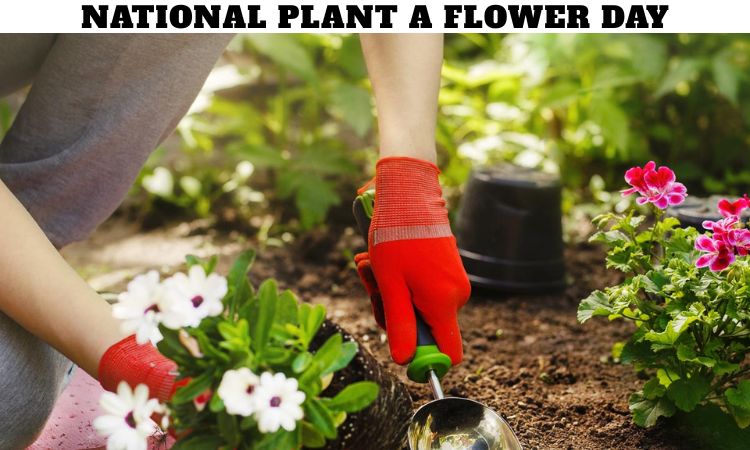
Every year on March 12, gardening enthusiasts, environmentalists, and nature lovers celebrate National Plant a Flower Day, a special occasion dedicated to planting flowers and welcoming the beauty of spring. This day encourages people to step outside, connect with nature, and add color and life to their surroundings.
Flowers have long symbolized hope, renewal, happiness, and natural beauty. Planting flowers is not just an enjoyable hobby—it also contributes to environmental health, supports pollinators, and improves mental well-being. National Plant a Flower Day reminds us that even a small act like planting a single flower can make a meaningful difference in our environment.
This celebration is perfect for gardeners, families, schools, and communities who want to spread beauty, support nature, and celebrate the arrival of spring.
What Is National Plant a Flower Day, and Why Is It Celebrated on March 12?
National Plant a Flower Day is an annual celebration that encourages people to plant flowers in gardens, parks, balconies, or any available green space. It is observed on March 12, just as many parts of the world begin transitioning from winter to spring.
This time of year is ideal for planting flowers because the weather becomes warmer and the soil begins to support new plant growth. The day acts as a reminder that nature is renewing itself, and it encourages people to participate in that renewal by planting something beautiful.
The purpose of this day includes:
Encouraging gardening and outdoor activities
Promoting environmental awareness
Supporting pollinators such as bees and butterflies
Beautifying homes and communities
By planting flowers, individuals contribute to both personal happiness and ecological balance.
Why Are Flowers Important for the Environment?
Flowers are much more than decorative plants. They play a critical role in maintaining the health of ecosystems. Many species depend on flowering plants for food, shelter, and survival.
One of the most important ecological functions of flowers is pollination. Flowers attract pollinators like bees, butterflies, birds, and insects, which help plants reproduce and maintain biodiversity.
Environmental benefits of planting flowers include:
Supporting pollinators and wildlife
Improving air quality
Preventing soil erosion
Increasing urban green spaces
Promoting biodiversity
Even a small flower garden can help sustain local ecosystems and create a healthier environment.
How Did National Plant a Flower Day Begin?
The exact origin of National Plant a Flower Day is not widely documented, but the celebration likely emerged from the growing interest in gardening and environmental awareness.
As people recognized the importance of plants for ecological balance and mental health, the idea of dedicating a day to planting flowers gained popularity. Gardening communities, environmental organizations, and schools began encouraging people to participate in planting activities each spring.
Over time, the day became an annual reminder that nature thrives when people actively care for it.
What Are the Best Flowers to Plant on March 12?
The best flowers to plant on National Plant a Flower Day depend on your climate and location. However, many flowers thrive during early spring and are ideal for planting in March.
Popular spring flowers include:
Tulips
Tulips are one of the most recognizable spring flowers. Their bright colors and elegant shape make them a favorite in gardens worldwide.
Daffodils
Daffodils symbolize renewal and new beginnings. They are easy to grow and bloom beautifully in early spring.
Marigolds
These vibrant flowers are known for their golden colors and ability to repel certain pests, making them useful in gardens.
Petunias
Petunias are versatile flowers that can grow in garden beds, hanging baskets, and containers.
Sunflowers
Sunflowers bring bright color and attract pollinators while also producing seeds for birds.
Planting any of these flowers can bring immediate beauty to your outdoor space.
How Can Beginners Start Planting Flowers?
Planting flowers does not require professional gardening skills. Even beginners can successfully grow beautiful plants with a few simple steps.
1. Choose the Right Location
Most flowers need sunlight, well-drained soil, and adequate space to grow.
2. Prepare the Soil
Loosen the soil and mix in compost or organic fertilizer to provide nutrients.
3. Select Healthy Seeds or Plants
Choose high-quality seeds or seedlings from a trusted garden center.
4. Water Regularly
Flowers need consistent watering, especially during their early growth stages.
5. Provide Proper Care
Remove weeds, add mulch, and monitor plant health regularly.
These simple steps make flower planting an easy and rewarding activity.
Why Does Gardening Improve Mental Health?
Gardening and planting flowers have been shown to provide numerous mental health benefits. Spending time outdoors and interacting with nature can reduce stress and improve mood.
Benefits of planting flowers include:
Reducing anxiety and stress
Encouraging relaxation
Boosting creativity
Improving focus and mindfulness
Many people find gardening to be a therapeutic activity that promotes emotional well-being.
National Plant a Flower Day encourages people to slow down, reconnect with nature, and enjoy the peaceful experience of gardening.
How Can Families Celebrate National Plant a Flower Day?
National Plant a Flower Day is a perfect opportunity for families to spend quality time together while doing something meaningful.
Family-friendly activities include:
Planting a Garden Together
Families can create a small garden in their backyard or plant flowers in pots.
Decorating Flower Pots
Children can paint and decorate pots before planting flowers in them.
Visiting a Local Nursery
A trip to a plant nursery can help families learn about different flower varieties.
Creating a Pollinator Garden
Planting flowers that attract bees and butterflies helps support local ecosystems.
These activities allow families to combine learning, creativity, and environmental responsibility.
How Do Communities Benefit from Flower Planting?
Flower planting does not just benefit individual homes—it can transform entire communities. Public gardens, roadside flower beds, and park landscapes improve the visual appeal of neighborhoods and cities.
Community benefits include:
Beautifying public spaces
Encouraging community participation
Supporting local wildlife
Promoting environmental education
Community gardening events held on National Plant a Flower Day often bring people together to work toward a shared goal of improving their surroundings.
What Are the Long-Term Benefits of Planting Flowers?
Planting flowers provides lasting benefits that extend far beyond a single day. Once established, flowers continue to grow, bloom, and support local ecosystems throughout the season.
Long-term advantages include:
Creating sustainable green environments
Encouraging pollinator populations
Enhancing property aesthetics
Promoting environmental awareness
Even small flower beds can have a positive impact over time.
How Can Schools Participate in National Plant a Flower Day?
Schools can play an important role in promoting environmental awareness through activities related to National Plant a Flower Day.
Educational activities may include:
School garden projects
Environmental science lessons
Flower planting workshops
Art and nature activities
These programs help students understand the importance of plants and environmental conservation.
Why Should Everyone Participate in National Plant a Flower Day?
National Plant a Flower Day is a simple yet powerful reminder that every person can contribute to a healthier planet. Planting flowers requires minimal effort but creates lasting beauty and environmental benefits.
Participating in this day helps people:
Connect with nature
Improve their surroundings
Support wildlife
Promote sustainability
It also inspires future generations to appreciate and protect the natural world.
Conclusion
National Plant a Flower Day celebrates the beauty, joy, and environmental importance of planting flowers. Whether you are an experienced gardener or a beginner planting your first seed, this day encourages everyone to take part in nurturing nature.