

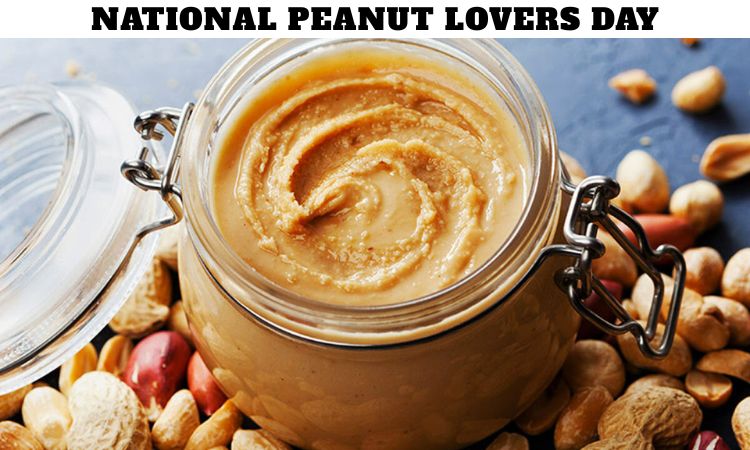
Every year on March 15, food enthusiasts across the world come together to celebrate National Peanut Lovers Day, a delightful occasion dedicated to honoring one of the most versatile and beloved legumes. We recognize the nutty flavor, nutritional richness, and culinary adaptability of peanuts, which have made them a staple in households, restaurants, and food industries alike. From creamy spreads to crunchy snacks, peanuts have carved a permanent place in global cuisine and culture.
This day is more than just an excuse to indulge in peanut-based treats—it is a celebration of agriculture, tradition, innovation, and health-conscious eating. As we explore the origins, benefits, and creative uses of peanuts, we uncover why this humble ingredient continues to inspire generations.
The Origin and History of National Peanut Lovers Day
The roots of National Peanut Lovers Day trace back to the growing popularity of peanuts as a dietary staple and snack option. We understand that peanuts have been cultivated for thousands of years, originally in South America before spreading across continents through trade and exploration. Over time, their adaptability to various climates and soil types allowed them to flourish in regions across Asia, Africa, and North America.
As peanuts became a major agricultural commodity, communities began recognizing their economic importance and cultural significance. The establishment of a dedicated day in March symbolizes the appreciation for farmers, food innovators, and consumers who contributed to the peanut’s global success.
Why Peanuts Are Loved Worldwide?
Peanuts have earned worldwide admiration due to their unique taste profile and culinary flexibility. We often find them used in both sweet and savory recipes, ranging from peanut butter sandwiches and desserts to stir-fries, sauces, and street snacks.
Flavor and Texture Versatility
Peanuts offer a perfect balance of richness and crunch, making them ideal for:
Roasted snacks and trail mixes
Creamy spreads and dips
Baked goods and confectionery
Savory gravies and sauces
Their ability to blend seamlessly with spices, chocolate, caramel, and vegetables ensures that they remain a favorite ingredient across cuisines.
Cultural Relevance in Different Regions
In many countries, peanuts are more than just food—they are symbols of comfort and tradition. We notice their presence in festive recipes, family gatherings, and everyday meals. From peanut chutneys in South Asia to peanut stews in Africa, they embody the spirit of regional culinary identity.
Nutritional Benefits of Peanuts
Peanuts are widely recognized as a nutrient-dense food that supports a balanced diet. We emphasize their role in promoting overall health due to their rich composition of proteins, healthy fats, vitamins, and minerals.
High Protein Content
Peanuts provide plant-based protein, making them a valuable option for vegetarians and fitness enthusiasts. Protein helps in muscle repair, energy production, and maintaining satiety, which supports weight management goals.
Healthy Fats for Heart Wellness
They contain monounsaturated and polyunsaturated fats, known to contribute to improved heart health. These fats assist in managing cholesterol levels and reducing the risk of cardiovascular concerns.
Essential Vitamins and Minerals
Peanuts are packed with:
Vitamin E for skin and immune health
Magnesium for bone strength and metabolism
Folate for cellular growth and development
Niacin for brain function
Their nutritional richness ensures that peanuts remain an integral part of wellness-focused diets.
Popular Peanut-Based Foods to Enjoy on March 15
Celebrating National Peanut Lovers Day becomes even more exciting when we explore the wide range of peanut-based delights available.
Peanut Butter Classics
Peanut butter remains one of the most beloved peanut products. We enjoy it in:
Sandwiches and smoothies
Protein shakes and oatmeal bowls
Dessert toppings and baking recipes
Its creamy consistency and natural sweetness make it a pantry essential.
Roasted and Flavored Peanuts
Roasted peanuts seasoned with salt, spices, or herbs offer a perfect snack for gatherings and travel. We find them in:
Masala peanuts
Honey-roasted varieties
Barbecue-flavored mixes
These options provide both convenience and indulgence.
Peanut Desserts and Sweets
Peanuts shine in desserts such as:
Peanut brittle
Peanut fudge
Chocolate peanut clusters
Their ability to complement sweetness enhances the richness of confections.
Creative Ways to Celebrate National Peanut Lovers Day
We can make this celebration memorable by incorporating peanuts into daily routines and festive activities.
Host a Peanut-Themed Food Party
Organizing a gathering featuring peanut-inspired recipes encourages culinary exploration and social bonding. Guests can contribute dishes such as peanut noodles, peanut cookies, or peanut salads.
Experiment with New Recipes
Trying innovative peanut recipes allows us to discover new flavor combinations and cooking techniques. Peanut sauces, energy bars, and fusion desserts are excellent choices.
Support Local Farmers and Producers
Purchasing peanuts from local markets or small businesses helps sustain agricultural communities and traditional farming practices.
Peanuts in Modern Health and Fitness Trends
In recent years, peanuts have gained attention in fitness and nutrition circles due to their balanced macronutrient profile. We observe their inclusion in:
High-protein snack bars
Plant-based meal plans
Pre- and post-workout snacks
Their ability to provide sustained energy makes them suitable for active lifestyles.
Environmental and Economic Importance of Peanut Farming
Peanut cultivation plays a significant role in supporting rural economies and sustainable agriculture. We recognize that peanuts contribute to soil health through nitrogen fixation, reducing the need for synthetic fertilizers.
Additionally, the peanut industry generates employment in farming, processing, packaging, and distribution, reinforcing its importance in global food systems.
Fun Facts About Peanuts
Peanuts are technically legumes, not true nuts.
They grow underground, unlike tree nuts.
Peanut plants can produce multiple pods per season.
Peanuts are used to create oil, flour, butter, and even cosmetics.
These fascinating facts highlight the peanut’s versatility and uniqueness.
Peanut Allergies and Safe Consumption Awareness
While peanuts offer numerous benefits, we remain mindful of peanut allergies, which affect some individuals. Responsible celebration includes:
Checking ingredient labels
Offering alternative snacks
Promoting awareness about allergy management
Ensuring safe consumption allows everyone to enjoy the festive spirit of the day.
Conclusion: Embracing the Joy of National Peanut Lovers Day
As we celebrate National Peanut Lovers Day on March 15, we acknowledge the profound impact peanuts have had on culinary traditions, nutritional wellness, agricultural sustainability, and global economies. Their remarkable journey from ancient cultivation to modern superfood status reflects human creativity and resilience.
Frequently Asked Questions (FAQs)
1. What is National Peanut Lovers Day?
National Peanut Lovers Day is celebrated every year on March 15 to honor the popularity, versatility, and nutritional value of peanuts. It is a day dedicated to enjoying peanut-based foods and appreciating peanut farming.
2. When is National Peanut Lovers Day celebrated?
This fun food holiday is observed annually on March 15, giving peanut enthusiasts a perfect opportunity to indulge in their favorite peanut snacks and recipes.
3. Why are peanuts so popular around the world?
Peanuts are loved globally because of their rich flavor, crunchy texture, affordability, and versatility. They can be used in both sweet and savory dishes, making them a staple ingredient in many cuisines.
4. Are peanuts actually nuts?
No, peanuts are technically legumes, not true nuts. They grow underground and belong to the same plant family as beans and lentils.
5. What are the health benefits of eating peanuts?
Peanuts are packed with protein, healthy fats, vitamins, and minerals. They can support heart health, boost energy levels, and help maintain muscle strength when consumed in moderation.
6. How can we celebrate National Peanut Lovers Day?
We can celebrate by enjoying peanut butter sandwiches, roasted peanuts, peanut desserts, or trying new peanut recipes. Hosting peanut-themed parties or supporting local peanut farmers are also great ideas.
7. What are some popular peanut-based foods?
Popular peanut foods include peanut butter, peanut brittle, peanut chutney, peanut sauce, roasted peanuts, and chocolate peanut treats.
8. Can peanuts help in weight management?
Yes, peanuts contain protein and fiber, which can promote fullness and reduce overeating. However, portion control is important due to their calorie content.
9. Are peanut allergies common?
Yes, peanut allergies are among the most common food allergies. People with peanut allergies should avoid peanut products and always check food labels carefully.
10. Why are peanuts important for agriculture and the economy?
Peanuts play a significant role in supporting farmers, improving soil fertility through nitrogen fixation, and contributing to the global food industry, making them economically valuable crops.