
What Is National Old Stuff Day, and Why Is It Celebrated on March 2?
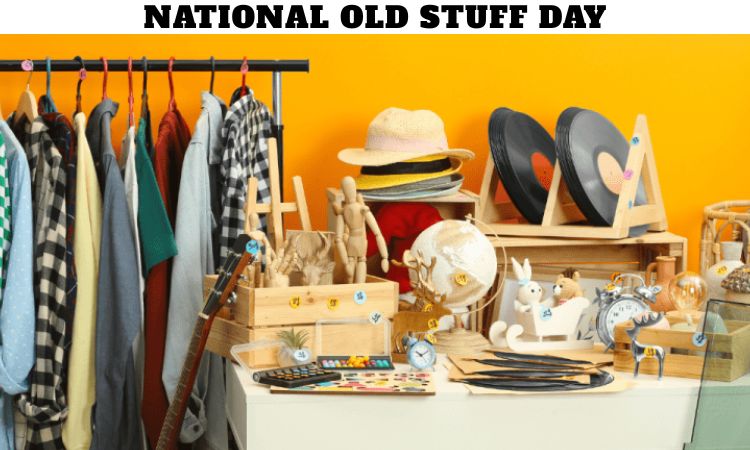
National Old Stuff Day, observed each year on March 2, is a unique and thought-provoking celebration dedicated to revisiting, rediscovering, and reimagining the “old stuff” in our lives. Unlike holidays centered on new beginnings or modern innovation, this day encourages us to pause and look backward—to reflect on unfinished projects, forgotten belongings, outdated habits, and even long-lost dreams.
National Old Stuff Day is not simply about decluttering attics or cleaning storage rooms. It is about reassessing what we have overlooked, rekindling ideas that once mattered, and finding renewed value in things that time may have pushed aside. It invites us to examine both physical possessions and personal experiences with a fresh perspective.
What Does “Old Stuff” Really Mean?
The phrase “old stuff” can be interpreted in many ways. It may refer to:
Forgotten hobbies
Abandoned goals
Stored memorabilia
Vintage clothing
Outdated technology
Unfinished creative projects
Old stuff can also represent habits, patterns, or routines that no longer serve us. On March 2, we are encouraged to revisit these elements thoughtfully and determine whether they deserve revival, transformation, or release.
In this way, National Old Stuff Day promotes intentional reflection rather than passive nostalgia.
Why Is Revisiting the Past So Important?
In a fast-paced world that prioritizes constant progress, it is easy to overlook the significance of what came before. National Old Stuff Day reminds us that the past holds lessons, memories, and untapped potential.
Revisiting old belongings or ideas can:
Spark creativity
Inspire personal growth
Reduce waste through reuse
Strengthen emotional connections
Encourage mindful decision-making
By examining old items, we often uncover forgotten passions or rediscover meaningful stories attached to them. What once seemed outdated may reveal renewed relevance.
How Can National Old Stuff Day Inspire Personal Growth?
National Old Stuff Day is an opportunity for honest self-evaluation. It invites us to ask meaningful questions:
Are there goals we abandoned too soon?
Are there skills we once enjoyed developing?
Are there relationships or traditions worth revisiting?
Sometimes, revisiting old ambitions reignites motivation. A partially written manuscript, an unused musical instrument, or an unfinished painting may serve as a reminder of creative aspirations waiting to be revived.
Personal growth often involves rediscovery. By looking back, we gain clarity about where we want to go forward.
How Does This Day Encourage Decluttering and Organization?
One practical way to observe National Old Stuff Day is through thoughtful decluttering. Over time, households accumulate items that no longer serve a purpose. March 2 offers a structured moment to evaluate possessions intentionally.
Step 1: Assess
Examine stored items objectively. Ask whether they add value or simply occupy space.
Step 2: Decide
Choose whether to keep, donate, repurpose, or discard each item responsibly.
Step 3: Organize
Create systems that make frequently used items accessible and reduce future clutter.
Decluttering promotes mental clarity and productivity. It transforms spaces into environments that reflect current goals and priorities.
Can Old Items Become New Treasures?
Many “old” items possess timeless charm. Vintage furniture, antique décor, and classic fashion often return to popularity in modern design trends. National Old Stuff Day highlights the value of repurposing and upcycling.
Creative reuse reduces waste and promotes sustainability. An old wooden ladder can become a bookshelf. Vintage clothing can be redesigned into contemporary fashion pieces. Outdated furniture can be refinished to complement modern interiors.
By reimagining old objects, we transform them from forgotten relics into meaningful, functional assets.
How Does Nostalgia Play a Role in the Celebration?
Nostalgia is a powerful emotional experience. Revisiting old photographs, letters, or memorabilia can evoke cherished memories. National Old Stuff Day provides an opportunity to reconnect with personal history.
Memory boxes filled with ticket stubs, childhood drawings, or family heirlooms often hold stories that deserve retelling. Sharing these memories with younger generations preserves family heritage and strengthens bonds.
However, the purpose of the day is not to dwell on the past but to appreciate it thoughtfully while moving forward with intention.
How Can National Old Stuff Day Support Sustainability?
In an era of environmental awareness, National Old Stuff Day aligns naturally with sustainable living principles. Reusing and repurposing items reduces consumption and waste.
Rather than purchasing new products, individuals can repair or refurbish existing belongings. This approach conserves resources and encourages mindful consumption.
Community initiatives such as clothing swaps, donation drives, and repair workshops reflect the spirit of the day. By extending the lifespan of items, we contribute to environmental responsibility.
What Role Does Reflection Play on March 2?
Beyond physical objects, National Old Stuff Day encourages reflection on habits and routines. Certain behaviors may have served us in the past but no longer align with our goals.
March 2 is an ideal moment to evaluate:
Time management practices
Daily routines
Communication patterns
Personal commitments
Letting go of outdated habits creates space for healthier alternatives. Growth often requires releasing what no longer contributes positively to our lives.
How Can Families Celebrate Together?
National Old Stuff Day can become a meaningful family activity.
Memory Sharing Session
Gather to revisit old photo albums or home videos. Share stories behind significant moments.
Creative Repurposing Project
Transform old materials into crafts or decorative pieces.
Goal Reflection Exercise
Discuss dreams or projects that family members once set aside. Encourage renewed commitment where appropriate.
These activities promote connection while reinforcing the importance of mindful reflection.
Why Is Letting Go Sometimes Necessary?
While some old items deserve preservation, others may hinder progress. Clutter can create physical and emotional barriers. National Old Stuff Day reminds us that letting go can be liberating.
Releasing items tied to outdated identities or past chapters allows us to move forward with clarity. Donation or recycling ensures that discarded items may serve others rather than accumulate unused.
Intentional release fosters renewal.
How Does This Day Encourage Creativity?
Old materials can inspire innovative projects. Artists often draw inspiration from vintage aesthetics or repurposed components. Writers revisit unfinished drafts. Musicians rediscover instruments long neglected.
Creative revival transforms stagnation into momentum. National Old Stuff Day catalyzes reigniting dormant talents and exploring new possibilities rooted in past experience.
By revisiting earlier creative efforts, individuals may find that time has provided a fresh perspective and improved skills.
Can Businesses Embrace National Old Stuff Day?
Organizations can incorporate the spirit of March 2 into workplace culture.
Conduct office clean-up initiatives.
Review outdated processes and streamline workflows.
Archive or digitize old records responsibly.
Encourage employees to revisit postponed ideas.
By reassessing operational “old stuff,” businesses enhance efficiency and innovation.
What Psychological Benefits Come from Revisiting the Past?
Engaging with old items and memories can provide emotional grounding. It reinforces identity and personal narrative. Reflecting on progress made over time fosters gratitude and resilience.
Recognizing how far we have come often strengthens confidence in our ability to navigate future challenges.
National Old Stuff Day offers a structured space for this reflective practice.
Why Is March 2 the Perfect Time for This Celebration?
March 2 arrives as winter transitions toward spring in many regions. This seasonal shift symbolizes renewal and preparation for growth.
Before embracing new beginnings, it is valuable to clear away remnants of the past. National Old Stuff Day aligns naturally with early spring cleaning and personal reassessment.
It bridges reflection and renewal, preparing individuals for productive months ahead.
How Can Individuals Create a Meaningful Tradition?
To make National Old Stuff Day impactful:
Schedule annual decluttering sessions.
Journal about past achievements and future aspirations.
Revive one forgotten hobby each year.
Donate items regularly to community organizations.
Establishing a consistent practice transforms March 2 into a purposeful tradition rather than a symbolic observance.
Conclusion: Embracing Reflection, Renewal, and Rediscovery
National Old Stuff Day – March 2 invites us to reconsider the forgotten corners of our lives. Whether through decluttering possessions, reviving abandoned projects, or reflecting on personal growth, this day emphasizes thoughtful evaluation.