

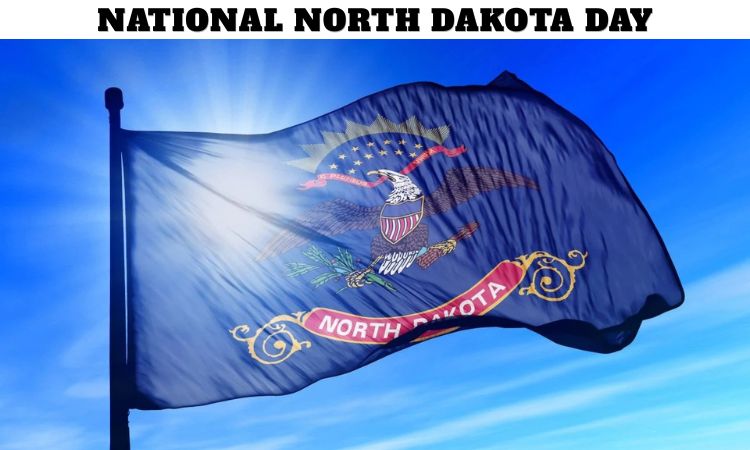
What Is National North Dakota Day, and Why Is It Celebrated on April 19?
National North Dakota Day, observed annually on April 19, is a dedicated occasion to celebrate the history, culture, natural beauty, and economic contributions of the U.S. state of North Dakota. This day is part of a broader recognition of individual states, highlighting their unique identity, heritage, and role in shaping the nation.
North Dakota, often referred to as the “Peace Garden State,” is known for its vast plains, agricultural strength, energy resources, and resilient communities. National North Dakota Day provides an opportunity to appreciate the state’s rich legacy, pioneering spirit, and modern achievements.
Where Is North Dakota Located and What Makes It Unique?
North Dakota is located in the Upper Midwest region of the United States, bordered by Canada to the north. It is characterized by wide-open landscapes, rolling plains, and scenic river valleys, making it one of the most geographically distinctive states.
What sets North Dakota apart includes:
- Expansive agricultural lands and rural charm
- Low population density and peaceful environment
- Strong Native American cultural heritage
- Rich natural resources, including oil and natural gas
The state’s unique blend of natural beauty and economic strength makes it a vital part of the American landscape.
What Is the Historical Significance of North Dakota?
North Dakota has a deep and diverse history that dates back thousands of years, beginning with Indigenous tribes who inhabited the region long before European settlement.
Key historical milestones include:
- Native American heritage from tribes such as the Sioux and Mandan
- Exploration by early European settlers and fur traders
- Inclusion in the Louisiana Purchase of 1803
- Statehood achieved on November 2, 1889
The state played a significant role in westward expansion and agricultural development, shaping the economic and cultural fabric of the United States.
Why Is North Dakota Known as the Peace Garden State?
North Dakota earned the nickname “Peace Garden State” from the International Peace Garden, a symbolic site located on the border between the United States and Canada. This garden represents friendship, unity, and peaceful cooperation between the two nations.
The Peace Garden is known for:
- Beautiful floral displays and landscapes
- Memorials honoring peace and harmony
- Tourist attractions and educational exhibits
This designation reflects North Dakota’s commitment to peaceful coexistence and international goodwill.
How Does Agriculture Shape North Dakota’s Economy?
Agriculture is the backbone of North Dakota’s economy, making it one of the leading agricultural states in the country. The state is a major producer of:
- Wheat, barley, and corn
- Sunflowers and canola
- Soybeans and sugar beets
Farmers in North Dakota contribute significantly to national and global food supply chains, showcasing innovation and sustainability in modern farming practices.
The agricultural sector supports thousands of jobs and drives economic growth, reinforcing the state’s importance in the U.S. economy.
What Role Does Energy Production Play in North Dakota?
In addition to agriculture, North Dakota is a major player in the energy sector, particularly in oil and natural gas production. The discovery of resources in the Bakken Formation has transformed the state into one of the top oil-producing regions in the United States.
Energy production contributes to:
- Economic prosperity and job creation
- Infrastructure development
- Energy independence for the nation
This sector highlights North Dakota’s role as a key contributor to national energy resources.
What Cultural Traditions and Heritage Define North Dakota?
North Dakota’s culture is shaped by a blend of Native American heritage and European immigrant influences, particularly from Scandinavian and German communities.
Cultural highlights include:
- Traditional festivals and community events
- Folk music, dance, and cuisine
- Preservation of Indigenous traditions and languages
- Strong community values and rural lifestyle
These traditions create a rich cultural tapestry that reflects the diversity and resilience of the state’s people.
What Are the Top Attractions in North Dakota?
North Dakota offers a variety of natural and historical attractions that draw visitors from across the country. Some of the most notable include:
- Theodore Roosevelt National Park is known for its rugged landscapes and wildlife
- International Peace Garden, symbolizing unity and friendship
- Fort Union Trading Post, a historic site from the fur trade era
- Scenic byways and outdoor recreation areas
These attractions highlight the state’s natural beauty and historical significance, making it a compelling destination for travelers.
How Is National North Dakota Day Celebrated?
National North Dakota Day is celebrated through a range of activities and events that honor the state’s heritage and achievements. Common ways to celebrate include:
- Educational programs about state history
- Community gatherings and cultural events
- Sharing stories and facts on social media
- Exploring local attractions and landmarks
- Supporting local businesses and artisans
These celebrations foster a sense of pride and appreciation for North Dakota’s contributions to the nation.
Why Is North Dakota Important to the United States Today?
North Dakota continues to play a crucial role in the United States through its economic contributions, natural resources, and cultural heritage. The state’s importance lies in:
- Agricultural production and food security
- Energy resources and economic growth
- Preservation of cultural and historical heritage
- Commitment to sustainability and innovation
Its ability to balance tradition with progress makes North Dakota a vital part of the nation’s future.
What Does the Future Hold for North Dakota?
The future of North Dakota is shaped by innovation, sustainability, and community development. Key areas of growth include:
- Advancements in agricultural technology
- Expansion of renewable energy initiatives
- Economic diversification and entrepreneurship
- Investment in education and infrastructure
These developments position North Dakota as a forward-thinking state ready to meet the challenges of a changing world.
Frequently Asked Questions (FAQs)
1. What is National North Dakota Day?
It is observed on April 19 to celebrate the history, culture, and contributions of North Dakota.
2. Why is North Dakota called the Peace Garden State?
The name comes from the International Peace Garden, symbolizing friendship between the U.S. and Canada.
3. When did North Dakota become a state?
North Dakota became a state on November 2, 1889.
4. What is North Dakota famous for?
It is known for agriculture, energy production, and natural landscapes.
5. What are the major industries in North Dakota?
Agriculture and energy production are the primary industries.
6. What is the capital of North Dakota?
The capital city is Bismarck.
7. What are the popular tourist attractions in North Dakota?
Attractions include Theodore Roosevelt National Park and the International Peace Garden.
8. How is National North Dakota Day celebrated?
It is celebrated through events, education, and community activities.
9. What role does agriculture play in the state?
Agriculture is a key driver of the state’s economy and food production.
10. Why is North Dakota important to the U.S.?
It contributes to food security, energy production, and cultural heritage.