

What Is National Marching Band Day and Why Is It Celebrated on March 4?
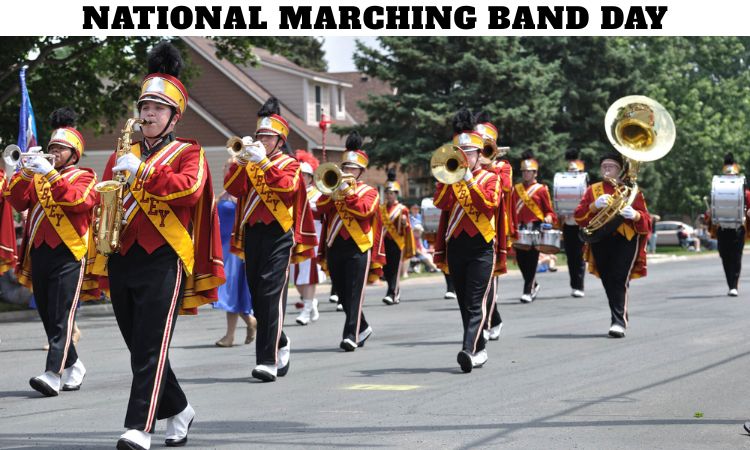
National Marching Band Day, observed annually on March 4, is a vibrant celebration of the artistry, discipline, and spirit of marching bands across schools, colleges, and communities. The date itself—March 4—symbolizes a motivational phrase: “march forth.” This clever play on words perfectly reflects the essence of marching bands, which literally and figuratively move forward with rhythm, unity, and purpose.
On this day, we honor the musicians, color guard performers, drum majors, instructors, and support teams who dedicate countless hours to rehearsing complex formations, perfecting musical precision, and delivering electrifying performances at parades, sporting events, competitions, and civic ceremonies.
National Marching Band Day is not merely about music; it is about teamwork, leadership, discipline, creativity, and school pride.
How Did Marching Bands Originate?
The roots of marching bands can be traced back to military traditions. Early military units used drums, fifes, and brass instruments to communicate commands and maintain marching cadence. These early ensembles laid the groundwork for modern marching bands.
Over time, marching music evolved beyond the battlefield. In the United States, marching bands became integral to high school and college culture, especially during football games. Institutions such as the University of Notre Dame and Ohio State University popularized elaborate halftime shows that combined music with intricate field formations.
Today, marching bands blend classical compositions, jazz, pop music, and cinematic scores into visually stunning performances that captivate audiences nationwide.
What Makes Marching Bands Unique Compared to Other Musical Groups?
Marching bands are distinct because they combine musical excellence with choreographed movement. Unlike traditional orchestras that perform while seated, marching band members must:
Play instruments while moving in synchronized formations
Memorize music for large-scale productions
Maintain posture and breath control during physical exertion
Execute precise turns, slides, and step patterns
This combination of athleticism and musicianship demands exceptional endurance and coordination. Members often practice in varying weather conditions, strengthening resilience and mental toughness.
Marching bands transform open fields and streets into dynamic stages, creating immersive performances that go far beyond sound alone.
What Instruments Are Typically Featured in a Marching Band?
A standard marching band includes several instrument sections, each contributing to the overall sonic impact:
Brass Section
Trumpets
Trombones
Mellophones
Baritones
Tubas (often called sousaphones in marching format)
Woodwind Section
Clarinets
Flutes
Saxophones
Percussion Section
Snare drums
Bass drums
Tenor drums
Cymbals
Many modern bands also incorporate a front ensemble or “pit,” featuring stationary instruments such as marimbas, vibraphones, and synthesizers.
In addition, the color guard enhances visual storytelling through flags, rifles, and dance choreography, adding dramatic flair to performances.
Why Are Marching Bands So Important in School Culture?
Marching bands are the heartbeat of school spirit. From pep rallies to championship games, they energize crowds and create a unifying atmosphere. Schools such as University of Southern California and University of Michigan are renowned for their iconic marching bands that symbolize institutional pride.
Participation in marching band fosters:
Leadership skills
Time management
Accountability
Strong friendships
Academic discipline
Students often balance rigorous rehearsal schedules with academic responsibilities, demonstrating commitment and perseverance.
For many participants, marching band becomes a transformative experience that shapes confidence and character.
How Do Marching Band Competitions Work?
Competitive marching band events showcase the highest level of performance artistry. Organizations like Bands of America host regional and national competitions where ensembles are judged on:
Musical accuracy
Visual precision
General effect
Creativity
Synchronization
Performances are evaluated by expert adjudicators who assess both technical execution and emotional impact.
These competitions push bands to innovate with themed productions, elaborate drill designs, and intricate musical arrangements, raising the standard of excellence year after year.
What Role Do Drum Majors and Directors Play?
The drum major serves as the visual leader of the marching band. Positioned at the front of the ensemble, the drum major conducts the music and ensures tempo consistency. Their leadership sets the tone for the entire performance.
Band directors and instructors work tirelessly behind the scenes, arranging music, designing formations, coordinating rehearsals, and mentoring students. Their expertise transforms raw talent into polished productions.
National Marching Band Day recognizes not only performers but also the dedicated educators who cultivate musical growth and discipline.
How Do Marching Bands Prepare for Performances?
Preparation for a marching season is intense and methodical. Many bands hold summer band camps where members rehearse for hours daily to master:
Drill formations
Step techniques
Musical memorization
Choreography synchronization
Rehearsals focus on precision, ensuring every step aligns with yard lines and every note matches pitch standards.
Physical conditioning also plays a critical role. Marching with heavy instruments while maintaining breath support requires stamina and core strength.
By performance day, every formation and musical cue has been refined to near perfection.
What Impact Do Marching Bands Have on Communities?
Marching bands extend beyond school grounds. They perform in:
Community parades
Cultural festivals
National holiday celebrations
Civic ceremonies
Large-scale events such as the Rose Parade feature elite marching bands from around the world, showcasing talent to millions of spectators.
These performances inspire young musicians, unite neighborhoods, and preserve musical traditions.
Communities rally behind their bands, supporting fundraising efforts and celebrating achievements as collective victories.
How Can We Celebrate National Marching Band Day?
There are numerous meaningful ways to honor National Marching Band Day on March 4:
Attend a local marching band performance
Share appreciation posts on social media
Thank band directors and student musicians
Donate to school music programs
Watch recorded halftime shows online
Alumni can reconnect with former bandmates and reflect on cherished memories from rehearsals, bus rides, and competitions.
Celebrating this day reinforces the value of music education and encourages future generations to join marching programs.
Why Is Music Education Essential in Modern Society?
Music education strengthens cognitive skills, emotional intelligence, and teamwork. Studies consistently show that students involved in music programs demonstrate improved:
Academic performance
Concentration
Problem-solving abilities
Social development
Marching band, in particular, blends structure with creativity. Students learn to collaborate toward a shared goal, respecting timing, cues, and ensemble balance.
National Marching Band Day highlights the importance of preserving and expanding access to music education programs nationwide.
What Challenges Do Marching Bands Face Today?
Despite their impact, many marching bands face funding challenges. Budget cuts can limit access to instruments, uniforms, travel opportunities, and instructional resources.
Additionally, the physical demands of marching require proper training and safety measures to prevent injury.
Advocating for arts funding ensures that marching bands continue thriving in schools and communities. Supporting local programs strengthens cultural traditions and enriches student experiences.
How Does Marching Band Build Lifelong Skills?
Participation in marching band cultivates skills that extend far beyond performance fields. Members develop:
Leadership and responsibility
Resilience under pressure
Public performance confidence
Team collaboration
The structured environment teaches accountability and dedication, preparing students for academic, professional, and personal success.
Many former marching band members credit their experience for shaping their work ethic and perseverance in adulthood.
Why Does National Marching Band Day Matter More Than Ever?
In an increasingly digital world, live musical performances create authentic, shared experiences. Marching bands bring communities together through synchronized rhythm and powerful sound.
National Marching Band Day serves as a reminder that music remains a universal language—one that transcends age, background, and culture.
By celebrating this day, we reaffirm our commitment to artistic expression, youth development, and the enduring power of collective performance.
Conclusion
National Marching Band Day on March 4 is a tribute to the dedication, artistry, and unity of marching bands everywhere. From military origins to modern halftime spectacles, marching bands represent precision, passion, and pride.