
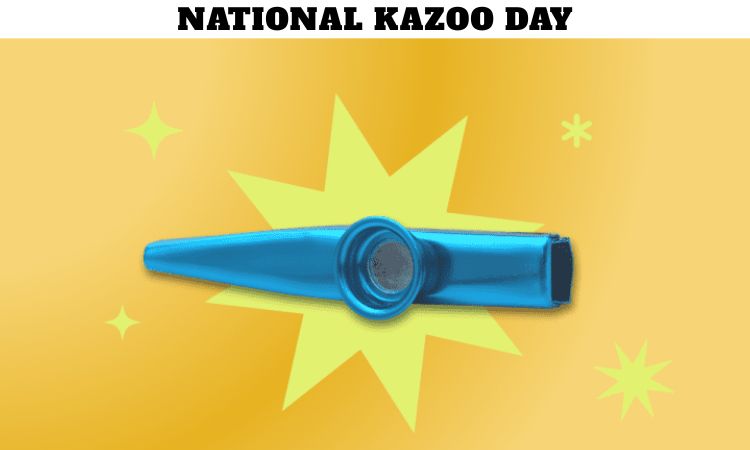
National Kazoo Day is a unique and light-hearted celebration dedicated to one of the most playful and accessible musical instruments ever created: the kazoo. On this special day, we come together to honor an instrument that has brought smiles, laughter, and music to people of all ages for generations. Simple in design yet rich in cultural history, the kazoo proves that music does not need complexity to be meaningful or fun.
Observed annually on January 28, National Kazoo Day encourages music lovers, educators, children, and performers to rediscover the joy of making music in its most approachable form. We celebrate creativity, inclusivity, and the universal language of sound that the kazoo represents.
What Is a Kazoo and Why Does It Matter?
The kazoo is a membranophone instrument that produces sound when a player hums into it rather than blowing air. The vibration of the voice causes a membrane to resonate, creating its signature buzzing tone. Unlike traditional wind instruments, the kazoo does not require advanced technique, making it ideal for beginners and professionals alike.
What makes the kazoo truly special is its ability to remove barriers to music. Anyone can play it—no musical training required. This accessibility is why the kazoo has become a staple in classrooms, street performances, and even professional recordings.
The Fascinating History of the Kazoo
The origins of the kazoo trace back to the mid-19th century in the United States. Inspired by African vocal mirlitons, the modern kazoo was popularized around the 1840s and later patented in the 1880s. Its mass production made it affordable and widely available, cementing its place in American musical culture.
Throughout history, the kazoo has been used in ragtime, jazz, blues, and novelty music. It has appeared in vaudeville acts, marching bands, and orchestral performances, proving its versatility. National Kazoo Day pays tribute to this rich heritage and the role the kazoo has played in democratizing music.
Why is National Kazoo Day celebrated on January 28?
January 28 is believed to honor early innovators and promoters of the kazoo who helped bring the instrument into mainstream culture. Over time, this date evolved into National Kazoo Day, a moment to recognize the cultural impact of an instrument that often gets overlooked but never forgotten.
The celebration aligns perfectly with the spirit of creativity and joy, encouraging people to start the year with music, laughter, and artistic expression.
The Cultural Significance of National Kazoo Day
National Kazoo Day is more than a novelty observance. It represents inclusivity in music, reminding us that artistic expression belongs to everyone. The kazoo has long been associated with humor and lightness, yet it also carries deep cultural value.
In educational settings, the kazoo introduces children to rhythm, pitch, and musical confidence. In social gatherings, it sparks connection and shared laughter. In professional music, it adds texture and character. This day celebrates all these dimensions, highlighting how a small instrument can create a big impact.
How is National Kazoo Day celebrated?
People around the world celebrate National Kazoo Day in creative and engaging ways. Common activities include:
Kazoo jam sessions at schools and community centers
Online kazoo performances shared on social platforms
Music workshops focused on beginner-friendly instruments
Creative challenges encouraging original kazoo compositions
These celebrations emphasize participation over perfection, making the day inclusive and joyful.
Educational Benefits of the Kazoo
One of the strongest reasons the kazoo remains relevant is its educational value. Music educators often use kazoos to teach:
Vocal control and pitch awareness
Rhythm and timing
Confidence in musical performance
On National Kazoo Day, schools and learning institutions highlight these benefits, using the instrument to inspire students and foster a love for music from an early age.
Kazoo in Modern Music and Pop Culture
Despite its simplicity, the kazoo continues to appear in modern music. Artists use it to add playful tones, nostalgic elements, or experimental textures. From indie recordings to film soundtracks, the kazoo proves that even the most modest instruments can find a place in contemporary creativity.
National Kazoo Day also thrives online, where digital creators and musicians showcase innovative uses of the kazoo, ensuring its relevance in the digital age.
Why National Kazoo Day Still Matters Today?
In a world often dominated by complex technology and fast-paced lifestyles, National Kazoo Day reminds us to slow down and enjoy simple pleasures. The kazoo symbolizes creativity without pressure and music without barriers.
We recognize this day as an opportunity to reconnect with joy, embrace creativity, and celebrate the universal power of sound. Whether played solo or in a group, the kazoo brings people together, making January 28 a meaningful celebration of musical unity.
How We Can Make National Kazoo Day More Memorable?
To truly honor National Kazoo Day, we can:
Introduce the kazoo to new audiences
Support music education programs
Encourage creative expression without judgment
Celebrate music as a shared human experience
These actions help keep the spirit of the day alive and ensure the kazoo continues to inspire future generations.
Conclusion: Embracing the Spirit of National Kazoo Day
National Kazoo Day is a celebration of music in its most joyful and inclusive form. By honoring the kazoo, we celebrate creativity, accessibility, and the timeless joy of making sound together. This day invites us to embrace simplicity, share laughter, and recognize that music belongs to everyone.