

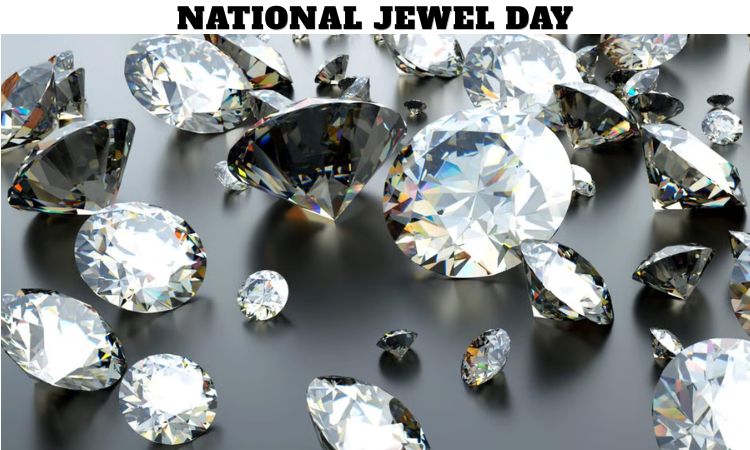
National Jewel Day, celebrated every year on March 13, is a special occasion dedicated to appreciating the beauty, elegance, and cultural significance of jewels. Jewelry has been a symbol of wealth, love, power, and artistic expression for thousands of years. From dazzling diamonds to colorful gemstones, jewels continue to fascinate people across the world.
On this day, we celebrate not only the brilliance of gemstones but also the craftsmanship behind jewelry making and the stories these precious pieces carry. Whether it is a family heirloom, a wedding ring, or a stylish necklace, jewelry holds sentimental and cultural value that goes far beyond its physical beauty.
What Is National Jewel Day?
National Jewel Day is an annual observance dedicated to celebrating jewels and the artistry involved in creating jewelry. It highlights the beauty of gemstones, precious metals, and the skill of jewelers who transform raw materials into stunning pieces of wearable art.
Jewelry has long been associated with status, celebration, love, and personal identity. On National Jewel Day, people take the opportunity to admire their favorite pieces, learn about gemstones, and appreciate the long history of jewelry in human civilization.
This day is also a reminder that jewelry is not just about luxury—it is about craftsmanship, heritage, and personal expression.
The Fascinating History of Jewelry
Jewelry has existed for thousands of years, with evidence of decorative ornaments dating back to ancient civilizations. Early humans used natural materials such as shells, bones, stones, and feathers to create decorative pieces.
As civilizations advanced, jewelry became more refined and valuable. Precious metals like gold and silver were discovered and used to craft intricate designs.
Ancient Egypt
In ancient Egypt, jewelry symbolized power, protection, and spirituality. Pharaohs and nobles wore elaborate necklaces, rings, and crowns decorated with gemstones such as turquoise, lapis lazuli, and carnelian.
Ancient Greece and Rome
The Greeks and Romans developed advanced jewelry-making techniques, including engraving, gemstone cutting, and metalwork. Jewelry often depicted mythological themes and symbols.
Medieval and Renaissance Periods
During the medieval period, jewelry represented royalty, religious devotion, and social status. In the Renaissance era, jewelers began creating more elaborate designs using diamonds and precious stones.
Modern Jewelry
Today, jewelry blends traditional craftsmanship with modern design. Technological advancements have introduced precision gemstone cutting, innovative materials, and new design possibilities.
Why Jewels Are So Valuable?
Jewels are highly valued for several reasons, including rarity, beauty, durability, and cultural significance.
Rarity
Many gemstones are rare in nature, making them valuable and highly sought after.
Durability
Gemstones like diamonds, sapphires, and rubies are extremely durable, allowing them to last for generations.
Beauty
The sparkle, color, and brilliance of gemstones make them visually stunning.
Symbolism
Jewelry often carries emotional meaning, representing love, commitment, milestones, or family heritage.
Because of these qualities, jewels have remained prized possessions throughout history.
Popular Types of Precious Gemstones
Jewelry comes in countless forms, but certain gemstones are especially famous for their beauty and value.
Diamonds
Diamonds are one of the most popular gemstones in the world. Known for their brilliance and hardness, diamonds are commonly used in engagement rings and luxury jewelry.
Rubies
Rubies are admired for their deep red color, symbolizing passion, love, and power.
Emeralds
Emeralds are famous for their rich green hue, representing growth, renewal, and prosperity.
Sapphires
Sapphires are typically blue but can appear in many colors. They symbolize wisdom, loyalty, and nobility.
Pearls
Unlike other gemstones, pearls are created by living oysters. They are associated with elegance, purity, and timeless beauty.
These gemstones continue to inspire jewelry designers around the world.
The Art of Jewelry Making
Jewelry making is a complex craft that requires creativity, precision, and technical skill. Jewelers transform raw materials into beautiful pieces through several processes.
Gemstone Cutting
Raw gemstones are carefully cut and polished to enhance their brilliance and color.
Metal Crafting
Precious metals such as gold, platinum, and silver are shaped into rings, necklaces, bracelets, and earrings.
Stone Setting
Gemstones are securely placed into jewelry using techniques like prong setting, bezel setting, and pavé setting.
Finishing and Polishing
The final step involves polishing the jewelry to create a smooth, shiny finish.
Each piece of jewelry represents hours of meticulous craftsmanship and artistic dedication.
Jewelry as a Symbol of Love and Celebration
Jewelry has always played an important role in life’s most meaningful moments. It is often given as a gift to celebrate milestones and express emotions.
Common occasions for gifting jewelry include:
Engagements and weddings
Birthdays and anniversaries
Graduations
Festivals and holidays
Family traditions
An engagement ring, for example, symbolizes a lifelong commitment, while a family heirloom necklace can carry memories across generations.
These emotional connections make jewelry far more meaningful than its material value.
Jewelry in Fashion and Personal Style
Jewelry is also an essential part of fashion and personal expression. People use accessories to complement outfits and showcase their personality.
Popular jewelry styles include:
Minimalist jewelry
Statement necklaces
Layered chains
Vintage-inspired pieces
Custom-designed jewelry
Fashion trends change over time, but jewelry remains a timeless way to enhance style and individuality.
Designers often experiment with new materials and artistic concepts, creating unique and contemporary pieces.
How is National Jewel Day celebrated?
National Jewel Day offers a wonderful opportunity for jewelry enthusiasts to celebrate their passion for gemstones and fine craftsmanship.
Wearing Favorite Jewelry
Many people celebrate by wearing their favorite pieces, whether it is a treasured heirloom or a modern design.
Learning About Gemstones
Jewelry lovers take the time to learn about the origins, characteristics, and symbolism of different gemstones.
Visiting Jewelry Stores or Exhibitions
Some celebrate by exploring jewelry collections, museums, or exhibitions showcasing historic and artistic pieces.
Gifting Jewelry
National Jewel Day can also be a perfect occasion to gift a meaningful piece of jewelry to someone special.
Sharing Jewelry Stories
People often share the sentimental stories behind their jewelry pieces with family and friends.
Tips for Taking Care of Jewelry
To keep jewelry looking beautiful for years, proper care is essential.
Regular Cleaning
Clean jewelry gently with a soft cloth or mild soap solution to maintain its shine.
Proper Storage
Store jewelry in separate compartments or soft pouches to prevent scratches.
Avoid Chemicals
Remove jewelry when using harsh chemicals, perfumes, or cleaning products.
Professional Maintenance
Occasionally have jewelry inspected by professionals to ensure gemstones remain secure.
Taking good care of jewelry ensures it can be passed down to future generations.
The Emotional Value of Jewelry
Beyond beauty and financial worth, jewelry often carries deep emotional significance. A ring may represent a promise, a necklace may symbolize love, and a bracelet may commemorate a special achievement.
Family heirlooms passed from one generation to another create a sense of connection to the past. These pieces hold memories and stories that make them irreplaceable.
For many people, jewelry becomes a cherished part of their personal history.
Why National Jewel Day Matters
National Jewel Day is more than a celebration of sparkling gemstones. It is a recognition of art, tradition, creativity, and personal meaning.
Jewelry represents centuries of craftsmanship and cultural heritage. Each piece reflects the dedication of skilled artisans who transform natural materials into works of art.
By celebrating this day, we acknowledge the timeless appeal of jewels and the role they play in human history, fashion, and emotional expression.
Conclusion
National Jewel Day is a perfect occasion to appreciate the brilliance and significance of jewelry. From ancient civilizations to modern fashion, jewels have captivated people with their beauty, symbolism, and craftsmanship.
Frequently Asked Questions (FAQs)
1. What is National Jewel Day?
National Jewel Day is celebrated every year on March 13 to appreciate the beauty, value, and craftsmanship of jewelry and precious gemstones.
2. Why is National Jewel Day celebrated?
The day is observed to recognize the art of jewelry making, the history of gemstones, and the cultural importance of jewels in human civilization.
3. When is National Jewel Day celebrated?
National Jewel Day is celebrated annually on March 13.
4. What types of jewels are commonly celebrated on this day?
Popular jewels celebrated include diamonds, rubies, emeralds, sapphires, pearls, and other precious and semi-precious gemstones.
5. How old is the tradition of wearing jewelry?
The tradition of wearing jewelry dates back over 5,000 years, with early humans creating ornaments from shells, stones, bones, and metals.
6. Why are jewels considered valuable?
Jewels are valuable because of their rarity, beauty, durability, and the skill required to cut and polish them.
7. How do people celebrate National Jewel Day?
People celebrate by wearing their favorite jewelry, learning about gemstones, visiting jewelry stores or exhibitions, and gifting jewelry to loved ones.
8. What metals are commonly used in jewelry?
The most commonly used metals in jewelry include gold, silver, platinum, and sometimes titanium or stainless steel.
9. Can jewelry have emotional or sentimental value?
Yes, many jewelry pieces carry sentimental meaning, such as engagement rings, family heirlooms, or gifts given during special occasions.
10. Why is jewelry important in fashion?
Jewelry plays an important role in fashion because it enhances personal style, complements outfits, and allows individuals to express their personality and creativity.