
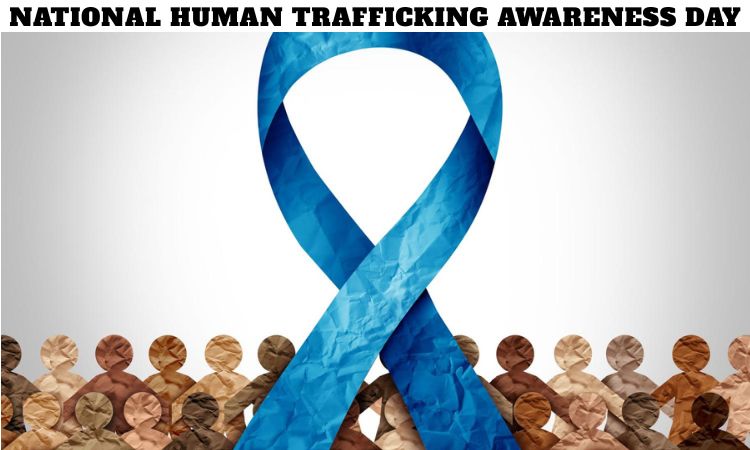
National Human Trafficking Awareness Day, observed every year on January 11, is a solemn and significant occasion dedicated to shining a light on one of the world’s most pervasive and devastating human rights violations: human trafficking. This day serves as a call to action for governments, organizations, communities, and individuals to recognize the realities of trafficking, support survivors, and work collectively toward prevention and justice. While human trafficking often operates in the shadows, National Human Trafficking Awareness Day brings the issue into public focus, encouraging education, vigilance, and compassion.
Understanding Human Trafficking
Human trafficking is a form of modern-day slavery that involves the exploitation of people through force, fraud, or coercion for purposes such as forced labor, sexual exploitation, domestic servitude, and even organ trafficking. Contrary to common misconceptions, trafficking does not always involve crossing international borders. Many victims are trafficked within their own countries and communities.
Victims of human trafficking can be of any age, gender, ethnicity, or socioeconomic background. However, traffickers often target individuals who are vulnerable due to poverty, lack of education, unemployment, migration, homelessness, or social marginalization. Children, women, migrant workers, and displaced persons are especially at risk.
Why January 11 Matters?
January 11 was designated as National Human Trafficking Awareness Day to promote awareness and education about trafficking and to highlight the need for prevention, protection, and prosecution. In the United States and many other countries, the entire month of January is recognized as Human Trafficking Prevention Month, with January 11 acting as its focal point.
This day reminds us that awareness is a powerful tool. When people understand how trafficking operates and how to identify its warning signs, they are better equipped to protect themselves and others. Awareness also helps dismantle harmful myths, such as the belief that trafficking only happens in faraway places or that victims can easily escape their situations.
Forms of Human Trafficking
Human trafficking takes many forms, each equally harmful and traumatic:
1. Sex Trafficking
Sex trafficking involves forcing or coercing individuals into commercial sexual activities. Victims may be manipulated through false promises of love, employment, or a better life. Minors involved in commercial sex are considered trafficking victims regardless of coercion.
2. Labor Trafficking
Labor trafficking occurs when individuals are forced to work under threat, violence, or deception. This can happen in industries such as agriculture, construction, domestic work, manufacturing, hospitality, and fishing.
3. Child Trafficking
Children are trafficked for labor, sexual exploitation, forced begging, child marriage, and illegal adoption. Their age and dependence make them particularly vulnerable to exploitation.
4. Organ Trafficking
In some cases, individuals are trafficked for the illegal removal and sale of organs. Victims may be deceived or forced into dangerous medical procedures.
The Global and Local Impact
Human trafficking is a global crisis affecting millions of people worldwide. It generates billions of dollars in illegal profits each year, making it one of the most lucrative criminal industries, alongside drug and arms trafficking. Despite its scale, human trafficking remains underreported due to fear, stigma, lack of awareness, and limited access to help.
On a local level, trafficking can exist in cities, suburbs, and rural areas alike. It may occur in places people least expect—private homes, factories, farms, hotels, restaurants, and online spaces. National Human Trafficking Awareness Day emphasizes that this is not a distant problem; it is a shared responsibility.
Recognizing the Signs of Human Trafficking
Awareness begins with recognizing the warning signs. While no single indicator confirms trafficking, common red flags include:
Restricted freedom of movement or constant supervision
Signs of physical abuse, malnutrition, or poor living conditions
Lack of control over personal identification or finances
Fear, anxiety, or inability to speak freely
Inconsistent stories or scripted responses
Working excessively long hours with little or no pay
By learning these signs, individuals can play a critical role in identifying and reporting potential trafficking situations.
The Importance of Survivor-Centered Approaches
National Human Trafficking Awareness Day also highlights the importance of placing survivors at the center of anti-trafficking efforts. Survivors often endure severe physical, emotional, and psychological trauma. Recovery is a long and complex process that requires access to safe housing, medical care, counseling, legal assistance, education, and employment opportunities.
A survivor-centered approach respects the dignity, autonomy, and choices of survivors. It focuses not only on rescue but also on long-term healing and reintegration into society. Listening to survivor voices is essential in shaping effective policies and prevention strategies.
Prevention Through Education and Awareness
Education is one of the most effective tools in preventing human trafficking. Schools, workplaces, community organizations, and online platforms can all play a role in spreading accurate information. Teaching people about safe migration, labor rights, online safety, and healthy relationships can reduce vulnerability to traffickers’ tactics.
National Human Trafficking Awareness Day encourages conversations that may be uncomfortable but are necessary. Open dialogue helps break the silence surrounding exploitation and empowers individuals to seek help without shame or fear.
The Role of Governments and Organizations
Governments, law enforcement agencies, and non-governmental organizations (NGOs) play a crucial role in combating human trafficking. Their responsibilities include:
Enacting and enforcing strong anti-trafficking laws
Identifying and rescuing victims
Prosecuting traffickers
Providing resources and support services for survivors
Collaborating across borders and sectors
On January 11, many organizations host awareness campaigns, educational workshops, candlelight vigils, and social media initiatives to amplify the message and mobilize action.
How Individuals Can Make a Difference?
One of the key messages of National Human Trafficking Awareness Day is that everyone can help. You don’t need to be an expert or part of an organization to make an impact. Individuals can:
Educate themselves and others about human trafficking
Support reputable organizations working with survivors
Practice ethical consumerism by supporting fair labor practices
Stay alert to suspicious situations and report concerns tothe appropriate authorities
Use social media responsibly to spread awareness
Small actions, when multiplied across communities, can create meaningful change.
Technology, Social Media, and Trafficking
Technology plays a dual role in human trafficking. While traffickers may use online platforms to recruit and exploit victims, technology is also a powerful tool for prevention and awareness. Social media campaigns, online training programs, and digital reporting tools help reach wider audiences and provide resources to those in need.
National Human Trafficking Awareness Day often features online initiatives that encourage people to share information, stories, and resources, helping the message travel far beyond physical boundaries.
Moving From Awareness to Action
Awareness alone is not enough. January 11 is a reminder that knowledge must lead to action. Combating human trafficking requires sustained commitment throughout the year—not just on one day. This includes advocating for stronger protections, supporting survivor services, and addressing root causes such as poverty, inequality, and lack of opportunity.
By acknowledging the complexity of human trafficking and refusing to look away, societies can move closer to a world where exploitation is no longer tolerated.
Conclusion
National Human Trafficking Awareness Day is more than a date on the calendar—it is a powerful reminder of our shared responsibility to protect human dignity. Human trafficking thrives in silence and ignorance, but awareness has the power to disrupt and dismantle exploitation.