

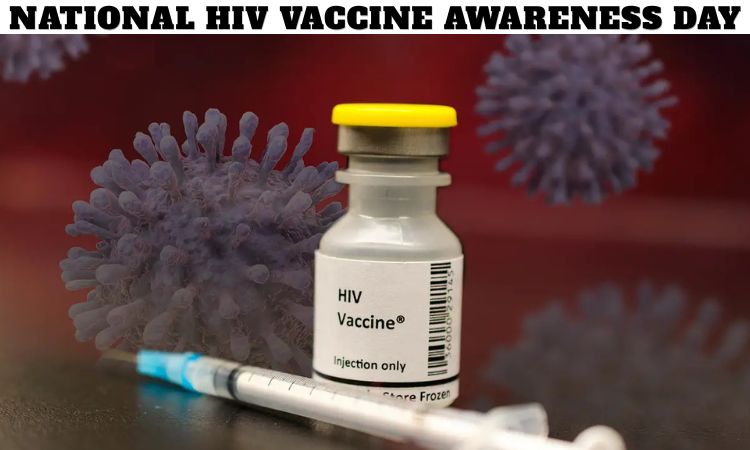
What Is National HIV Vaccine Awareness Day, and Why Is It Observed on May 18?
National HIV Vaccine Awareness Day is observed annually on May 18 to recognize the ongoing efforts to develop a safe and effective vaccine against HIV/AIDS. The day also honors scientists, healthcare workers, volunteers, community advocates, and study participants who contribute to HIV vaccine research and prevention programs.
This important health observance raises awareness about the global impact of HIV, promotes education about vaccine development, and encourages support for scientific research. National HIV Vaccine Awareness Day highlights the importance of collaboration between medical researchers, public health organizations, and communities worldwide.
The observance serves as a reminder that although significant progress has been made in HIV treatment and prevention, the search for an effective HIV vaccine remains one of the most important goals in global public health.
What Is HIV and How Does It Affect the Human Body?
HIV/AIDS stands for Human Immunodeficiency Virus, a virus that attacks the body’s immune system, particularly CD4 cells, also known as T cells. These cells help the body fight infections and diseases.
Without proper treatment, HIV weakens the immune system over time, making individuals more vulnerable to infections and illnesses. If HIV progresses without medical care, it can lead to AIDS, or Acquired Immunodeficiency Syndrome, which is the most advanced stage of HIV infection.
HIV spreads primarily through:
- Unprotected sexual contact
- Sharing contaminated needles
- Blood transfusions involving infected blood
- Transmission from parent to child during pregnancy, birth, or breastfeeding
Modern medical treatment allows many people living with HIV to lead healthy and productive lives.
Why Is an HIV Vaccine Important?
An HIV vaccine is considered essential because it could significantly reduce new HIV infections worldwide and improve global public health outcomes.
Vaccines work by training the immune system to recognize and fight harmful viruses. Developing an HIV vaccine has been especially challenging because HIV mutates rapidly and attacks the immune system directly.
A successful HIV vaccine could:
- Prevent millions of future infections
- Reduce healthcare costs globally
- Protect vulnerable populations
- Support long-term public health goals
National HIV Vaccine Awareness Day emphasizes the urgent need for continued scientific innovation and research funding.
What Is the History Behind National HIV Vaccine Awareness Day?
National HIV Vaccine Awareness Day was first observed in 1998 to recognize the importance of HIV vaccine research and the contributions of volunteers participating in clinical trials.
The observance was inspired by efforts from healthcare leaders and public health advocates seeking greater awareness about HIV prevention and vaccine development.
Since then, the day has become an important annual event supported by health organizations, researchers, universities, and advocacy groups worldwide.
The observance promotes education, community involvement, and scientific collaboration in the fight against HIV.
Why Has Developing an HIV Vaccine Been Challenging?
Developing a vaccine for HIV/AIDS has proven difficult because HIV behaves differently from many other viruses.
Major scientific challenges include:
- Rapid mutation of the virus
- Ability to hide within immune cells
- Complex immune system interactions
- Global diversity of HIV strains
Unlike some viruses that remain relatively stable, HIV constantly changes, making it difficult for scientists to create a universal vaccine.
Despite these obstacles, researchers continue making progress through advanced technology, international cooperation, and innovative clinical studies.
How Does HIV Vaccine Research Benefit Global Health?
HIV vaccine research contributes to global health not only by targeting HIV prevention but also by advancing broader medical knowledge and vaccine technology.
Research efforts have helped improve:
- Understanding of the immune system
- Vaccine development techniques
- Global disease prevention strategies
- International public health collaboration
Technologies and scientific discoveries developed during HIV research have also supported work on vaccines for other infectious diseases.
National HIV Vaccine Awareness Day highlights the broader value of scientific research and innovation in medicine.
Who Participates in HIV Vaccine Clinical Trials?
Clinical trials are an essential part of vaccine development. Volunteers from diverse backgrounds participate in carefully monitored studies to help researchers evaluate vaccine safety and effectiveness.
Participants may include:
- Healthy adult volunteers
- Individuals from high-risk communities
- Healthcare professionals and researchers
Clinical trials follow strict ethical and scientific standards to protect participant safety.
The contributions of trial volunteers are critical to medical progress and future HIV prevention efforts.
National HIV Vaccine Awareness Day honors the courage and commitment of these participants.
How Is HIV Prevented Today?
Although an HIV vaccine is still under development, several effective prevention methods are currently available.
Important HIV prevention strategies include:
- Safe sexual practices
- Regular HIV testing
- Use of preventive medications like PrEP
- Access to clean needles and medical equipment
- Antiretroviral therapy for people living with HIV
Public education and awareness campaigns also play a major role in reducing transmission and promoting healthy behaviors.
National HIV Vaccine Awareness Day encourages continued awareness about prevention, testing, and healthcare access.
What Role Does Education Play in HIV Awareness?
Education remains one of the most powerful tools in reducing HIV transmission and fighting misinformation.
Effective HIV education helps people:
- Understand how HIV spreads
- Learn prevention methods
- Reduce stigma and discrimination
- Encourage regular testing and healthcare access
Schools, healthcare providers, community organizations, and media campaigns all contribute to HIV education efforts.
Public awareness observances such as National HIV Vaccine Awareness Day help strengthen community knowledge and support informed decision-making.
Why Is Reducing HIV Stigma Important?
Stigma and discrimination continue to affect many people living with HIV/AIDS. Fear, misinformation, and social prejudice can discourage individuals from seeking testing, treatment, and support.
Reducing stigma is important because it helps:
- Encourage early diagnosis and treatment
- Improve mental and emotional well-being
- Support equal healthcare access
- Build compassionate communities
National HIV Vaccine Awareness Day promotes understanding, empathy, and accurate information about HIV and vaccine research.
Creating supportive communities is essential for improving public health outcomes worldwide.
How Have Medical Advances Improved HIV Treatment?
Medical advancements have dramatically improved the lives of people living with HIV. Antiretroviral therapy, commonly known as ART, allows many individuals to manage HIV effectively and maintain healthy immune systems.
Modern HIV treatment benefits include:
- Reduced viral load levels
- Longer life expectancy
- Lower risk of transmission
- Improved quality of life
With proper treatment, many people living with HIV can achieve undetectable viral levels, meaning the virus cannot be sexually transmitted to others.
These achievements demonstrate the importance of ongoing scientific research and healthcare innovation.
What Organizations Support HIV Vaccine Research?
Many global organizations, universities, and healthcare institutions contribute to HIV vaccine development and awareness efforts.
Major contributors include:
- World Health Organization
- UNAIDS
- National Institutes of Health
- Universities and medical research centers worldwide
These organizations support scientific studies, public health education, and international collaboration.
National HIV Vaccine Awareness Day highlights the importance of teamwork in addressing global health challenges.
Why Does National HIV Vaccine Awareness Day Continue to Matter?
National HIV Vaccine Awareness Day remains highly important because HIV continues to affect millions of people worldwide. While treatments and prevention methods have improved significantly, a vaccine remains essential for ending the global HIV epidemic.
The observance encourages:
- Support for scientific research
- Public awareness and education
- Recognition of healthcare professionals and volunteers
- Greater global cooperation in public health
The day also reminds communities that progress against HIV requires continued commitment, compassion, and innovation.
Frequently Asked Questions (FAQs)
1. What is National HIV Vaccine Awareness Day?
It is an annual observance on May 18 dedicated to promoting HIV vaccine research and awareness.
2. Why is HIV vaccine research important?
An HIV vaccine could help prevent millions of infections worldwide.
3. What does HIV stand for?
HIV stands for Human Immunodeficiency Virus.
4. How is HIV transmitted?
HIV spreads through certain bodily fluids, including blood and sexual contact.
5. Is there currently a vaccine for HIV?
No, researchers are still working to develop a safe and effective HIV vaccine.
6. What is PrEP?
PrEP is a preventive medication that helps reduce the risk of HIV infection.
7. Why are clinical trials important for HIV vaccines?
Clinical trials help researchers test vaccine safety and effectiveness.
8. How can HIV be prevented today?
Prevention includes safe practices, testing, PrEP, and antiretroviral treatment.
9. Why is reducing HIV stigma important?
Reducing stigma encourages testing, treatment, and support for people living with HIV.
10. Which organizations support HIV vaccine research?
Organizations such as WHO, UNAIDS, and NIH support HIV research and prevention efforts.