

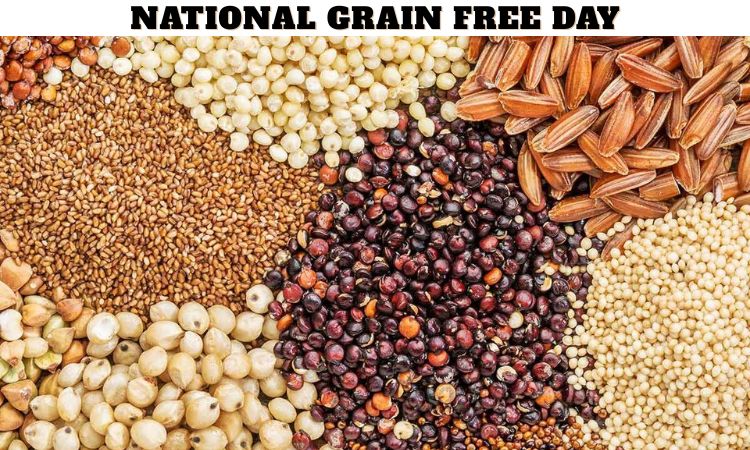
What Is National Grain Free Day – February 21?
National Grain Free Day is observed annually on February 21 to raise awareness about grain-free diets and to celebrate alternative food choices that exclude traditional grains. This day recognizes individuals who follow grain-free lifestyles due to health conditions, dietary preferences, or personal wellness goals. It also encourages open discussions about nutrition, food sensitivities, and mindful eating habits.
Grains such as wheat, rice, corn, barley, and oats have long been staples in diets worldwide. However, some people choose to eliminate them for various reasons, including gluten intolerance, digestive concerns, or specific dietary programs. National Grain Free Day provides an opportunity to explore the benefits, challenges, and science behind going grain-free.
Why Do People Choose a Grain-Free Diet?
People adopt grain-free diets for several reasons, ranging from medical necessity to lifestyle choices. One of the most common reasons is gluten intolerance or celiac disease. Individuals diagnosed with celiac disease must avoid gluten, a protein found in wheat, barley, and rye, because it triggers an immune response that damages the small intestine.
Others may experience non-celiac gluten sensitivity, where consuming gluten leads to digestive discomfort or fatigue. Additionally, some individuals believe that removing grains helps reduce inflammation, improve digestion, or support weight management.
Certain popular dietary approaches also promote grain-free eating. For example, the Paleo diet encourages consumption of foods believed to resemble those eaten by early humans, excluding grains and processed foods. Similarly, the Ketogenic diet limits carbohydrate intake, which often results in reduced or eliminated grain consumption.
What Is the Difference Between Grain-Free and Gluten-Free?
Although the terms are often used interchangeably, grain-free and gluten-free are not the same.
A gluten-free diet eliminates foods containing gluten, such as wheat, barley, and rye. However, it may still include other grains like rice, corn, quinoa, and oats (if certified gluten-free).
A grain-free diet removes all grains, including both gluten-containing and gluten-free varieties. This means no wheat, rice, corn, barley, oats, or millet. Instead, grain-free diets rely on alternatives such as vegetables, fruits, nuts, seeds, legumes, and certain root vegetables.
Understanding this distinction is important for those considering dietary changes. National Grain Free Day helps clarify these differences and encourages informed food choices.
What Foods Are Avoided on a Grain-Free Diet?
On a grain-free diet, individuals typically avoid:
Wheat and wheat-based products (bread, pasta, crackers)
Rice
Corn and corn-based products
Barley
Oats
Rye
Millet
Sorghum
Processed foods containing grain derivatives are also excluded. This requires careful label reading and meal planning to ensure compliance.
What Foods Are Included in a Grain-Free Lifestyle?
Despite restrictions, grain-free diets can be diverse and nutritious. Common foods include:
Fresh fruits and vegetables
Lean meats and poultry
Fish and seafood
Eggs
Nuts and seeds
Legumes (depending on personal preference)
Healthy fats like olive oil and avocado oil
Root vegetables such as sweet potatoes and cassava
Grain-free alternatives have become increasingly popular. Almond flour and coconut flour are often used to prepare baked goods. Cauliflower rice and zucchini noodles serve as substitutes for traditional grain-based dishes.
National Grain Free Day encourages creativity in cooking and highlights the variety available beyond grains.
Is a Grain-Free Diet Healthy?
The health benefits of a grain-free diet depend on individual needs and how the diet is structured. For people with celiac disease or gluten sensitivity, eliminating certain grains is medically necessary and beneficial.
However, whole grains are rich in fiber, vitamins, minerals, and antioxidants. Removing them without proper nutritional planning may lead to deficiencies in fiber, B vitamins, and certain minerals.
Balanced grain-free diets focus on nutrient-dense alternatives. Vegetables, fruits, nuts, and legumes can provide fiber and essential nutrients. Consulting a healthcare professional before making major dietary changes is always recommended.
National Grain Free Day promotes awareness rather than a one-size-fits-all approach to nutrition.
How Did Grain-Free Diets Become Popular?
Grain-free diets gained popularity in the early 21st century as interest in ancestral and low-carbohydrate eating patterns increased. The Paleo diet played a major role in bringing grain-free concepts into mainstream discussions.
At the same time, rising awareness of gluten-related disorders led more people to experiment with eliminating grains. Social media, wellness influencers, and health publications further contributed to the movement’s growth.
Food companies responded by developing grain-free products, including snacks, cereals, and baking mixes. As a result, grain-free options are now widely available in supermarkets and specialty stores.
What Are the Potential Benefits of Going Grain-Free?
Some individuals report experiencing:
Improved digestion
Reduced bloating
Increased energy levels
Better blood sugar control
Weight management support
Low-carbohydrate approaches like the Ketogenic diet often limit grains to stabilize blood sugar levels and promote fat metabolism.
However, scientific evidence varies, and results differ from person to person. National Grain Free Day encourages thoughtful evaluation of personal health goals rather than following trends blindly.
Are There Any Risks Associated with Grain-Free Diets?
Yes, there can be risks if the diet is not well-balanced. Whole grains are important sources of dietary fiber, which supports digestive health and heart health. Removing grains without replacing fiber sources may lead to digestive issues.
Additionally, some grain-free packaged foods may contain higher amounts of fats and sugars to enhance taste. It is important to focus on whole, minimally processed foods rather than relying heavily on specialty products.
As with any dietary change, balance and moderation are key.
How Is National Grain Free Day Celebrated?
National Grain Free Day is celebrated through educational campaigns, cooking demonstrations, recipe sharing, and online discussions. Health communities and food bloggers often share grain-free recipes and meal ideas.
Some people use the day as an opportunity to try a grain-free meal or explore alternative flours and cooking techniques. Others participate by learning more about food sensitivities and nutrition science.
Restaurants and food brands may promote grain-free menu items or special offers to mark the occasion.
Who Should Consider a Grain-Free Diet?
A grain-free diet may be suitable for:
Individuals with celiac disease
People with gluten sensitivity
Those following specific medical advice
Individuals pursuing certain dietary approaches
However, it may not be necessary or beneficial for everyone. Whole grains are part of many balanced dietary guidelines worldwide. Decisions should be personalized and ideally guided by medical professionals.
National Grain Free Day emphasizes informed choices rather than universal recommendations.
How Can You Try Grain-Free Eating Safely?
If you are interested in experimenting with grain-free meals, consider the following steps:
Start gradually by replacing one grain-based meal per day.
Increase intake of vegetables and fiber-rich foods.
Read labels carefully to avoid hidden grains.
Stay hydrated and monitor how your body responds.
Consult a healthcare provider if you have medical conditions.
Meal planning and preparation are essential to maintain balanced nutrition.
What Does National Grain Free Day Teach About Food Awareness?
Beyond promoting a specific diet, National Grain Free Day encourages mindfulness about food choices. It highlights the importance of understanding what we eat, why we eat it, and how it affects our bodies.
The day also fosters respect for diverse dietary needs. Not everyone can or should consume the same foods. Celebrating different nutritional approaches promotes inclusivity and health awareness.
How Does National Grain Free Day Fit into Modern Wellness Trends?
Modern wellness emphasizes personalization. From plant-based diets to low-carb plans, people are increasingly tailoring nutrition to suit individual needs.
National Grain Free Day aligns with this trend by recognizing alternative dietary paths. It also sparks discussions about food science, digestive health, and the role of grains in traditional diets.
The observance encourages thoughtful consideration rather than extreme dietary restrictions.
Why Is National Grain Free Day Relevant Today?
With rising rates of food sensitivities and growing interest in specialized diets, National Grain Free Day is more relevant than ever. It provides a platform to discuss evidence-based nutrition and to explore safe, balanced alternatives.
In an era where dietary information is widely available—yet sometimes confusing—this day promotes education and awareness. It reminds individuals to evaluate health trends carefully and prioritize long-term well-being.
Conclusion: Should Everyone Go Grain-Free?
National Grain Free Day on February 21 celebrates awareness, choice, and nutritional diversity. While grain-free diets can be beneficial for certain individuals, they are not necessary for everyone.