

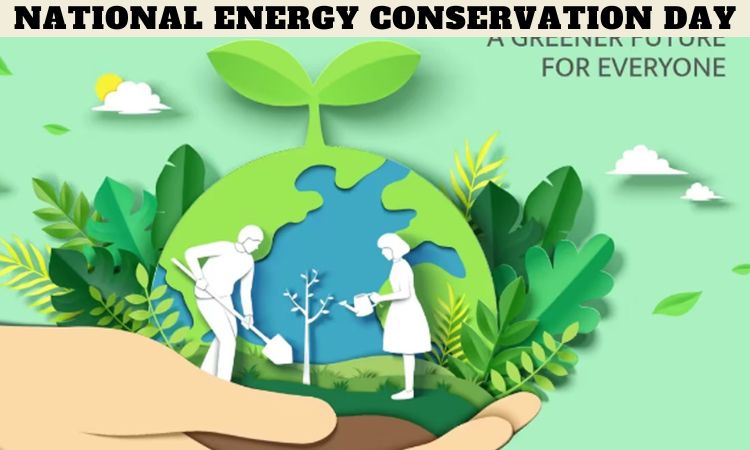
National Energy Conservation Day is observed every year on December 14 to highlight the urgent need for efficient energy use, sustainable development, and responsible consumption. On this significant day, we collectively reaffirm our commitment to conserving energy resources, reducing carbon emissions, and shaping a future that balances economic growth with environmental responsibility. As energy demand continues to rise globally, National Energy Conservation Day, December 14 serves as a reminder that conservation is no longer optional—it is essential.
The Importance of National Energy Conservation Day
National Energy Conservation Day stands as a powerful platform to promote awareness about the limited nature of conventional energy resources and the long-term impact of energy misuse. We recognize that energy conservation directly influences climate stability, economic resilience, and national security. By adopting energy-efficient practices, we reduce dependency on fossil fuels, minimize environmental degradation, and strengthen energy sustainability for future generations.
This day emphasizes the role of governments, industries, institutions, and individuals in driving meaningful change. We acknowledge that every unit of energy saved is equivalent to generating new energy, without additional environmental cost.
Why December 14 Matters for Energy Conservation?
Observing National Energy Conservation Day on December 14 underscores the strategic importance of embedding conservation principles into daily life and policy frameworks. December, being a high-energy-consumption period due to seasonal demands, highlights the need for mindful usage. We use this occasion to evaluate consumption patterns, measure efficiency outcomes, and reinforce conservation commitments across sectors.
Energy saved today ensures energy availability tomorrow. This principle defines the true spirit of National Energy Conservation Day.
Energy Conservation and Sustainable Development
Energy conservation is a cornerstone of sustainable development. We align conservation efforts with economic growth by prioritizing efficiency over excess. Reducing energy waste lowers operational costs, increases productivity, and enhances competitiveness for businesses and industries.
From smart grids and LED lighting to energy-efficient appliances and green buildings, we integrate technology with conservation strategies to maximize impact. Sustainable development is not compromised by conservation; it is strengthened by it.
Role of Renewable Energy in Conservation Efforts
While conservation focuses on reducing consumption, renewable energy focuses on cleaner generation. On National Energy Conservation Day, we emphasize the synergy between conservation and renewables. Solar, wind, hydro, and biomass energy reduce pressure on non-renewable resources and complement efficiency measures.
We advocate for a balanced energy mix, where renewable adoption goes hand in hand with reduced wastage. Conservation ensures that renewable energy systems operate optimally and sustainably.
Industrial and Commercial Energy Efficiency
Industries consume a significant share of total energy. National Energy Conservation Day highlights the responsibility of the industrial and commercial sectors to adopt best practices. Energy audits, process optimization, waste heat recovery, and automation are critical tools.
We promote energy management systems, real-time monitoring, and performance benchmarking to identify inefficiencies. Conservation in industries not only lowers emissions but also improves profitability and regulatory compliance.
Energy Conservation in Households
Households play a vital role in achieving conservation goals. On National Energy Conservation Day, we encourage simple yet impactful actions:
Switching to energy-efficient appliances
Using LED lighting
Optimizing heating and cooling systems
Unplugging idle devices
Maximizing natural light and ventilation
These practices collectively lead to substantial energy savings. We believe that informed households form the backbone of national conservation efforts.
Transportation and Energy Conservation
Transportation remains one of the largest energy-consuming sectors. On National Energy Conservation Day, we stress the importance of fuel efficiency and alternative mobility solutions. Public transportation, carpooling, electric vehicles, and non-motorized transport significantly reduce energy demand.
We support fuel-efficient technologies and sustainable transport policies that align mobility needs with conservation objectives.
Educational Institutions and Awareness Building
Education drives long-term change. Schools, colleges, and universities serve as catalysts for conservation awareness. On National Energy Conservation Day, we engage students through campaigns, workshops, competitions, and projects focused on efficiency and sustainability.
We invest in energy literacy, ensuring that future generations understand the value of conservation and actively contribute to a sustainable energy ecosystem.
Government Policies and National Initiatives
Policy frameworks play a decisive role in advancing conservation goals. On National Energy Conservation Day, we review and reinforce regulations that promote efficiency standards, labeling programs, and incentives for energy-saving technologies.
Governments worldwide implement minimum energy performance standards, building codes, and financial incentives to accelerate adoption. Conservation-driven policies ensure long-term energy security and environmental protection.
Corporate Responsibility and Energy Stewardship
Corporate entities hold significant influence over energy consumption patterns. National Energy Conservation Day reinforces the importance of corporate accountability. We prioritize energy-efficient infrastructure, sustainable supply chains, and transparent reporting.
Organizations that invest in conservation demonstrate leadership, resilience, and commitment to environmental stewardship. Energy efficiency becomes a competitive advantage, enhancing brand reputation and stakeholder trust.
Climate Change Mitigation Through Energy Conservation
Energy conservation is one of the most effective tools for climate change mitigation. Reduced energy consumption directly translates to lower greenhouse gas emissions. On National Energy Conservation Day, we reaffirm our role in limiting global temperature rise through responsible energy use.
Conservation complements climate action plans by delivering immediate, measurable results without technological complexity. We view energy conservation as a frontline defense against climate instability.
Digital Transformation and Smart Energy Use
Digital technologies are transforming energy management. Smart meters, IoT-enabled devices, and AI-driven analytics empower users to track and optimize consumption. On National Energy Conservation Day, we highlight the importance of digital solutions in achieving precision conservation.
Data-driven insights enable predictive maintenance, load balancing, and demand response, ensuring energy is used only where and when it is needed.
Community Participation and Collective Impact
Energy conservation succeeds through collective action. Communities that embrace shared responsibility achieve greater impact. On National Energy Conservation Day, we promote community-led initiatives such as shared solar projects, awareness drives, and local efficiency programs.
We recognize that conservation is amplified when individuals act together, creating a culture of sustainability.
The Long-Term Vision of National Energy Conservation Day
The vision of National Energy Conservation Day extends beyond a single date. It represents a continuous journey toward efficiency, resilience, and sustainability. We integrate conservation into daily decisions, corporate strategies, and national planning.
Energy conserved today safeguards economic stability, environmental health, and quality of life for future generations. We commit to making conservation a permanent priority, not a seasonal observance.
Conclusion: Advancing a Sustainable Energy Future
National Energy Conservation Day stands as a powerful reminder that responsible energy use is fundamental to progress. Through awareness, innovation, policy support, and individual action, we build an energy-efficient future that benefits everyone.