

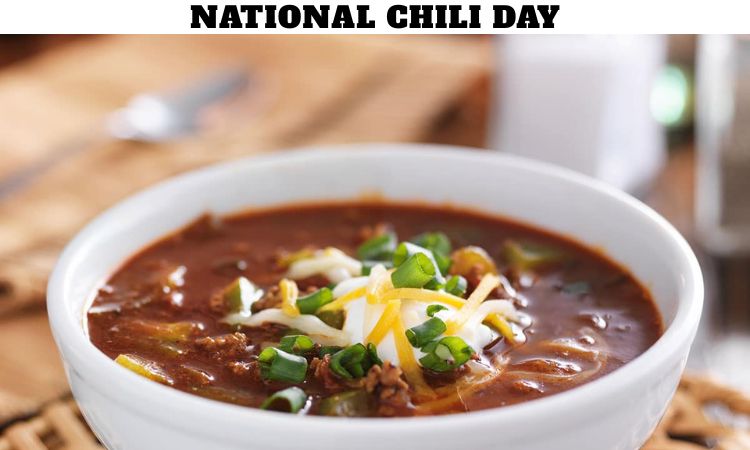
What Is National Chili Day, and Why Is It Celebrated on February 27?
National Chili Day, celebrated every year on February 27, is a flavorful tribute to one of the most beloved and comforting dishes in American cuisine—chili. As winter lingers and chilly evenings call for something warm and hearty, this day provides the perfect excuse to indulge in a steaming bowl of rich, slow-cooked goodness.
We celebrate National Chili Day not only to enjoy the dish but also to honor the cultural heritage, culinary diversity, and community spirit that chili represents. From traditional Texas-style recipes to vegetarian and vegan interpretations, chili has evolved into a dish that unites families, food enthusiasts, and communities across the country.
How Did National Chili Day Originate?
The exact origins of National Chili Day remain somewhat unofficial, but its roots are deeply tied to the history of chili in the United States. Chili, particularly chili con carne, gained widespread popularity in the 19th century in the American Southwest, especially in San Antonio. The city became famous for its “Chili Queens,” women who served bowls of chili in public plazas, turning the dish into a regional staple.
Over time, chili transcended regional boundaries and became a national favorite. Food enthusiasts and culinary organizations embraced the idea of dedicating a day to celebrate this iconic dish. Thus, National Chili Day was born—an annual reminder to gather, cook, and savor the flavors of this timeless comfort food.
What Makes Chili Such a Beloved American Dish?
Chili’s enduring popularity lies in its simplicity, versatility, and bold flavors. At its core, chili combines a few basic ingredients—meat or beans, tomatoes, chili peppers, onions, and spices—into a deeply satisfying dish. Yet the possibilities are endless.
We find that chili appeals to diverse palates because it can be:
Spicy or mild
Meaty or vegetarian
Thick and hearty or slightly soupy
Slow-cooked or pressure-cooked
Its adaptability allows home cooks and professional chefs alike to experiment with flavors, textures, and ingredients. From classic beef chili to turkey, chicken, white bean, or plant-based versions, chili remains an ever-evolving culinary masterpiece.
What Are the Different Types of Chili Celebrated on National Chili Day?
Is Texas-Style Chili the Original Classic?
Often considered the purist’s choice, Texas-style chili traditionally excludes beans and focuses on slow-cooked beef and a robust blend of chili peppers and spices. This style is closely associated with Texas, where chili is regarded as an official state dish.
How Does Cincinnati Chili Stand Apart?
In Cincinnati, chili takes on a unique character. Influenced by Mediterranean spices, Cincinnati chili is typically served over spaghetti and topped with shredded cheese, onions, and beans. This regional favorite demonstrates chili’s remarkable ability to adapt to cultural influences.
What About Vegetarian and Vegan Chili?
Modern culinary trends have embraced plant-based diets, and chili has seamlessly followed suit. Vegetarian chili often substitutes beans, lentils, mushrooms, or plant-based proteins for meat, delivering equally bold flavors without compromising texture or richness.
Are White Chili Variations Popular?
White chili, typically made with chicken, white beans, green chilies, and a creamy base, offers a lighter yet equally satisfying alternative. Its subtle heat and smooth texture make it a popular option during National Chili Day celebrations.
Why Is Chili Perfect for Winter Celebrations?
February’s cool temperatures make chili an ideal dish for warmth and comfort. The combination of spices—such as cumin, paprika, garlic, and chili powder—creates a rich aroma that fills the home with inviting warmth.
We recognize that chili is not merely a meal; it is a shared experience. Whether served at family dinners, office potlucks, or neighborhood cook-offs, chili fosters connection. Its large-batch preparation makes it ideal for gatherings, reinforcing its role as a communal dish.
How Do Chili Cook-Offs Elevate National Chili Day?
Across the United States, chili cook-offs have become a hallmark of National Chili Day. Competitive events bring together amateur cooks and professional chefs to showcase their best recipes. Judged on flavor, aroma, texture, and presentation, these competitions highlight culinary creativity and regional pride.
Organizations such as the International Chili Society have further popularized chili competitions, elevating them to national and even international events. Participants refine their spice blends and cooking techniques, turning chili-making into a respected culinary art.
What Ingredients Create the Perfect Bowl of Chili?
A remarkable bowl of chili depends on carefully balanced ingredients:
High-quality protein: Beef chuck, ground turkey, or plant-based alternatives.
Aromatic vegetables: Onions, garlic, bell peppers.
Tomatoes: Crushed, diced, or pureed for depth.
Chili peppers: Fresh or dried varieties for authentic heat.
Spice blend: Cumin, coriander, paprika, oregano, and chili powder.
Beans (optional): Kidney, pinto, or black beans for added texture.
Slow simmering allows these components to meld, intensifying flavor and creating the signature thickness that defines a superior chili.
How Can We Celebrate National Chili Day at Home?
Celebrating National Chili Day on February 27 is simple yet deeply satisfying. We can:
Host a chili tasting party with friends and family.
Experiment with a new regional recipe.
Prepare a health-conscious variation using lean proteins.
Pair chili with cornbread, rice, or baked potatoes.
Share homemade chili with neighbors or donate to community events.
By turning the day into an occasion for gathering and generosity, we elevate chili from a dish to a meaningful tradition.
What Are the Health Benefits of Chili?
Chili offers notable nutritional advantages. Lean protein supports muscle health, while beans provide fiber and essential nutrients. Chili peppers contain capsaicin, known for its metabolism-boosting properties and potential cardiovascular benefits.
By adjusting ingredients—reducing sodium, incorporating vegetables, or selecting lean meats—we can craft a bowl of chili that is both indulgent and nourishing.
How Has Chili Influenced American Food Culture?
Chili has transcended its regional origins to become a national culinary icon. It appears on restaurant menus, tailgate spreads, and holiday tables. It has inspired festivals, competitions, and cookbooks dedicated entirely to its preparation.
In popular culture, chili symbolizes warmth, hospitality, and resilience. It reflects the blending of cultures that define American cuisine, incorporating Mexican, Texan, and Midwestern influences into a unified dish enjoyed coast to coast.
What Are the Best Pairings for Chili on National Chili Day?
To enhance the chili experience, thoughtful pairings matter:
Cornbread for sweetness and texture contrast.
Tortilla chips for crunch.
Fresh toppings such as sour cream, shredded cheese, jalapeños, and green onions.
Side salads to balance richness.
Craft beer or iced tea for a refreshing contrast.
These accompaniments elevate a simple bowl into a complete, satisfying meal.
How Can Businesses Leverage National Chili Day?
Restaurants, food bloggers, and brands can capitalize on National Chili Day by offering limited-time specials, hosting chili cook-offs, and engaging audiences through social media campaigns. Featuring signature chili recipes and behind-the-scenes cooking demonstrations builds customer engagement and brand loyalty.
Food retailers can promote chili ingredients, spice blends, and ready-to-cook kits, while content creators can share innovative twists on classic recipes to attract culinary enthusiasts.
What Does the Future Hold for National Chili Day?
As culinary trends evolve, National Chili Day continues to grow in popularity. Plant-based innovations, global spice influences, and modern cooking technologies such as slow cookers and pressure cookers have expanded chili’s versatility.
We anticipate continued creativity in recipe development, greater participation in community cook-offs, and increased online engagement as food lovers share their chili creations across digital platforms.
Why Should We Mark February 27 on Our Calendars?
National Chili Day is more than a food holiday—it is a celebration of tradition, innovation, and shared culinary passion. It encourages us to gather around the table, savor bold flavors, and embrace the warmth of community.