

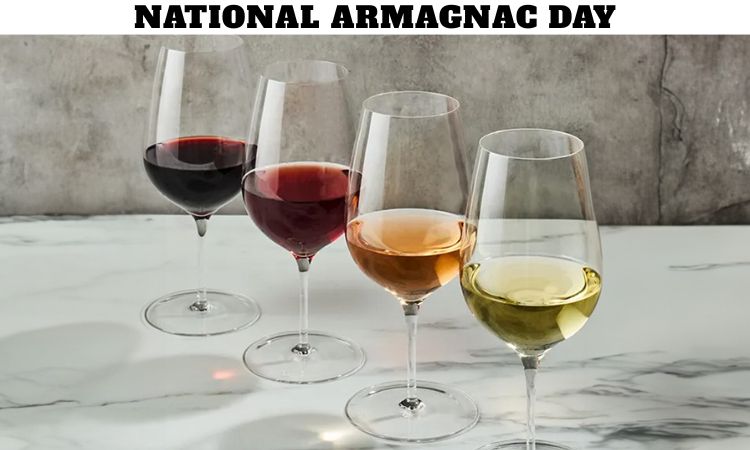
Every year on December 21, spirits enthusiasts, historians, and culinary lovers come together to celebrate National Armagnac Day, a day dedicated to honoring one of France’s most historic and character-rich brandies. Often overshadowed by its more famous cousin Cognac, Armagnac carries a depth of flavor, craftsmanship, and heritage that deserves its own spotlight. National Armagnac Day is the perfect occasion to explore the origins, production methods, tasting notes, and cultural significance of this remarkable spirit.
As winter begins and festive cheer fills the air, December 21 offers an ideal moment to warm up with a glass of Armagnac while appreciating centuries of tradition distilled into every sip.
What Is Armagnac?
Armagnac is a French brandy produced in the Gascony region of southwestern France. It is widely recognized as the oldest distilled spirit in France, with documented production dating back to the early 14th century. Unlike many modern spirits designed for consistency, Armagnac is celebrated for its individuality—each bottle reflects the grape variety, soil, climate, and distiller’s philosophy.
The spirit is named after the historic Armagnac area, which today falls within the modern French department of Gers and surrounding regions. Armagnac is protected by Appellation d’Origine Contrôlée (AOC) laws, ensuring strict standards of quality and authenticity.
At its core, National Armagnac Day is about honoring this unique identity—an artisanal brandy shaped by time, tradition, and terroir.
The History Behind National Armagnac Day
While the exact origins of National Armagnac Day are not officially documented, the celebration has grown organically among spirits connoisseurs, bartenders, and French culture enthusiasts. December 21, the winter solstice, symbolically aligns with the warmth and depth Armagnac brings during the coldest time of year.
Historically, Armagnac was valued not only as a drink but also as a medicinal elixir. Medieval manuscripts praised it for supposed healing properties, including boosting vitality and longevity. Over time, Armagnac evolved from a medicinal spirit to a refined drink enjoyed by royalty and commoners alike.
National Armagnac Day now serves as a modern reminder of this enduring legacy, encouraging people worldwide to discover or rediscover this exceptional brandy.
The Armagnac Region and Its Terroir
Armagnac production is deeply tied to its geography. The region is traditionally divided into three main areas:
1. Bas-Armagnac
Known for producing the most elegant and aromatic Armagnacs, Bas-Armagnac features sandy, iron-rich soils that lend finesse and fruit-forward notes to the spirit.
2. Ténarèze
This central zone produces robust, structured Armagnacs that often require longer aging. These are prized for complexity and depth.
3. Haut-Armagnac
The least productive area today, Haut-Armagnac, offers lighter styles and is less commonly found on the market.
The diversity of soil types, microclimates, and grape varieties ensures that no two Armagnacs are exactly alike—a key reason why National Armagnac Day is so exciting for explorers of fine spirits.
How Armagnac Is Made?
One of the defining features of Armagnac is its traditional production method, which sets it apart from other brandies.
Grape Varieties
Armagnac is typically made from a blend of approved white grapes, including Ugni Blanc, Baco Blanc, Folle Blanche, and Colombard. Each grape contributes different characteristics, from acidity and structure to floral and fruity aromas.
Distillation
Most Armagnac is distilled only once using a continuous still known as an alambic armagnacais. This single distillation preserves more congeners, resulting in a richer, more expressive spirit compared to double-distilled brandies.
Aging
Armagnac is aged in French oak barrels, often from the nearby Monlezun forests. Over time, the spirit develops complex notes of vanilla, spice, dried fruit, caramel, and leather.
On National Armagnac Day, many producers and bars highlight these traditional methods through tastings and educational events.
Flavor Profile: What Does Armagnac Taste Like?
Armagnac is renowned for its bold and layered flavor profile. While tastes vary depending on age and region, common notes include:
Dried fruits such as prunes, figs, and apricots
Warm spices like cinnamon, nutmeg, and clove
Vanilla, toffee, and caramel from oak aging
Earthy, nutty, and sometimes floral undertones
Younger Armagnacs tend to be vibrant and fruity, while older expressions become smoother, deeper, and more contemplative. National Armagnac Day is the ideal time to compare different ages and styles side by side.
Armagnac vs. Cognac: What’s the Difference?
A common topic during National Armagnac Day discussions is how Armagnac differs from Cognac. While both are French brandies, key distinctions set them apart:
Age & History: Armagnac predates Cognac by several centuries.
Distillation: Armagnac is usually single-distilled; Cognac is double-distilled.
Flavor: Armagnac is generally more rustic and robust, while Cognac is often smoother and lighter.
Production Scale: Armagnac production is smaller and more artisanal.
These differences make Armagnac particularly appealing to drinkers seeking authenticity and character.
How to Celebrate National Armagnac Day?
There are many meaningful and enjoyable ways to celebrate National Armagnac Day on December 21:
1. Enjoy a Neat Pour
Savoring Armagnac neat at room temperature allows its aromas and flavors to fully express themselves.
2. Host a Tasting Night
Invite friends to sample Armagnacs of different ages or regions. This is a fantastic way to appreciate its diversity.
3. Pair with Food
Armagnac pairs beautifully with dark chocolate, aged cheeses, roasted nuts, and rich desserts like crème brûlée.
4. Explore Armagnac Cocktails
While traditionally enjoyed neat, Armagnac can also shine in classic cocktails, offering depth and complexity.
5. Learn the History
Read about the producers, regions, and aging techniques to deepen your appreciation on National Armagnac Day.
Armagnac in Modern Culture
In recent years, Armagnac has experienced a revival among bartenders and spirits collectors. Craft cocktail bars are rediscovering their versatility, while collectors value vintage-dated bottles that reflect a single harvest year—something rarely seen in other brandies.
This renewed interest has helped introduce Armagnac to younger audiences, ensuring that traditions celebrated on National Armagnac Day continue well into the future.
Why National Armagnac Day Matters?
National Armagnac Day is more than just a celebration of alcohol—it’s a tribute to craftsmanship, patience, and regional identity. In an era dominated by mass production, Armagnac stands as a reminder that some of the finest things in life are shaped slowly, guided by tradition rather than trends.
By celebrating National Armagnac Day, enthusiasts help preserve a cultural heritage that has endured for over 700 years. Each glass tells a story of land, time, and human skill.
Fun Facts About Armagnac
Armagnac is often sold as a vintage spirit, labeled with a specific year.
Napoleon Bonaparte was known to favor Armagnac.
Some Armagnacs age for several decades, developing extraordinary depth.
The spirit was once believed to have medicinal properties in medieval Europe.
Sharing these facts on National Armagnac Day makes the celebration even more engaging.
Final Thoughts on National Armagnac Day
As December 21 arrives, National Armagnac Day offers the perfect excuse to slow down, reflect, and indulge in a spirit rich with history and character. Whether you’re a seasoned connoisseur or a curious newcomer, Armagnac invites exploration and appreciation.