

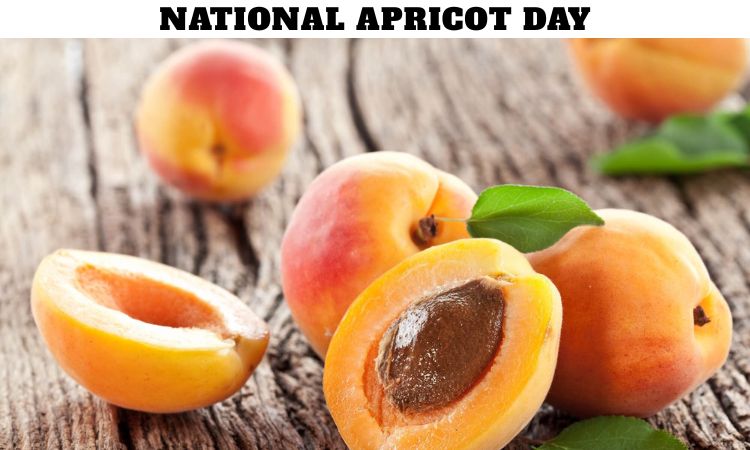
We celebrate National Apricot Day on January 9 to honor one of the world’s most cherished and nutritionally powerful fruits. Known for its golden-orange hue, delicate sweetness, and impressive health benefits, the apricot holds a special place in culinary traditions, ancient medicine, and modern nutrition. This day is dedicated to appreciating apricots in all their forms—fresh, dried, cooked, preserved, and infused into recipes across cultures.
National Apricot Day is more than a food celebration; it is a recognition of a fruit that has nourished civilizations for thousands of years. From ancient trade routes to contemporary kitchens, apricots continue to symbolize wellness, longevity, and natural abundance.
The Historical Significance of Apricots
Apricots have a rich and fascinating history that spans continents and centuries. Originating in Central Asia and China, apricots were cultivated as early as 3000 BCE. They traveled westward along the Silk Road, gaining popularity in Persia, Armenia, Greece, and Rome.
Armenia is often referred to as the “Land of Apricots,” where the fruit became a national symbol representing fertility and cultural identity. The scientific name Prunus armeniaca reflects this historical association. Over time, apricots reached Europe and later the Americas, where they flourished in Mediterranean climates and became integral to regional agriculture.
Why January 9 Matters?
January 9 was chosen for National Apricot Day to highlight the fruit during the winter season, when dried apricots and preserved forms dominate kitchens worldwide. This timing emphasizes the apricot’s versatility and its ability to provide essential nutrients even when fresh fruit is scarce.
Celebrating apricots in January encourages mindful eating, seasonal awareness, and appreciation for preserved natural foods that sustain health throughout the year.
Nutritional Powerhouse: Health Benefits of Apricots
Apricots are celebrated not only for their taste but also for their exceptional nutritional profile. Whether consumed fresh or dried, apricots offer a wide range of health benefits.
Rich in Essential Vitamins
Apricots are an excellent source of Vitamin A, vital for eye health, immune function, and skin regeneration. They also contain Vitamin C, which supports immunity and collagen production, and Vitamin E, a powerful antioxidant.
High in Dietary Fiber
Dietary fiber in apricots aids digestion, supports gut health, and helps regulate blood sugar levels. This makes apricots an ideal fruit for heart health and weight management.
Loaded with Antioxidants
Apricots are rich in antioxidants such as beta-carotene, lutein, and zeaxanthin, which help combat oxidative stress, reduce inflammation, and protect against chronic diseases.
Supports Heart and Bone Health
Potassium and magnesium in apricots help maintain healthy blood pressure and cardiovascular function. The presence of calcium and phosphorus contributes to strong bones and teeth.
Fresh vs. Dried Apricots: A Nutritional Comparison
Both fresh and dried apricots offer unique benefits, making them valuable dietary additions.
Fresh Apricots: Lower in calories, higher in water content, ideal for hydration and light snacking.
Dried Apricots: Concentrated source of fiber, iron, and energy, perfect for endurance and digestive health.
Dried apricots are particularly beneficial during the winter months, aligning perfectly with National Apricot Day in January.
Culinary Uses of Apricots Around the World
Apricots are among the most versatile fruits in global cuisine, seamlessly blending into sweet and savory dishes.
Sweet Delicacies
Apricots shine in desserts such as:
Apricot tarts and pastries
Jams, preserves, and marmalades
Cakes, pies, and compotes
Dried apricot snacks and energy bars
Savory Creations
In savory cooking, apricots are used in:
Middle Eastern stews and tagines
Mediterranean salads and grain bowls
Glazes for roasted meats
Chutneys and sauces
Their subtle sweetness enhances flavors without overpowering dishes.
Apricots in Traditional Medicine
For centuries, apricots have been valued in Ayurvedic, Chinese, and Persian medicine. They were traditionally used to support digestion, improve skin health, and boost energy levels.
Apricot kernels, though used cautiously, have historically been associated with respiratory health. Modern science emphasizes consuming the fruit itself for safe and effective benefits.
Apricot Farming and Sustainability
Apricot cultivation plays a significant role in sustainable agriculture. Apricot trees require moderate water, thrive in well-drained soil, and contribute to biodiversity by supporting pollinators.
Major apricot-producing regions include:
Turkey
Iran
Uzbekistan
Italy
United States (California)
Supporting apricot farming helps promote eco-friendly fruit production and rural livelihoods.
Creative Ways to Celebrate National Apricot Day
We can celebrate National Apricot Day in meaningful and enjoyable ways:
Prepare a dish featuring fresh or dried apricots
Share apricot-based recipes with friends and family
Learn about apricot history and cultural significance
Support local farmers and organic apricot products
Incorporate apricots into a healthy meal plan
Celebration through mindful consumption deepens appreciation for this remarkable fruit.
Apricots and Modern Wellness Trends
Apricots have found renewed popularity in modern wellness and clean-eating movements. They are commonly included in:
Detox diets
Plant-based meal plans
Natural skincare products
Sports nutrition snacks
Their natural sweetness makes them an excellent alternative to refined sugars, aligning with health-conscious lifestyles.
Fun Facts About Apricots
Apricots are members of the rose family
One cup of sliced apricots contains fewer than 80 calories
Apricot blossoms symbolize hope and renewal
Dried apricots were once used as travel food by explorers
These facts further highlight why apricots deserve recognition and celebration.
The Cultural Symbolism of Apricots
Across cultures, apricots symbolize longevity, prosperity, and vitality. In art and literature, apricot blossoms often represent the arrival of spring and new beginnings. This symbolism resonates deeply with the spirit of National Apricot Day, reminding us of nature’s resilience and generosity.
Conclusion: Honoring Apricots on January 9
National Apricot Day on January 9 offers a perfect opportunity to celebrate a fruit that embodies nutrition, tradition, and culinary excellence. Apricots connect ancient heritage with modern wellness, making them timeless and universally loved.