

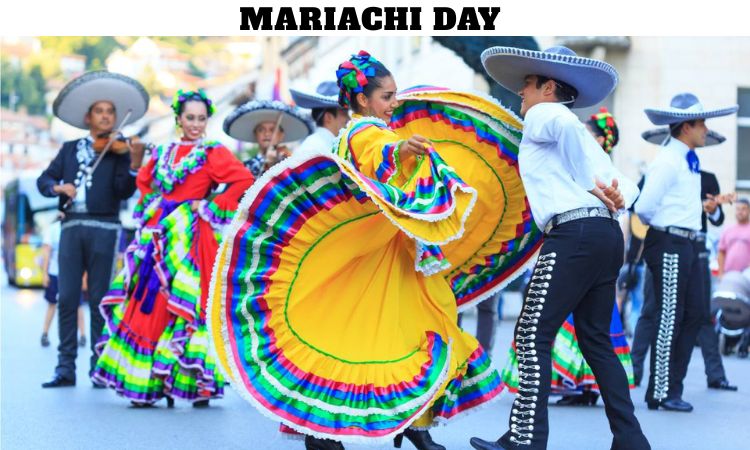
We celebrate Mariachi Day on January 21 as a powerful tribute to one of the most iconic and emotionally resonant musical traditions in the world. Mariachi music is not merely a genre; it is a living cultural legacy that represents history, identity, celebration, and deep-rooted tradition. On this day, we recognize the artistry, dedication, and cultural importance of mariachi musicians who have preserved this musical form for generations while adapting it for modern audiences across the globe.
The Historical Origins of Mariachi Music
The origins of mariachi music can be traced back to the western regions of Mexico, particularly Jalisco, during the 18th and 19th centuries. Initially performed at rural celebrations and community gatherings, mariachi ensembles used string instruments such as the vihuela, guitarrón, and violin. Over time, the addition of trumpets enriched the sound, giving mariachi its bold and instantly recognizable tone.
Mariachi music evolved in tandem with Mexico’s social and political history, becoming a symbol of national pride. By the early 20th century, mariachi had moved from rural villages to urban centers, gaining prominence in festivals, national celebrations, and international performances.
Why is Mariachi Day celebrated on January 21?
January 21 is dedicated as Mariachi Day to honor the global influence of mariachi music and its enduring legacy. This date serves as a moment to acknowledge the musicians, composers, and cultural ambassadors who have ensured mariachi remains relevant across generations. It is a day of recognition, education, and celebration that brings communities together through music.
Cultural Significance of Mariachi Music
Mariachi music occupies a sacred space in Mexican culture. It is performed during weddings, birthdays, religious festivals, national holidays, and even memorial services. Each song conveys emotion—joy, sorrow, pride, romance, and resilience—making mariachi a universal language of expression.
In 2011, UNESCO recognized mariachi music as an Intangible Cultural Heritage of Humanity, underscoring its importance not only to Mexico but to the global cultural landscape.
Traditional Mariachi Attire and Symbolism
One of the most striking elements of mariachi culture is its attire. The charro suit, adorned with intricate embroidery, silver buttons, and wide-brimmed sombreros, reflects Mexico’s historical elegance and craftsmanship. These outfits symbolize respect for tradition, discipline, and national identity.
Each element of mariachi clothing is intentional, reinforcing the dignity and professionalism of the musicians while honoring their cultural roots.
Instruments That Define Mariachi Music
The signature mariachi sound is created through a unique combination of instruments, including:
Violins for melodic expression
Trumpets for bold, triumphant accents
Vihuela for rhythmic harmony
Guitarrón for deep bass resonance
Guitar for structural balance
Together, these instruments create a powerful and emotionally rich musical experience that distinguishes mariachi from all other genres.
Mariachi Music in Modern Times
Today, mariachi music transcends borders. It is performed in schools, universities, international festivals, and global stages. Modern mariachi ensembles blend traditional compositions with contemporary influences while maintaining authenticity. This balance between preservation and innovation ensures that mariachi remains dynamic and relevant.
Mariachi programs in educational institutions have played a significant role in introducing younger generations to the tradition, fostering appreciation and technical excellence.
How is Mariachi Day Celebrated Worldwide?
On Mariachi Day, celebrations take place across Mexico, the United States, and many other countries. Common activities include:
Live mariachi performances
Cultural parades and festivals
Educational workshops and lectures
Community concerts and competitions
Social media tributes honoring mariachi musicians
These events promote cultural awareness and encourage participation from diverse communities.
The Global Influence of Mariachi Music
Mariachi has become a symbol of Mexican identity worldwide. Its influence is evident in international cinema, popular music, and cross-cultural collaborations. Mariachi performances are now common at global events, reinforcing its role as a bridge between cultures.
The adaptability of mariachi music allows it to resonate with audiences regardless of language or background, making it a truly global art form.
Preserving the Legacy of Mariachi
Preservation of mariachi music relies on education, documentation, and community engagement. Cultural institutions, music academies, and festivals play a critical role in maintaining authenticity while encouraging innovation. Supporting mariachi musicians and educational programs ensures the survival of this treasured tradition.
Why Mariachi Day Matters Today?
In a rapidly changing world, Mariachi Day reminds us of the importance of cultural roots, artistic expression, and collective memory. It celebrates resilience, creativity, and unity through music. By honoring mariachi, we honor the voices of generations who have used music to tell their stories.
Conclusion: Celebrating Mariachi Day – January 21
Mariachi Day stands as a powerful celebration of heritage, artistry, and cultural pride. It is a day to listen, learn, and participate in a musical tradition that continues to inspire hearts worldwide. Through recognition and celebration, we ensure that mariachi music remains vibrant, respected, and cherished for generations to come.