

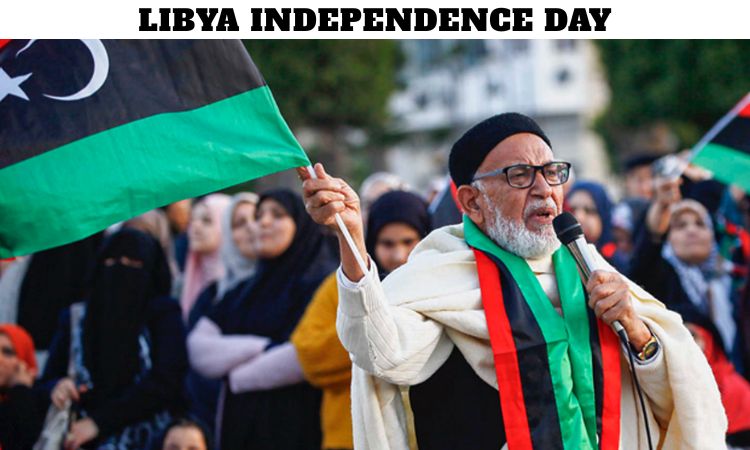
Libya Independence Day, celebrated every year on December 24, stands as one of the most important national milestones in the history of Libya. On this day in 1951, Libya emerged as a sovereign and independent state after decades of foreign domination, colonial rule, and political struggle. We observe Libya Independence Day not merely as a public holiday but as a powerful symbol of unity, resilience, and national identity for the Libyan people.
This historic occasion marks the birth of the United Kingdom of Libya, uniting Tripolitania, Cyrenaica, and Fezzan into a single nation under King Idris I. The journey toward independence was complex and deeply rooted in sacrifice, diplomacy, and the unwavering determination of the Libyan people. Today, Libya’s Independence Day – December 24 continues to inspire pride and reflection across the country and among Libyans worldwide.
Historical Background of Libya Before Independence
To understand the importance of Libya’s Independence Day, we must reflect on Libya’s past. For centuries, Libya was influenced by successive empires, including the Ottoman Empire, which ruled the region until the early 20th century. In 1911, Italy invaded Libya, initiating a brutal period of Italian colonial rule marked by resistance movements and widespread suffering.
Libyan resistance leaders, including Omar Mukhtar, became national heroes for their relentless fight against Italian forces. Despite fierce resistance, Libya remained under Italian control until World War II, when Allied forces defeated Italy in North Africa. After the war, Libya came under temporary British and French administration, setting the stage for international discussions about its future.
The Road to Independence
The path to Libya’s Independence Day was shaped by global diplomacy and Libyan unity. In 1949, the United Nations passed a resolution calling for Libya to become an independent state by January 1, 1952. This decision was historic, as Libya became the first country to gain independence through a UN resolution.
Libyan leaders worked tirelessly to establish a constitutional framework that would unify the country’s diverse regions. On December 24, 1951, independence was officially declared, and King Idris I was proclaimed monarch. This moment laid the foundation for modern Libya and secured its place among sovereign nations.
Why is December 24 celebrated as Libya Independence Day?
Libya Independence Day is observed on December 24 because it marks the official proclamation of independence in 1951. This date symbolizes the end of foreign rule and the beginning of self-governance. It represents a turning point when Libya reclaimed control over its political destiny and national resources.
We recognize Libya Independence Day as a reminder of the sacrifices made by previous generations and the importance of national unity in overcoming adversity. The day resonates deeply with Libyans, reinforcing the values of freedom, sovereignty, and collective responsibility.
National Symbols and Traditions on Libya’s Independence Day
On Libya’s Independence Day, national symbols play a central role in celebrations. The Libyan flag—red, black, and green with a white crescent and star—is proudly displayed across cities, public buildings, and homes. These colors represent sacrifice, resilience, and hope, reflecting the nation’s historical journey.
Cultural events, patriotic speeches, and community gatherings are common during Libya’s Independence Day. Schools and institutions organize programs highlighting Libyan history, while citizens honor national heroes who contributed to the independence movement. Traditional music, poetry, and storytelling further strengthen the connection between past and present.
The Role of Unity in Libya’s Independence
Unity was the cornerstone of Libya’s independence. Despite regional differences, Libyans came together with a shared vision of freedom. The unification of Tripolitania, Cyrenaica, and Fezzan was a remarkable achievement that demonstrated political maturity and national cohesion.
Libya’s Independence Day reminds us that unity remains essential for national progress. The spirit of cooperation that defined the independence era continues to serve as a guiding principle for Libya’s future. By remembering this unity, we reinforce the values necessary for stability and development.
Libya Independence Day in the Modern Era
In the modern context, Libya’s Independence Day holds renewed significance. It serves as a moment of reflection on Libya’s achievements, challenges, and aspirations. While the nation has experienced political and social changes over the decades, the essence of independence remains a source of inspiration.
We observe Libya Independence Day as an opportunity to renew commitments to peace, national dialogue, and reconstruction. The day encourages citizens to look forward while honoring the legacy of independence that defines Libya’s national identity.
Educational Importance of Libya’s Independence Day
Education plays a vital role in preserving the meaning of Libya’s Independence Day. By teaching younger generations about the struggle for independence, we ensure that the sacrifices and achievements of the past are never forgotten. Schools and universities emphasize historical awareness, civic responsibility, and national pride during this period.
Libya Independence Day also encourages academic discussions, research, and cultural documentation, helping to strengthen collective memory and historical understanding.
International Recognition of Libya’s Independence
Libya’s independence in 1951 marked a significant moment in global history. As one of the first African nations to gain independence after World War II, Libya set an example for other countries striving for sovereignty. The peaceful diplomatic process that led to independence demonstrated the role of international cooperation in nation-building.
Today, Libya’s Independence Day is recognized by Libyan communities abroad and acknowledged by international partners, reflecting Libya’s enduring presence on the global stage.
The Enduring Legacy of Libya’s Independence Day
The legacy of Libya’s Independence Day extends beyond a single historical event. It represents the enduring values of freedom, dignity, and national self-determination. Each year, this day renews a collective commitment to uphold these principles in governance, society, and culture.
We honor Libya Independence Day as a living symbol of hope—one that connects generations and reinforces the belief that unity and perseverance can overcome even the greatest challenges.
Conclusion: Honoring Libya Independence Day – December 24
Libya’s Independence Day remains a cornerstone of national identity and historical pride. Celebrated on December 24, it commemorates the birth of a sovereign nation and the triumph of unity over division. By remembering this pivotal moment, we strengthen our understanding of Libya’s past and reaffirm our dedication to its future.