

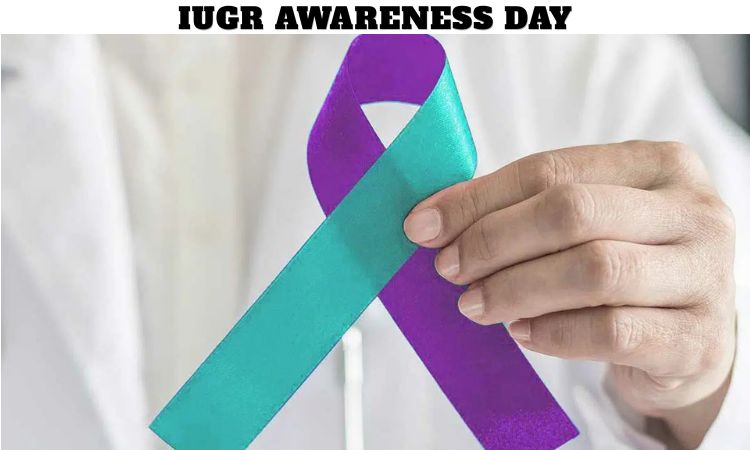
What Is IUGR Awareness Day – March 13 and Why Does It Matter for Mothers and Babies?
Every year on March 13, the world observes IUGR Awareness Day to raise awareness about a serious pregnancy condition known as Intrauterine Growth Restriction. This day highlights the challenges faced by babies who do not grow properly in the womb and encourages early detection, medical support, and education for expecting parents.
Although pregnancy is usually associated with healthy development and joyful anticipation, some babies experience complications that affect their growth. IUGR Awareness Day focuses on informing parents, healthcare professionals, and communities about the risks, symptoms, and preventive measures related to this condition.
The day also honors families who have experienced pregnancy complications and promotes research to improve maternal and fetal health outcomes.
What Is Intrauterine Growth Restriction (IUGR)?
Intrauterine Growth Restriction, often abbreviated as IUGR, is a condition in which a baby grows more slowly than expected while in the womb. In medical terms, it means the fetus is smaller than the normal size for its gestational age.
Doctors usually diagnose IUGR when a baby’s estimated weight is below the 10th percentile compared to other babies at the same stage of pregnancy.
This condition may occur because the baby is not receiving enough oxygen or nutrients from the placenta. When the placenta does not function properly, it can limit the baby’s growth and development.
Babies with IUGR may face several challenges, including:
Low birth weight
Difficulty regulating body temperature
Low blood sugar levels
Increased risk of health complications after birth
In severe cases, IUGR can lead to premature birth or even stillbirth, which is why awareness and early medical care are extremely important.
Why Is IUGR Awareness Day Observed on March 13?
IUGR Awareness Day was established to increase global awareness about fetal growth disorders and their impact on pregnancy.
Many people are unaware of this condition until they or someone they know experiences it. By dedicating a day to education and awareness, healthcare organizations aim to:
Spread knowledge about fetal growth disorders
Encourage regular prenatal checkups
Support families dealing with complicated pregnancies
Promote research and better medical treatments
Awareness campaigns on this day also emphasize the importance of prenatal monitoring, which can help detect problems early and improve outcomes for both mother and baby.
What Are the Main Causes of IUGR?
Several factors can contribute to Intrauterine Growth Restriction. In some cases, the cause may not be completely clear, but doctors have identified many common risk factors.
1. Placental Problems
The placenta plays a crucial role in delivering oxygen and nutrients to the baby. If the placenta is damaged or does not function properly, it may restrict the baby’s growth.
2. Maternal Health Conditions
Certain health issues in the mother can increase the risk of IUGR, including:
High blood pressure
Diabetes
Kidney disease
Heart disease
Autoimmune disorders
3. Lifestyle Factors
Lifestyle choices during pregnancy can also influence fetal development.
Examples include:
Smoking
Alcohol consumption
Drug use
Poor nutrition
These factors can reduce oxygen and nutrient supply to the fetus.
4. Infections During Pregnancy
Certain infections can affect fetal growth, such as:
Rubella
Cytomegalovirus
Toxoplasmosis
These infections can interfere with the baby’s development and lead to growth restriction.
5. Genetic or Chromosomal Conditions
Sometimes IUGR occurs due to genetic abnormalities or chromosomal disorders that affect the baby’s development.
What Are the Symptoms or Signs of IUGR?
One challenge with Intrauterine Growth Restriction is that mothers often do not notice clear symptoms. Many cases are detected during routine prenatal visits.
Doctors usually identify the condition through medical tests such as:
Measuring Fundal Height
This test measures the size of the uterus from the pubic bone to the top of the uterus. If the measurement is smaller than expected, it may indicate slower fetal growth.
Ultrasound Scans
Ultrasound imaging helps doctors estimate the baby’s weight and monitor growth patterns.
Doppler Studies
These tests examine blood flow in the placenta and umbilical cord to ensure the baby is receiving enough oxygen and nutrients.
Fetal Heart Monitoring
Doctors may monitor the baby’s heartbeat to check for signs of stress or complications.
Why Is Early Detection of IUGR So Important?
Early detection of Intrauterine Growth Restriction can significantly improve outcomes for both mother and baby.
When doctors diagnose the condition early, they can take steps to monitor the pregnancy closely and reduce potential risks.
These steps may include:
Frequent ultrasounds to track growth
Monitoring the baby’s heart rate
Advising lifestyle changes for the mother
Scheduling early delivery if necessary
In some cases, doctors may recommend bed rest, improved nutrition, or specialized medical care to help the baby grow better.
If the baby’s condition becomes severe, doctors may decide to deliver the baby early to prevent further complications.
What Complications Can IUGR Cause?
Babies affected by Intrauterine Growth Restriction may face several short-term and long-term health challenges.
Short-Term Complications
Immediately after birth, babies with IUGR may experience:
Breathing difficulties
Low body temperature
Feeding problems
Low blood sugar levels
Weakened immune system
These babies often require specialized care in a neonatal intensive care unit (NICU).
Long-Term Health Risks
Studies suggest that individuals born with IUGR may have a higher risk of developing health conditions later in life, such as:
Heart disease
High blood pressure
Type 2 diabetes
Developmental delays
However, many babies with IUGR grow up healthy with proper medical care and support.
How Can Pregnant Women Reduce the Risk of IUGR?
While not all cases of Intrauterine Growth Restriction can be prevented, certain steps can help reduce the risk.
Maintain Regular Prenatal Care
Regular checkups allow doctors to monitor the baby’s growth and detect potential problems early.
Follow a Healthy Diet
Proper nutrition during pregnancy ensures that the baby receives essential vitamins and nutrients for growth.
Avoid Harmful Substances
Pregnant women should avoid:
Smoking
Alcohol
Illegal drugs
These substances can restrict oxygen supply to the fetus.
Manage Existing Health Conditions
If a mother has chronic health conditions such as high blood pressure or diabetes, proper medical management is essential.
Reduce Stress and Get Adequate Rest
Maintaining emotional and physical well-being during pregnancy can support healthy fetal development.
How Is IUGR Awareness Day Observed Around the World?
On IUGR Awareness Day, healthcare organizations, hospitals, and advocacy groups organize various events to educate the public.
Common activities include:
Online awareness campaigns
Educational webinars for expecting parents
Social media awareness drives
Sharing real-life stories of families affected by IUGR
Fundraising for medical research
Doctors and maternal health experts also use this day to encourage pregnant women to attend regular prenatal appointments.
The goal is to ensure that more families understand the risks and signs of fetal growth restriction.
How Can People Support IUGR Awareness Day?
Everyone can play a role in spreading awareness about Intrauterine Growth Restriction.
Here are some ways individuals can contribute:
Share educational information on social media.
Support organizations working in maternal and child health.
Encourage pregnant women to seek regular prenatal care.
Participate in awareness campaigns or community events.
Spread knowledge about fetal health and pregnancy complications.
By increasing awareness, communities can help ensure that more pregnancies are monitored carefully and more babies are born healthy.
What Is the Future of Research and Treatment for IUGR?
Medical research continues to explore new ways to prevent and manage Intrauterine Growth Restriction.
Scientists and doctors are studying:
Advanced prenatal screening techniques
Improved placental health treatments
Better nutritional interventions during pregnancy
Early diagnostic tools for fetal growth problems
With advancements in maternal-fetal medicine, healthcare providers are becoming better equipped to identify and manage high-risk pregnancies.
These developments give hope to families and healthcare professionals working to ensure healthier pregnancies and stronger babies.
Why Should Everyone Learn About IUGR Awareness Day?
IUGR Awareness Day reminds us that pregnancy health is not only a personal matter but also a public health priority.
Millions of babies worldwide are affected by fetal growth complications each year. By spreading knowledge about Intrauterine Growth Restriction, communities can help ensure that mothers receive proper medical care and babies have the best chance at a healthy start in life.
Awareness leads to early detection, better treatment, and improved outcomes for mothers and newborns.